


The Pentagon confirmed Wednesday the deployment of elements of the 82nd Airborne Division headquarters, division enablers, and the 1st Brigade Combat Team to the U.S. Central Command area of responsibility, marking the first formal acknowledgment of ground combat forces entering the Iran theater since hostilities began February 28, 2026. The announcement validates reports circulating since Tuesday that fewer than 1,500 troops from Fort Bragg, North Carolina, would deploy to the region.
The 82nd Airborne is the U.S. Army's premier rapid-response force, capable of deploying anywhere globally within 18 hours and specializing in forcible entry operations. Its deployment signals a shift in the conflict's operational character—from the air and naval strikes that have defined the past four weeks to a posture that includes ground force options. President Trump simultaneously claimed direct negotiations with Iran were underway, creating a familiar tension between military escalation and diplomatic overtures that has characterized Washington's approach since the conflict began.
Latest deployment details
Pentagon officials confirmed the deployment Wednesday but withheld specifics on unit size, mission duration, and geographic positioning due to operational security concerns. Previous reporting indicated the deployment would include a command element and combat forces totaling fewer than 1,500 personnel, significantly below the approximately 3,000 soldiers that comprise a full brigade combat team. This suggests a scaled, mission-specific deployment rather than a comprehensive ground force package.
The 82nd Airborne reinforcement joins a substantial U.S. military buildup already in theater. The USS Boxer amphibious ready group departed San Diego this week, bringing 2,200 Marines and sailors from the 11th Marine Expeditionary Unit. The USS Tripoli, Japan-based and carrying the 31st Marine Expeditionary Unit, was diverted to the region, adding approximately 2,200 additional Marines to the theater. Two carrier strike groups—the USS Abraham Lincoln and USS Gerald R. Ford—maintain station in the region, alongside advanced fighter aircraft and support assets positioned across Gulf bases.
Members are reading: How ground forces change U.S. vulnerability calculus and narrow Iran's response options
Regional implications
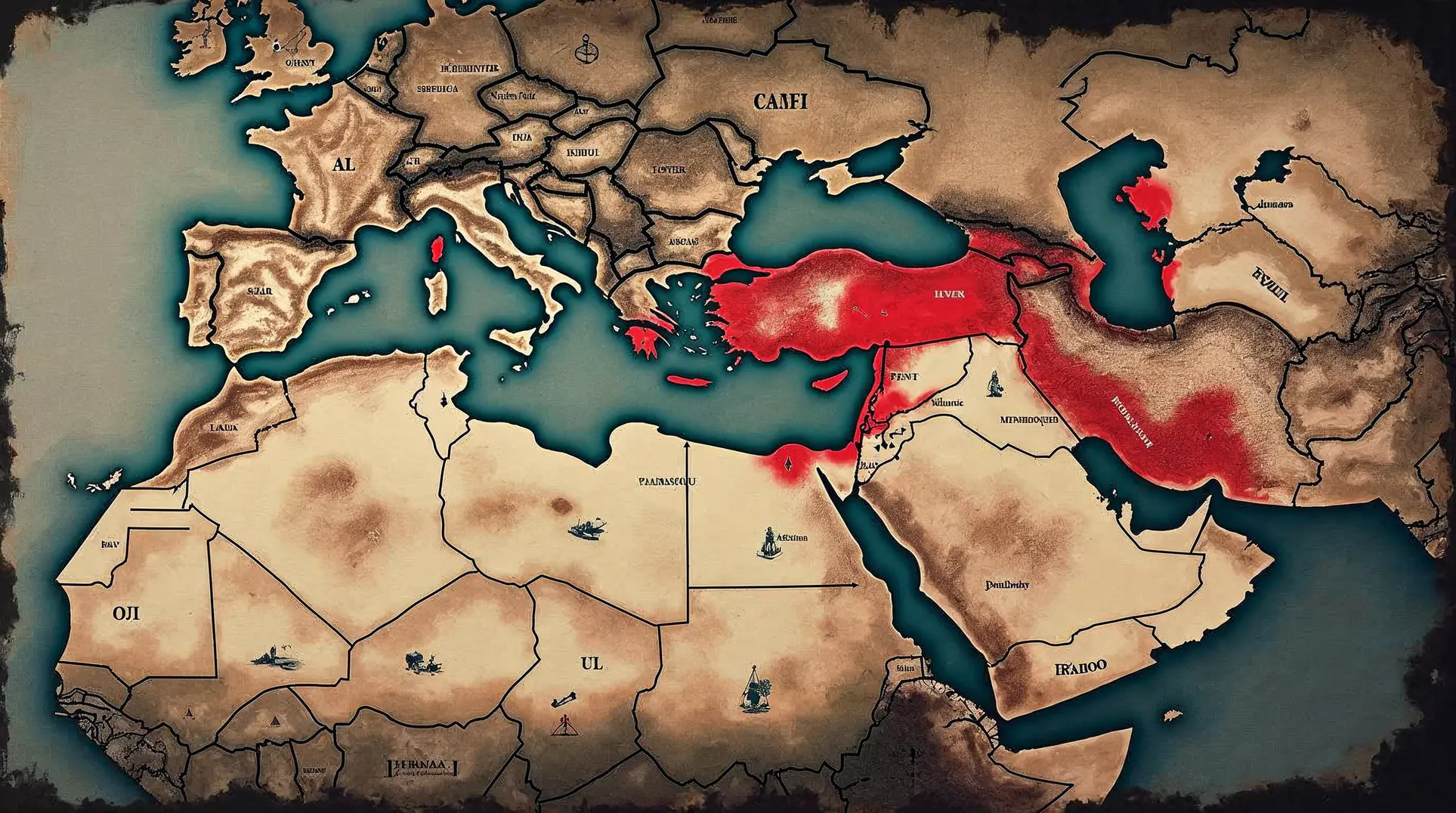
The deployment occurs against a complex diplomatic backdrop. Iran has blocked the Strait of Hormuz, through which approximately 20 percent of global oil passes, while stating "non-hostile vessels" coordinating with Iranian authorities may transit—explicitly excluding U.S. or Israeli ships. Global gas prices continue rising as the standoff persists. Regional allies have expressed concerns about escalation, with several Gulf states privately indicating reluctance to support expanded U.S. military operations from their territory.
The next phase will reveal whether the 82nd Airborne's deployment represents the final positioning before diplomatic breakthrough, or the ground component of a campaign that Pentagon planners have reportedly designed to last weeks rather than days.
Subscribe to our free newsletter to unlock direct links to all sources used in this article.
We believe you deserve to verify everything we write. That's why we meticulously document every source.


