


The Pentagon is actively deliberating the deployment of up to 10,000 additional ground troops to the Middle East, according to reports emerging. This potential surge would supplement approximately 5,000 Marines and thousands of 82nd Airborne Division paratroopers already ordered to the region, significantly expanding U.S. military options in the Iran theater.
The deliberations occur alongside President Trump's claims of "productive" peace talks with Tehran—negotiations Iran publicly denies are taking place. This contradiction between military escalation and diplomatic assertions has defined Washington's approach since hostilities began February 28, creating mounting uncertainty about U.S. strategic intent in a conflict now entering its fourth week.
Current deployment status
The proposed ground force package would include infantry and armored units, adding substantial combat capability to existing U.S. assets in theater. Already, the 82nd Airborne Division has deployed elements totaling fewer than 3,000 troops to U.S. Central Command's area of responsibility. The USS Boxer amphibious ready group, carrying approximately 2,200 Marines from the 11th Marine Expeditionary Unit, departed San Diego this week. The Japan-based USS Tripoli, with the 31st Marine Expeditionary Unit's 2,200 Marines aboard, has been diverted to the region.
Two carrier strike groups—the USS Abraham Lincoln and USS Gerald R. Ford—maintain station in the Gulf, alongside fighter squadrons and support assets positioned across regional bases. White House spokeswoman Anna Kelly affirmed that President Trump "always has all military options at his disposal," while the Pentagon declined to comment on specific force movements due to operational security concerns.
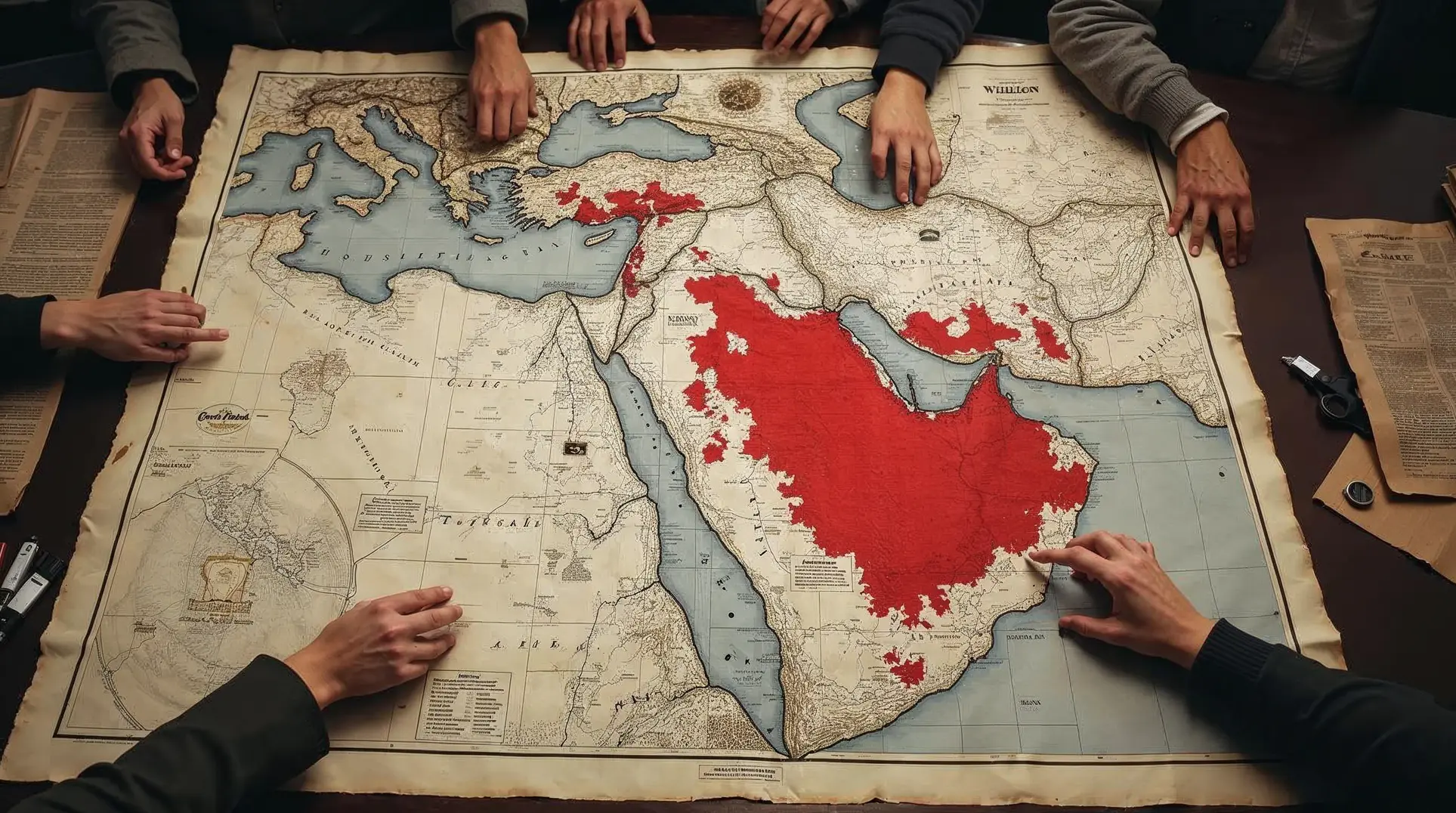
Members are reading: How ground forces create new vulnerability dynamics while enabling occupation scenarios unavailable through air power alone
Diplomatic contradictions persist
Trump extended a deadline for strikes on Iranian energy assets to April 6 following what he described as "very good" talks involving Secretary of State Marco Rubio, Vice President JD Vance, envoy Steve Witkoff, and Jared Kushner. The president hinted at Iranian offers related to oil, gas, and Strait of Hormuz access. Tehran, however, publicly denies any negotiations are underway, creating fundamental ambiguity about whether diplomatic channels genuinely exist or represent coercive theater designed to justify military preparations.
The Strait of Hormuz—through which approximately 20 percent of global oil passes—remains effectively closed, driving continued energy market disruption. Regional allies have privately expressed concerns about expanded U.S. military operations, fearing retaliatory Iranian strikes on their own energy infrastructure. The coming days will reveal whether the troop deployment discussions represent genuine operational planning or coercive signaling designed to extract concessions from Tehran under the threat of ground invasion.
Subscribe to our free newsletter to unlock direct links to all sources used in this article.
We believe you deserve to verify everything we write. That's why we meticulously document every source.


