


Two men have been arrested in a coordinated international operation for allegedly sabotaging multiple German naval vessels at Hamburg's commercial port. A 37-year-old Romanian national was detained in Germany while a 54-year-old Greek national was apprehended in Greece, according to authorities involved in the investigation.
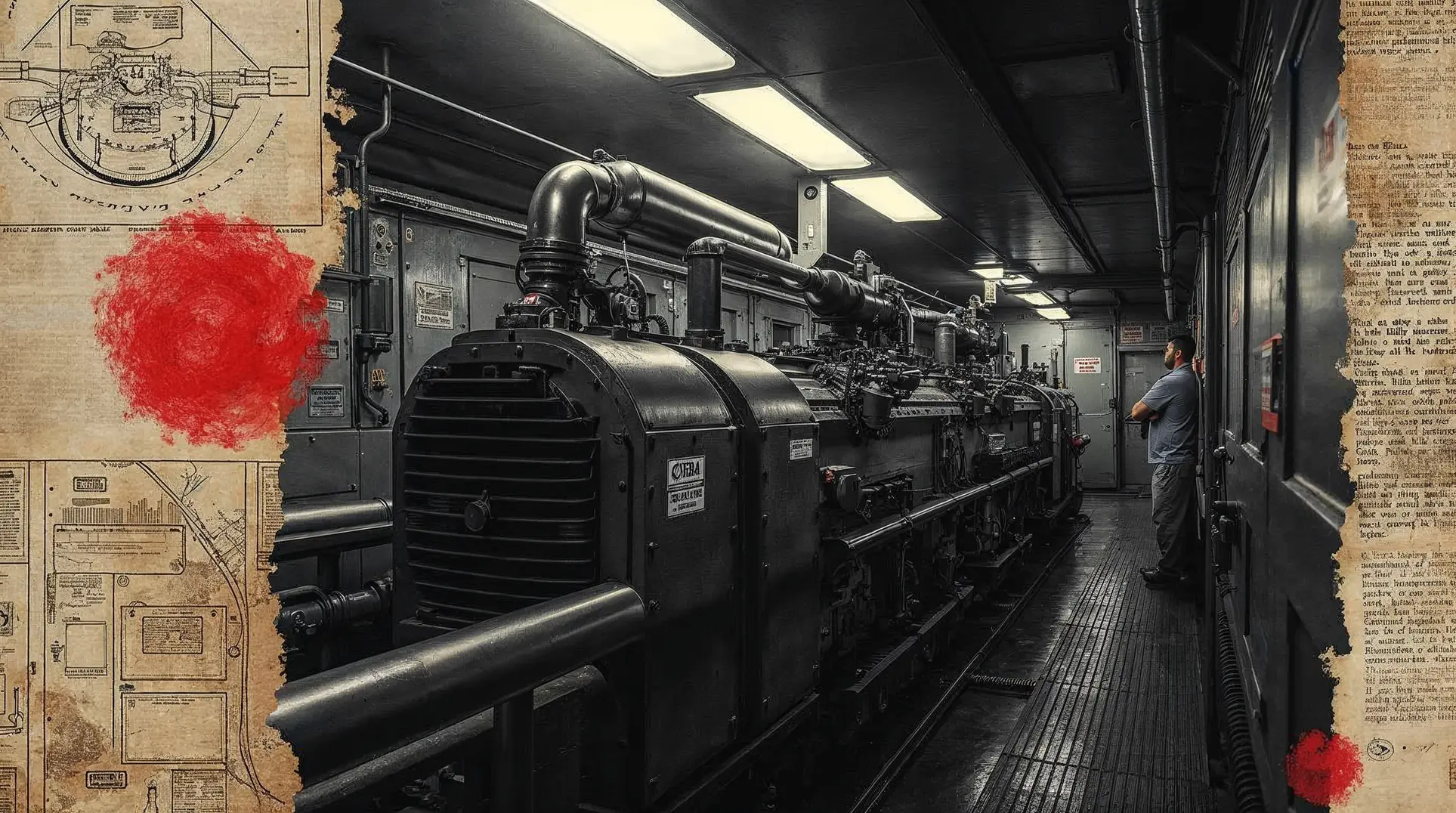
The sabotage operations targeted several corvettes undergoing maintenance or construction at the Port of Hamburg in 2025, including the vessels 'Emden' and 'Koeln'. Investigators allege the suspects dumped more than 20 kilograms of abrasive material into at least one ship's engine, punctured critical water lines, and deliberately disabled electronic systems across multiple vessels. The scale and technical sophistication of the damage suggests the perpetrators possessed both access credentials and specialized knowledge of naval vessel vulnerabilities.
The arrests followed a months-long investigation coordinated by Eurojust, the European Union's judicial cooperation agency, involving German federal prosecutors, Greek authorities, and Romanian law enforcement. The joint operation reflects growing institutional capacity within the EU to respond to suspected hybrid threats targeting defense assets, building on frameworks established since 2022 when sabotage incidents across European infrastructure began escalating.
German officials have not formally attributed the sabotage to any state actor, maintaining the judicial distinction between criminal prosecution and intelligence assessment. However, the case emerges within a documented pattern of suspected Kremlin-backed operations targeting European military and dual-use infrastructure. Recent incidents have included suspected Russian state-backed sanctions evasion networks and attacks on logistics facilities supporting Ukraine. The use of third-country nationals as perpetrators aligns with established hybrid warfare methodologies designed to maintain plausible deniability while degrading adversary capabilities.
Members are reading: Why this sabotage case forces an urgent review of security protocols across all European defense contractors.
The Hamburg arrests represent the first major criminal prosecution of suspected sabotage against European naval assets since the escalation of hybrid threats targeting the continent's defense infrastructure. While the judicial process will determine individual culpability, the strategic message is already clear: Europe's transition from peacetime commercial norms to wartime security posture remains incomplete, leaving critical vulnerabilities that adversaries are actively probing and exploiting.
Subscribe to our free newsletter to unlock direct links to all sources used in this article.
We believe you deserve to verify everything we write. That's why we meticulously document every source.


