


U.S. President Donald Trump on Tuesday issued his most provocative intervention yet in Iran's escalating crisis, urging protesters via Truth Social to "KEEP PROTESTING - TAKE OVER YOUR INSTITUTIONS!!!" while promising that "HELP IS ON ITS WAY." The statement, posted January 13, 2026, marks a sharp escalation in American rhetoric as Iranian security forces continue a brutal crackdown on demonstrations that have evolved from economic grievances into explicit calls for regime change. Trump simultaneously announced the cancellation of all meetings with Iranian officials until what he termed the "senseless killing" of protesters ceases.
The intervention comes amid a near-total information blackout imposed by Tehran since January 8, rendering casualty verification nearly impossible. Reports range from hundreds to several thousand dead, with some unconfirmed accounts suggesting up to 12,000 killed since protests erupted in late December 2025. Iran's clerical establishment has blamed the unrest on U.S. and Israeli interference, a narrative Trump's latest statement will inevitably reinforce in the regime's domestic messaging.
Strategic ambiguity as information warfare
The immediate question confronting both Tehran and Washington's adversaries is intentionally unanswerable: Does Trump's promise of "help" constitute a credible threat of military intervention, or is this a calculated psychological operation designed to maximize Iranian paranoia at minimal cost? From a realist perspective, the ambiguity itself is the weapon.
Trump has previously threatened military action against Iran over the crackdown, and administration officials have confirmed that options are under active consideration. Yet the deliberate vagueness of "help is on the way" forces the Iranian regime to prepare for multiple contingencies simultaneously—covert arms shipments to protesters, cyber operations against infrastructure, airstrikes on Revolutionary Guard facilities, or merely continued rhetorical support. Each possibility requires different defensive resources, straining an already overstretched security apparatus.
The timing amplifies the pressure. With Trump having already pledged support to protesters, this latest escalation suggests a deliberate strategy of incrementally raising stakes. The regime must now weigh every tactical decision against the risk that Washington interprets continued violence as crossing an undefined red line, potentially triggering intervention that may or may not actually be planned.
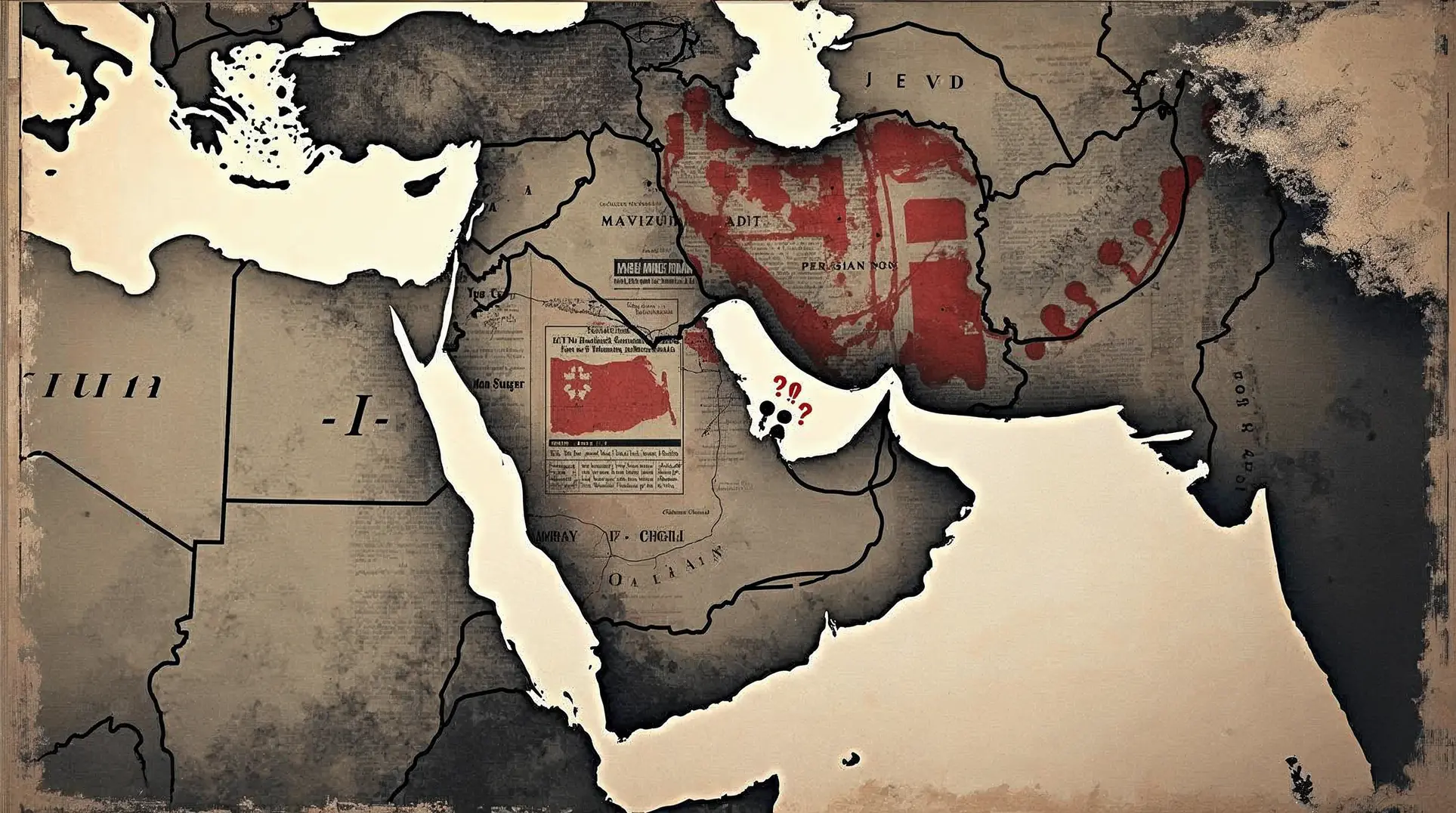
Members are reading: How Trump's deliberate ambiguity creates dual escalation risks—forcing Tehran into strategic paralysis while potentially trapping Washington in its own rhetoric.
The weaponization of uncertainty
Trump's intervention represents information warfare in its purest form—the strategic deployment of deliberate ambiguity to destabilize an adversary's decision-making process. Whether "help" materializes or remains perpetually en route is almost irrelevant. The Iranian regime must now govern as if American intervention is both imminent and uncertain, a posture that strains resources, deepens internal divisions, and increases the probability of the miscalculation both sides claim to want to avoid. In the contest between Washington and Tehran, the protesters' struggle has become instrumentalized as leverage in a broader geopolitical confrontation where neither capital's primary concern is the welfare of those dying in Iranian streets.
Subscribe to our free newsletter to unlock direct links to all sources used in this article.
We believe you deserve to verify everything we write. That's why we meticulously document every source.


