


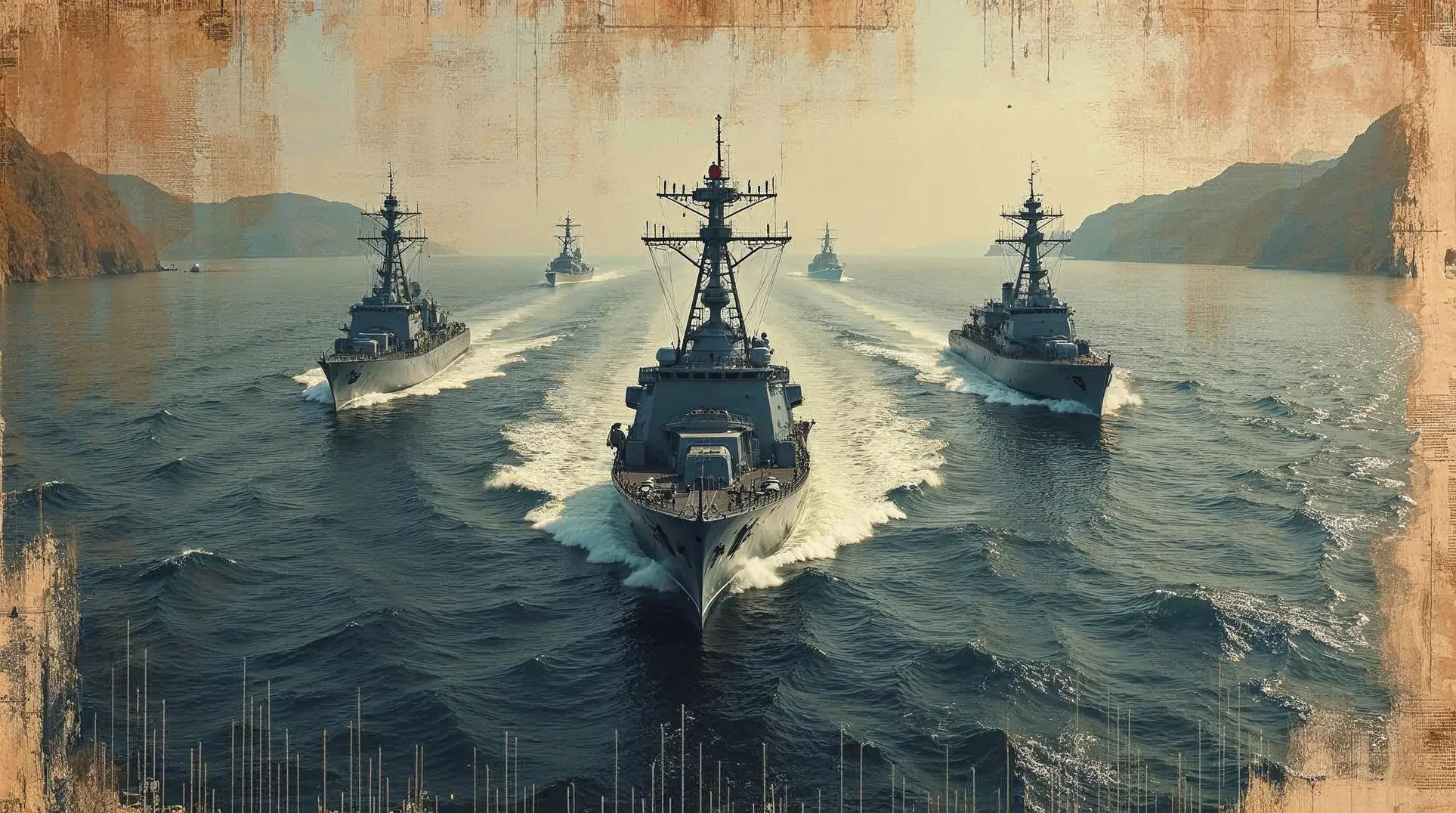
President Donald Trump called on March 14, 2026, for an international naval coalition to secure the Strait of Hormuz, stating that "many countries" would join the United States in keeping the critical waterway open. Trump posted on Truth Social that "Countries of the World that receive Oil through the Hormuz Strait must take care of that passage, and we will help — A LOT."
The statement comes as vessel movement through the strait has collapsed by over 98 percent since early March, dropping from 58 tankers daily to just one on March 8. Iran's blockade, enforced through maritime attacks on commercial shipping, has effectively closed the chokepoint through which approximately one-fifth of global oil supplies normally transit. A total of 14 ships have been struck since the conflict began, with three additional vessels hit as of March 11.
Military actions and contradictory guidance
Trump's coalition call follows a series of escalating U.S. actions. On March 10, the president threatened Iran with "death, fire, and fury" if the country did not clear mines from the waterway. U.S. Central Command reported destroying 16 Iranian minelaying vessels by March 11, targeting inactive vessels in response to the maritime threat.
On March 13, U.S. forces struck military targets on Kharg Island, Iran's primary oil export hub, while deliberately sparing oil infrastructure. Trump warned he would reconsider this restraint if Iran continued interfering with shipping.
The administration has issued contradictory guidance to commercial operators. Trump urged tankers to continue transits on March 11, claiming the strait was safe following U.S. military action. However, the U.S. Maritime Administration advises vessels to avoid the area due to high risks and soaring insurance rates, reflecting the substantial gap between official declarations and operational reality.
Members are reading: Why coalition burden-sharing faces practical obstacles in an active combat zone.
Iranian position and energy impact
Iran's new Supreme Leader, Mojtaba Khamenei, vowed to keep the Strait of Hormuz closed and urged neighboring countries to shut down U.S. bases. Iranian officials have threatened to block oil shipments to the United States, Israel, and their partners, framing the maritime campaign as retaliation for ongoing U.S.-Israeli military operations that began February 28.
Global oil prices have risen significantly due to the disruption, though they remain below early March peaks. Energy analysts warn that short-term offsets from strategic reserves are insufficient if the strait remains closed for an extended period. The International Energy Agency coordinated a 400-million-barrel strategic reserve release, but this volume represents only approximately three weeks of normal Hormuz flow.
Trump's announcement that U.S. Navy vessels will begin escorting shipping through the strait introduces the next escalation point. Whether escorts can reopen the waterway without triggering further Iranian retaliation will determine the conflict's trajectory in the coming days.
Subscribe to our free newsletter to unlock direct links to all sources used in this article.
We believe you deserve to verify everything we write. That's why we meticulously document every source.


