


Syrian forces capture strategic Tabqa city and Euphrates Dam, advance within 5km of provincial capital amid mass surrenders and accusations of broken withdrawal agreement
Syrian government forces have captured the strategic city of Tabqa and Syria's largest hydroelectric facility, the Euphrates Dam, advancing to within five kilometers of Raqqa's western entrance as of January 18, 2026. The rapid military push has triggered a large-scale withdrawal of Syrian Democratic Forces (SDF) east of the Euphrates River, with over 480 fighters reportedly surrendering after being encircled in recent clashes.
The developments represent a dramatic shift in territorial control in northeast Syria, unraveling what both sides now describe as a collapsed withdrawal agreement. The escalation has created immediate humanitarian consequences for Raqqa's civilian population, with water supplies disrupted and movement restrictions imposed as Syrian forces prepare for potential urban combat operations.
Military developments and territorial shifts
Syrian Army units secured Tabqa city and the adjacent Euphrates Dam infrastructure on January 17, following intense clashes that saw SDF defensive positions collapse along a broad front west of the river. The capture of the dam—Syria's largest hydroelectric installation—gives Damascus control over critical water and power infrastructure serving both Raqqa province and downstream areas.
Military sources report that Syrian forces have established positions less than five kilometers from Raqqa city's western approaches, marking the closest government presence to the provincial capital since 2014. The SDF has confirmed a tactical withdrawal of its units to the eastern bank of the Euphrates, consolidating defensive positions in what appears to be preparation for a prolonged standoff across the river divide.
The surrender of over 480 SDF fighters, confirmed through multiple field reports, indicates the speed and scope of the Syrian advance caught significant Kurdish-led forces in exposed positions before they could execute orderly withdrawals.
Breakdown of withdrawal agreement
The Syrian government has accused the SDF of systematically destroying civilian infrastructure during its retreat, including bridge demolitions and damage to water supply systems. Damascus claims SDF units executed prisoners before withdrawing—allegations the Kurdish-led force categorically denies. In a statement issued January 17, SDF leadership accused the Syrian Army of "betrayal," asserting that government forces violated the terms of a negotiated withdrawal by advancing into territories explicitly excluded from the agreement. The SDF statement said Damascus had "pushed beyond agreed lines, forcing our units into defensive combat we sought to avoid."
The collapse of the withdrawal framework threatens broader integration efforts between Kurdish forces and Syria's central government, a process already strained by violence in Aleppo and complicated negotiations over SDF incorporation into state structures.
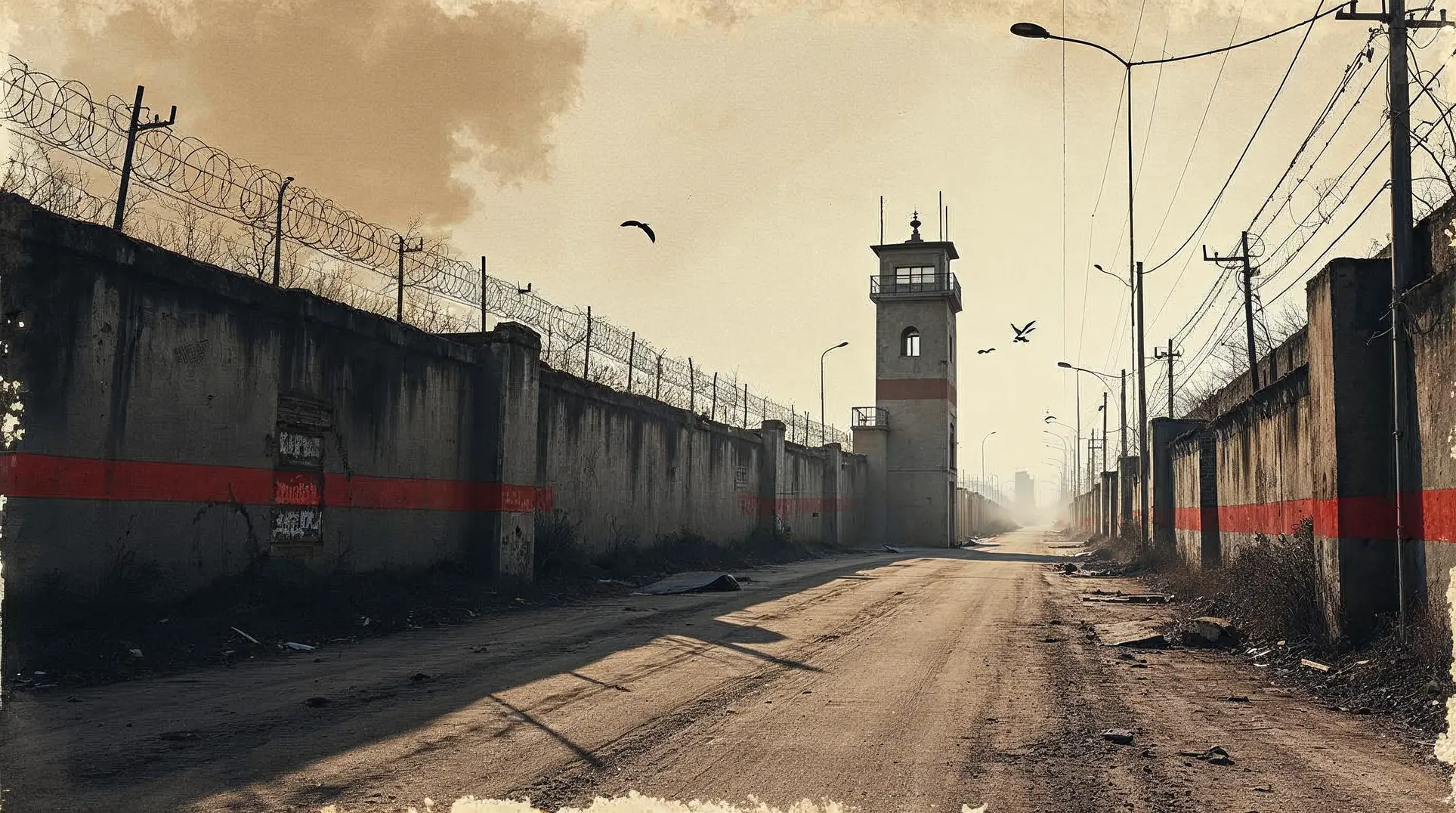
Members are reading: Analysis of ISIS prison security risks as territorial control shifts and the regional implications of potential mass breakouts.
Immediate impact on Raqqa population
SDF authorities have imposed a citywide curfew in Raqqa, restricting civilian movement as Syrian forces approach from the west. Water supplies to residential areas have been disrupted following explosions near pumping stations connected to the Euphrates Dam infrastructure, though responsibility for the damage remains disputed between the Syrian government and SDF.
The humanitarian situation is compounded by the pattern of displacement already evident in northern Syria, where civilian populations have been caught between competing forces during rapid territorial changes. With Syrian forces positioned for a potential assault on Raqqa city itself, the prospect of sustained urban combat raises immediate concerns about civilian casualties and access to essential services in a city still recovering from the devastation of the 2017 anti-ISIS campaign.
Subscribe to our free newsletter to unlock direct links to all sources used in this article.
We believe you deserve to verify everything we write. That's why we meticulously document every source.


