


A 28-point peace framework for the Russia-Ukraine war emerged from a three-day meeting in Miami in late October between Trump administration envoy Steve Witkoff, presidential son-in-law Jared Kushner, and Kirill Dmitriev—the sanctioned head of Russia's sovereign wealth fund. Reuters and CBS News confirm the October 24–26 gathering took place, with a special waiver reportedly enabling Dmitriev's entry to Florida despite U.S. Treasury sanctions imposed in February 2022. The draft framework, which includes major Ukrainian territorial concessions and permanent constraints on Kyiv's security orientation, was developed without Ukrainian or European co-authors.
The substance and process have triggered alarms across Washington. Congressional leaders question whether the backchannel skirted interagency oversight, while the sanctions waiver raises compliance issues under OFAC regulations. Kyiv and Brussels warn that any settlement imposed without their input risks fracturing the coalition that has sustained Ukraine's defense for three years.
What's in the 28-point framework
The draft plan, detailed by CBS News and Reuters, centers on an immediate ceasefire in exchange for economic normalization and sweeping Ukrainian concessions. On territory, Crimea, Donetsk, and Luhansk would be recognized as de facto Russian, with portions of Ukrainian-held Donetsk ceded as a neutral buffer zone. Front lines in Kherson and Zaporizhzhia would freeze, preserving Russia's land bridge to Crimea.
Ukraine would be constitutionally barred from NATO membership, with NATO committing not to deploy troops on Ukrainian soil. Kyiv's armed forces would be capped at roughly 600,000 personnel, and restrictions placed on long-range strike capabilities. The framework calls for staged sanctions relief for Russia, potential readmission to a reconstituted G8, and deployment of at least $100 billion in frozen Russian assets to Ukraine reconstruction, matched by EU contributions. Additional frozen assets could flow to a joint U.S.-Russia investment fund.
Governance provisions include Ukrainian elections within 100 days, detainee returns, and broad amnesties. A "Peace Council" chaired by President Trump would monitor implementation, alongside a Russia-NATO security dialogue and non-aggression framework. White House spokeswoman Karoline Leavitt said any plan must offer "security guarantees and deterrence for Ukraine, Europe and Russia" along with economic incentives, but reporting describes only vague "robust guarantees" and a potential "snapback" of sanctions if Russia reinvades—without treaty-backed enforcement mechanisms.
The process problem: sanctions, waivers, and interagency bypass
The Treasury's Office of Foreign Assets Control sanctioned RDIF and Dmitriev in February 2022 under Executive Order 14024, barring U.S. persons from transactions with them. Reuters reports a special waiver permitted Dmitriev's travel for the Miami sessions. While backchannels are a longstanding diplomatic tool, engaging a sanctioned Kremlin representative in government-led negotiations without transparent interagency review has drawn scrutiny on Capitol Hill and within the executive branch.
Senator Roger Wicker, chair of the Senate Armed Services Committee, said publicly: "This so-called 'peace plan' has real problems… Ukraine should not be forced to give up its lands." Multiple sources familiar with the matter indicate concerns that Witkoff and Kushner operated outside standard interagency coordination, raising questions about legal oversight, policy coherence, and the scope of the waiver. The administration has simultaneously imposed new sanctions on major Russian energy firms—creating a disconnect between pressure and accommodation that complicates U.S. messaging to allies and adversaries alike.
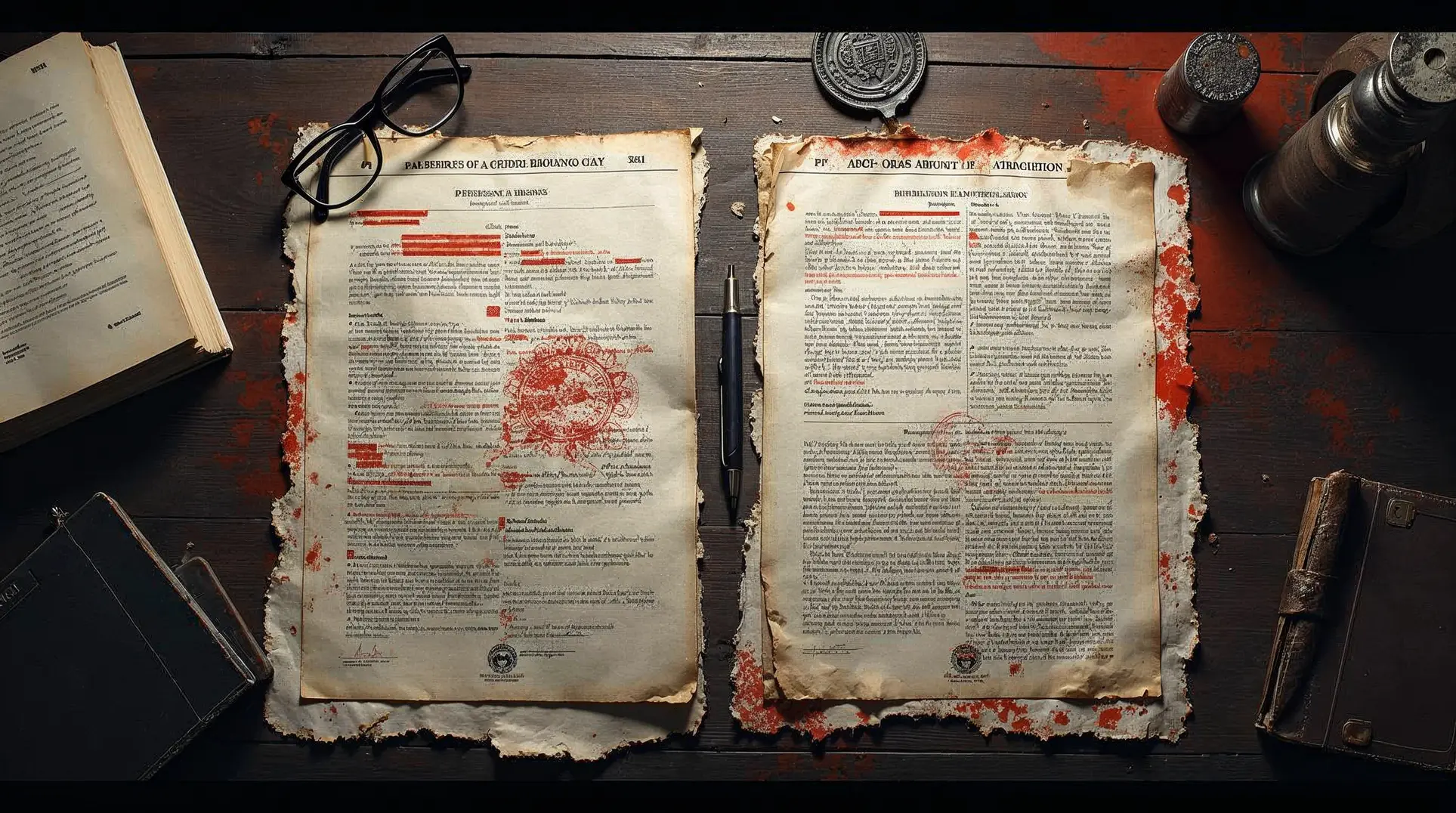
Members are reading: Why the plan's vague enforcement mechanisms and lack of treaty guarantees create a structural credibility gap that invites Russian violations.
Reactions: Kyiv's dilemma, Europe's alarm, Moscow's optimism
President Zelenskyy described Ukraine's position as a "very difficult choice," emphasizing the need to protect "dignity and freedom" while stopping short of outright rejection. Ukrainian Defense Minister Rustem Umerov confirmed he was briefed on a technical level but denies agreeing to terms. Kyiv has signaled willingness to "work on the points" but insists on a "dignified peace." Reuters reports the Trump administration pressed for Ukrainian acceptance within one week, though a senior U.S. official disputed accounts that Washington threatened to curtail assistance if Kyiv refused. Earlier reporting examined the leverage debate in detail.
EU High Representative Kaja Kallas cautioned that "for any plan to work, it needs Ukrainians and Europeans on board," calling the moment "very dangerous." European officials told Reuters they were not consulted during the drafting phase. Moscow, by contrast, expressed guarded optimism: President Putin indicated the U.S. plan could serve as a "basis" for resolution, while Dmitriev told Axios that "the Russian position is really being heard."
The divergence in reactions underscores the plan's core problem. The party most optimistic about the framework is the aggressor; the parties bearing the costs—Kyiv and European capitals—were excluded from its creation.
What comes next
The administration faces immediate questions about transparency and feasibility. Will Congress receive a full briefing on the waiver's legal scope, interagency review protocols, and enforcement mechanisms? Can any guarantee regime achieve credibility without NATO membership or a ratified treaty? And how will Kyiv respond if pressured on a compressed timeline, knowing that European allies were sidelined in drafting the terms they would be expected to underwrite?
The Miami backchannel has produced a document; whether it produces a durable peace depends on answering those questions with more than assurances. Process matters in diplomacy—not as bureaucratic procedure, but as the foundation of legitimacy and enforceability. A plan drafted with a sanctioned envoy and imposed on allies may achieve a ceasefire. It is far less likely to achieve the deterrence and stability its architects promise.
Subscribe to our free newsletter to unlock direct links to all sources used in this article.
We believe you deserve to verify everything we write. That's why we meticulously document every source.


