


NATO fighter jets intercepted the deepest penetration of Romanian airspace yet recorded on Tuesday, as a drone crossed from Ukraine into the alliance member state and tracked inland toward Vrancea County, far beyond the border zone. Defence Minister Ionuț Moșteanu confirmed pilots came close to firing but held off over concern about debris falling on populated areas, calling the incursion "a new Russian provocation against Romania." Fragments of a drone without explosive charge were later recovered on Romanian territory; no injuries were reported.
The November 25 breach forced two separate scrambles within ninety minutes and triggered civil alerts across Tulcea and Galați counties, underscoring the operational dilemma NATO faces along the Danube corridor: enforce sovereignty kinetically and risk collateral damage and escalation, or exercise restraint and risk normalizing airspace violations that probe alliance response times, radar coverage, and political cohesion. For Romania—which shares a 650-kilometer border with Ukraine and has logged at least thirteen confirmed incursions since 2022—the incident sharpens pressure to employ newly codified shoot-down authorities while managing the risk of miscalculation in Europe's most volatile airspace.
Timeline of a threshold crossed
At approximately 06:28 local time, two German Eurofighter Typhoons deployed under NATO's enhanced air policing mission in Romania launched from their base after radar detected an unidentified target heading toward Tulcea County. The drone crossed into Romanian airspace; Romanian authorities issued a Ro-Alert civil warning to residents in Tulcea at 06:55. By 07:11, radar tracked the object back over Ukrainian territory. Less than half an hour later, at 07:37, two Romanian F-16s scrambled from Borcea air base in response to a second breach. At 07:50, radar detected the drone over Galați County, with civil alerts issued at 07:48. This time, the aircraft tracked the object moving inland toward Vrancea—a significant departure from previous incidents, which typically remained near border areas.
The morning's violations occurred as Russian forces conducted overnight strikes on Ukrainian Danube port infrastructure at Izmail and Kiliia-Veke, directly across the river from Romania. Residents in Romanian border counties have grown accustomed to Ro-Alert warnings during mass Russian strike campaigns, but Tuesday's penetration depth—and the intensity of the air response—marked a new threshold. Moldova reported six drone violations of its airspace the same morning, with one crashing on a residential roof without exploding, illustrating how spillover from Russian operations now routinely tests sovereignty across the Danube region.
The decision calculus: authority versus risk
Romania adopted Law No. 73/2025 earlier this year, enabling the destruction of unauthorized drones in peacetime when lives or property are at risk. Yet despite having legal authorization, Romanian and German pilots have repeatedly declined to fire. In a September 2024 incident, an unidentified drone remained in Romanian airspace for approximately fifty minutes; F-16 pilots held authorization to engage but "assessed the collateral risks and decided not to open fire," according to Romanian Ministry of Defence statements documented by Radio Free Europe/Radio Liberty.
Tuesday's decision to hold fire despite a deeper incursion reflects the same calculus. Defence Minister Moșteanu emphasized that pilots considered shooting down the drone but refrained over concern for damage on the ground—a judgment that balances the imperative to defend NATO airspace with the operational reality that intercepting low-altitude drones over populated areas risks civilian harm from falling debris. The approach is consistent with the risk-minimization posture NATO has adopted across the eastern flank, where commanders weigh on-the-spot assessments of imminent threat against broader escalation management.
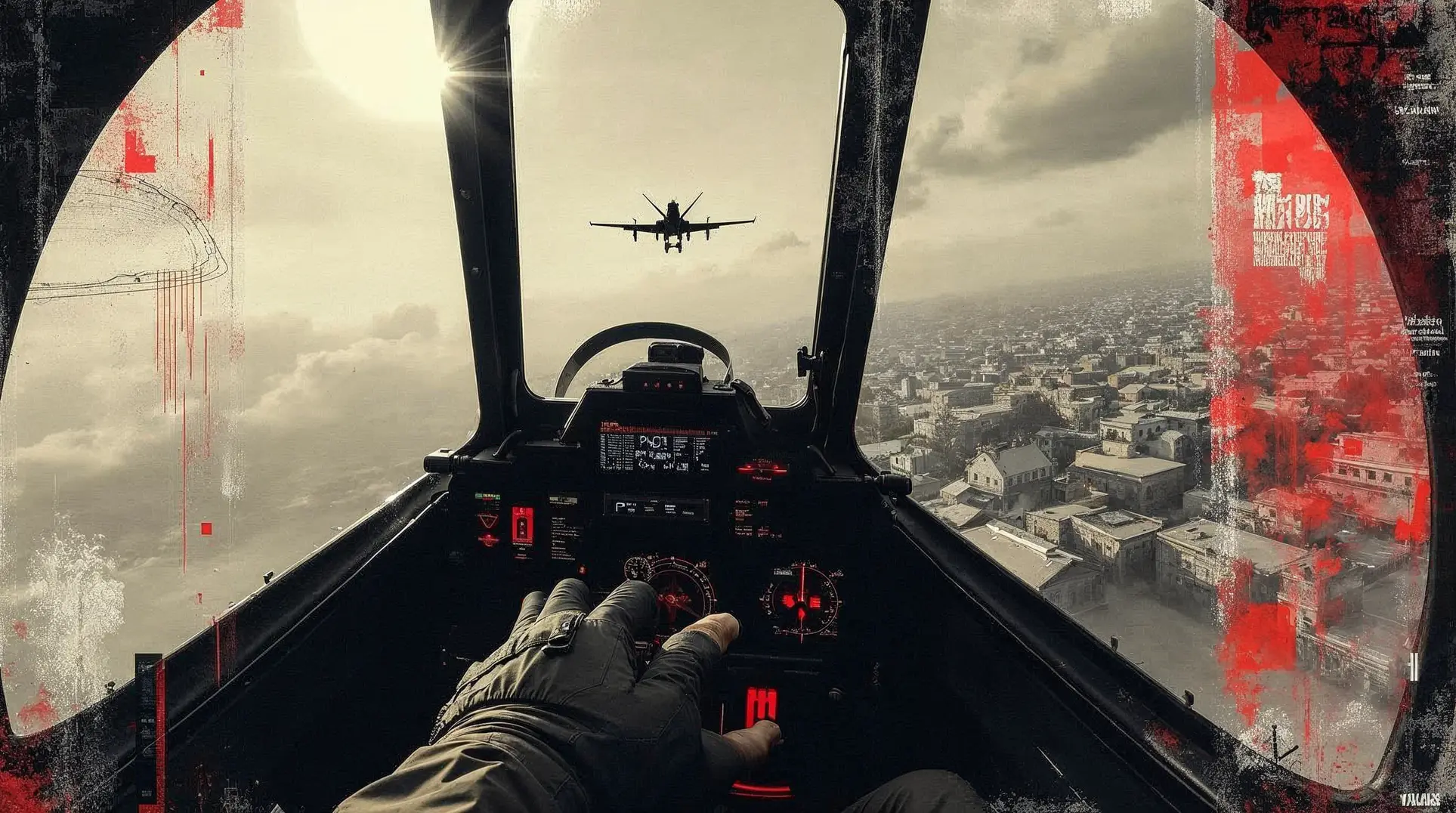
Members are reading: How Romania's restraint exposes NATO's escalation dilemma and the structural vulnerabilities of the Danube air corridor.
Implications for alliance posture
Romania's handling of Tuesday's incursion signals NATO's determination to manage escalation along the eastern flank through operational discipline, even at the cost of tolerating repeated violations. The alternative—routine kinetic intercepts over populated areas—risks civilian casualties, debris incidents, and providing Moscow with opportunities to frame defensive measures as aggression. Yet restraint carries its own costs: each unchallenged breach tests allied credibility, strains public confidence, and invites further probing.
The deployment of advanced counter-drone systems to Romania may eventually resolve the tactical dilemma, offering a middle path between passive monitoring and manned fighter intercepts. Until that capability is operational, the alliance will rely on enhanced early warning, coordinated air policing, and careful judgment by pilots operating under tight rules of engagement. The depth of Tuesday's penetration—tracked inland to Vrancea—suggests that Moscow is probing not only Romania's airspace but NATO's willingness to enforce red lines in a contested environment where every decision carries risk. The alliance's answer, for now, is measured restraint backed by visible deterrence. Whether that calculus holds depends on how far the next drone flies.
Subscribe to our free newsletter to unlock direct links to all sources used in this article.
We believe you deserve to verify everything we write. That's why we meticulously document every source.


