


Oman's Foreign Minister Sayyid Badr Albusaidi announced late Sunday that a planned meeting of Iranian and Gulf Arab foreign ministers, scheduled for Monday in Salalah, has been postponed indefinitely. The talks were meant to negotiate a temporary shipping arrangement through the Strait of Hormuz, effectively blockaded by Iran since the US-Israel war began on 28 February. Albusaidi said the postponement came "in the interests of consensus."
Within hours, Houthi military spokesman Yahya Saree claimed what he called a "large-scale military operation" against Saudi Arabia's King Khalid Air Base in Khamis Mushait, involving dozens of ballistic missiles and drones aimed at hangars, radar systems and command centers. Saudi civil defence confirmed a projectile struck Al-Tawwal governorate in Jazan, damaging a mosque and wounding at least two civilians; the broader damage claims remain unverified.
The state of play
Iran's Foreign Ministry spokesperson Esmaeil Baghaei said Riyadh itself "requested the meeting not be held for the time being," linking the request to "events unfolding in Yemen." Saudi officials have not confirmed this account publicly. Bahrain had already said it would not attend any session including Iran.
The postponement lands as Saudi Arabia's export options narrow. As Crisis.Zone has reported, the kingdom's East-West Pipeline, its only bypass around Hormuz, was shut down Friday after drone strikes launched from Iraq's Maysan province hit pumping stations, according to Iraq's Security Media Cell. Separately, Houthi forces have completed a sweep of Yemen's Red Sea coast, placing them astride both chokepoints that flank Saudi crude exports. Brent crude traded at $108.17 a barrel Monday morning, CNBC reported, up 3.4% on the day.
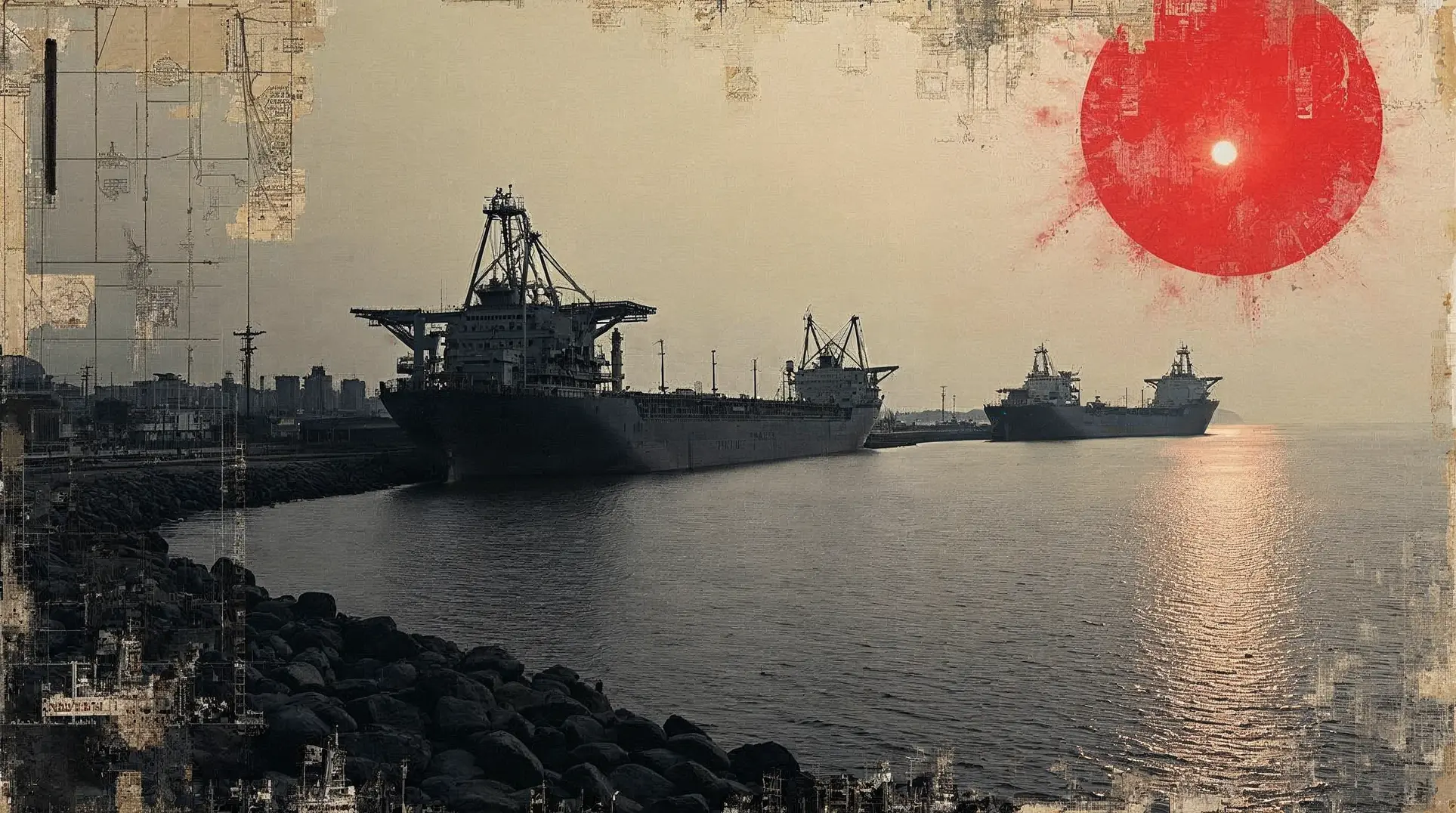
Observers are reading: how MBS's Jeddah meeting with CENTCOM signals Riyadh's shrinking menu of military options.
Become an Observer — it's free. Get full access to all Crisis.Zone analysis, briefings and breaking coverage.
A kingdom without an off-ramp
Saudi officials have not publicly confirmed Iran's account of who scuttled the Salalah talks. What is confirmed is the timing: the collapse of the last near-term diplomatic channel arrived in the same 48 hours as the pipeline shutdown and the Khamis Mushait strike claim, leaving Riyadh's options narrower than at almost any point since February.
Become an Observer — it's free — to unlock direct links to all sources used in this article.
We believe you deserve to verify everything we write. That's why we meticulously document every source.


