


Key takeaways
- A six-day local truce around Russian-held Oleshky expired at 21:59 CET on 1 November, Ukrainian reports said, with no reported violations.
- As of Monday, Moscow had not publicly responded to an unnamed Ukrainian official's claim that it declined an extension, and Peskov said no similar ceasefires are planned for now.
- Evacuation figures of about 750 and nearly 800 come from Melania Trump, with no published breakdown by destination.
- US-mediated Russia-Ukraine talks are set to resume this month, and the sources do not show whether the truce's end affects them.
A six-day local truce around Oleshky, a Russian-held town in Ukraine's Kherson region, expired at 21:59 CET on Sunday 1 November (22:59 in Kyiv), according to Ukrainian reports. Ukrainian human rights commissioner Dmytro Lubinets said: "The ceasefire, which was in effect from October 27 to November 1, has ended," AFP reported. At about 07:00 CET on Monday, Kherson authorities said a drone struck a car in the Korabelny district of Kherson city. They said a 62-year-old woman and a 73-year-old man were wounded and taken to hospital, and they blamed Russian forces.
When the truce began on 27 October, at 02:00 CET (3:00 a.m. in Kyiv), its stated purpose was to let aid reach the town and let residents leave. Oleshky sits on the eastern bank of the Dnipro, opposite Ukrainian-held Kherson city. Russian forces took it after the February 2022 invasion. About 24,000 people lived there before the war. Al Jazeera estimated that about 2,000 civilians remained when the truce took hold. The White House said US first lady Melania Trump secured the deal as "Exclusive Intermediary".
Six days without reported violations
Both sides said they were abiding by the local ceasefire, and neither reported violations while it ran, AFP reported. No independent monitor was named in the reporting. The pause was local. On 1 November alone, Ukraine's Air Force said Russia launched 433 drones overnight, and Russian authorities said Ukrainian drones hit the Nizhny Novgorod region.
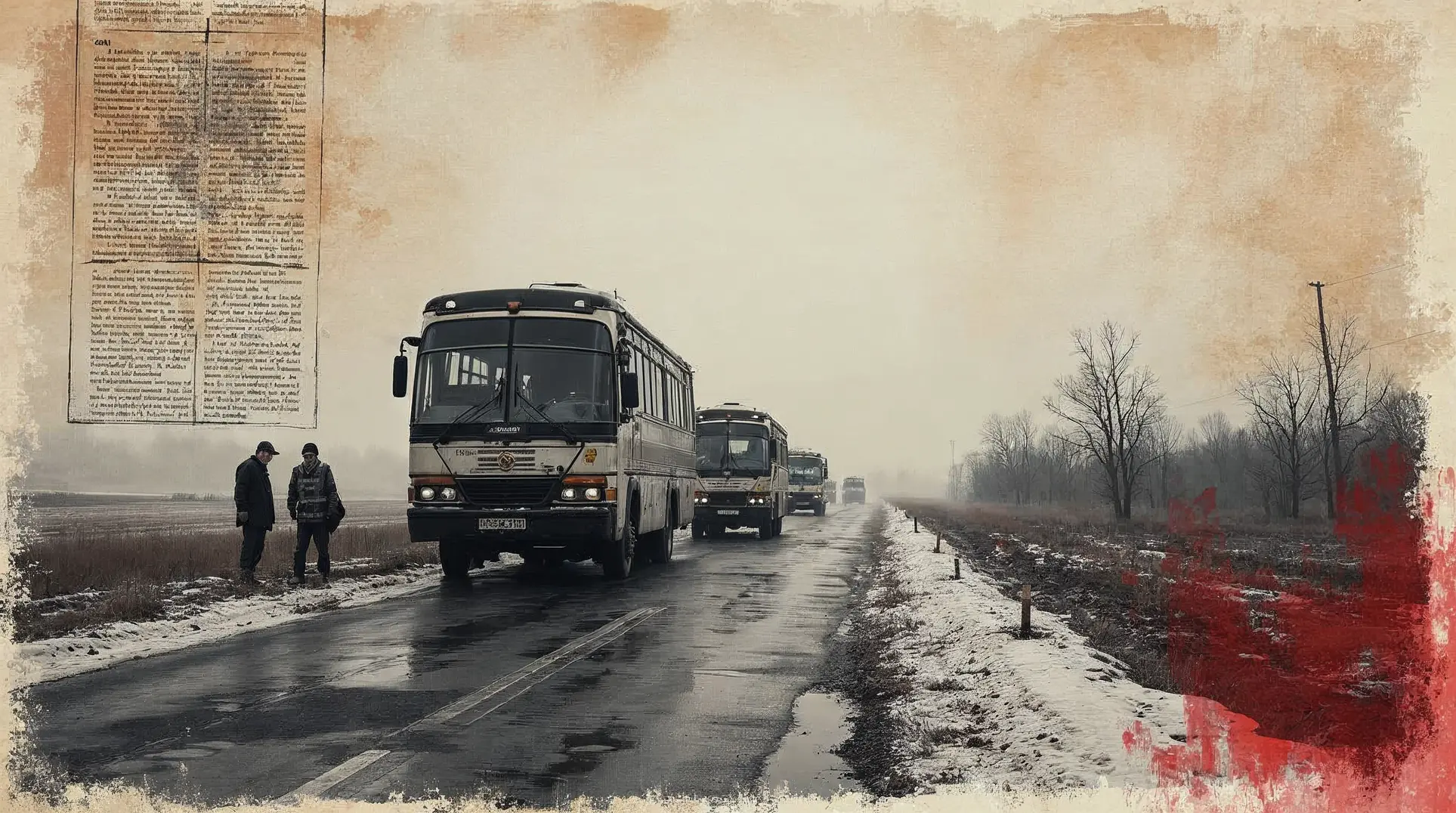
Inside the zone, roads were demined and food and medicine reached the town, according to Reuters. Russia's defence ministry said a soldier was killed by an explosive device during demining on 28 October. Russian ombudswoman Yana Lantratova said two people died. Both are Russian accounts. Ukrainian and Russian delegations entered Oleshky on 30 October with a convoy of 25 buses and nine ambulances, Lantratova said. Residents could leave for Ukrainian-held territory, leave for Russian-held territory, or stay.
Reuters called it "the longest local pause in fighting since Russia's full-scale invasion in 2022". AFP called it "the longest truce of the Ukraine war". Lubinets said both sides had "upheld the obligations they undertook throughout the duration of this period". Kremlin spokesman Dmitry Peskov was quoted by Russian news agencies, Reuters reported on 1 November, as saying that Russia viewed the operation positively, including the coordination between the two countries' human rights commissioners.
Observers are reading: evacuation and aid figures by source and date, the unconfirmed extension offer, and competing claims about how each side used the pause.
Become an Observer, it's free. Get full access to all Crisis.Zone analysis, briefings and breaking coverage.
What the record leaves open
AFP reported that US-mediated talks between Russia and Ukraine are set to resume this month, having been effectively frozen since February, when the United States and Israel launched joint strikes on Iran. Today's reporting does not establish whether the lack of an extension will affect them.
What the record shows is narrow. The deal had a defined town, a defined purpose and a working channel between the two ombudspersons, which both Lubinets and Peskov credited. The sources do not explain more. They do not show whether Moscow treats such arrangements as more than one-off gestures. Three things would clarify it: a Russian statement on the extension offer, a further humanitarian mission, and the agenda of the November talks. Lubinets said he and Lantratova were exploring possibilities to continue similar humanitarian efforts, Reuters reported. That is an intention, not an agreement.
Before the truce expired, Kherson governor Oleksandr Prokudin urged residents not to visit the "red zones" near the Dnipro. He said Russian strikes there remained intense.
Become an Observer (it's free) to unlock direct links to all sources used in this article.
We believe you deserve to verify everything we write. That's why we meticulously document every source.


