


Kim Jong Un's inspection of a near-operational 8,700-ton nuclear-powered submarine marks a significant milestone in North Korea's naval modernization campaign, one that Pyongyang explicitly frames as a direct response to South Korea's own nuclear submarine ambitions. The presence of his daughter Kim Ju Ae at the inspection site, alongside the concurrent test-firing of long-range surface-to-air missiles that successfully traveled 200 kilometers, underscores the regime's positioning of naval nuclearization as a multi-generational strategic imperative rather than a tactical provocation.
The competing submarine programs on the Korean Peninsula represent a classic action-reaction dynamic in regional security architecture, one that reveals how bilateral deterrence calculations increasingly shape maritime posture across the Asia-Pacific. The question is whether this tit-for-tat modernization produces stable mutual deterrence or increases the probability of miscalculation in waters already congested with competing naval forces from the United States, China, Japan, and Russia.
The deterrence paradox
North Korea's submarine development fits within Kim's broader military modernization framework announced in 2021, which prioritized tactical nuclear weapons, hypersonic missiles, and undersea nuclear capabilities similar to those being deployed by the United States across the region. Pyongyang's official statements directly cite Seoul's partnership with Washington on nuclear-powered submarine technology as justification for its own naval nuclear program. South Korea announced plans in 2021 to acquire nuclear-powered submarines, with active US technical consultation, creating a security environment where each side's defensive measures become the other's offensive threat.
This reciprocal justification structure presents a deterrence paradox. From Pyongyang's perspective, a sea-based nuclear capability provides survivable second-strike potential that strengthens deterrence by removing incentives for preemptive attack. From Seoul's perspective, North Korea's submarine-launched nuclear capability represents an unpredictable, mobile threat that justifies accelerated indigenous defense modernization. Both narratives are internally coherent, yet their interaction produces an arms spiral that neither side can unilaterally halt without accepting strategic vulnerability.
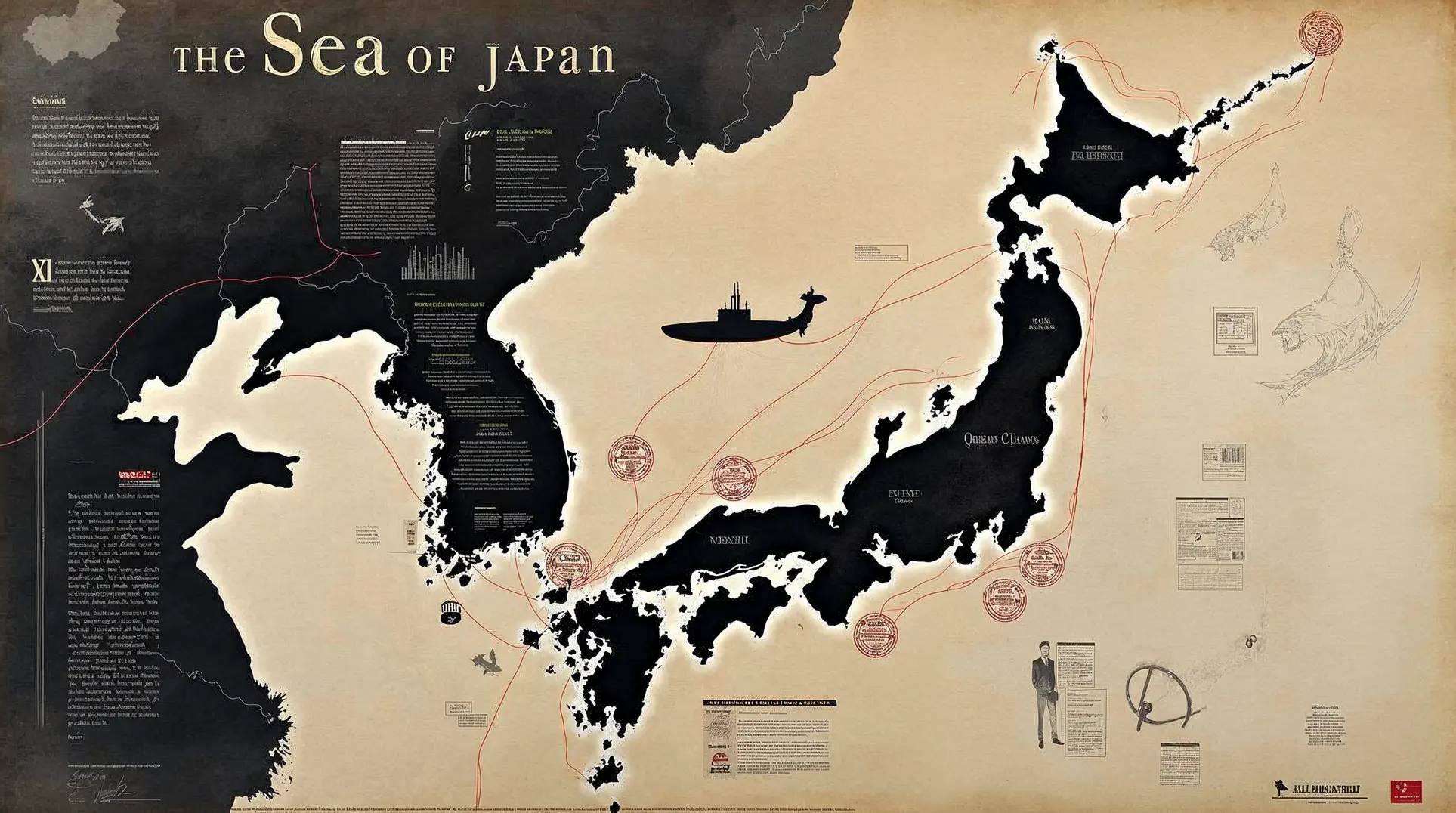
The missile tests accompanying the submarine inspection demonstrate integrated air-defense modernization designed to protect high-value naval assets. A submarine requires extensive defensive infrastructure to operate safely, including secure bastion zones in coastal waters. The 200-kilometer range of the tested missiles suggests capability to create protected operational areas in the Sea of Japan, though sustaining such defenses requires resource commitments that strain North Korea's limited military budget.
Members are reading: How Russia's technology transfer makes the submarine viable and why China faces new strategic uncertainty in waters it considers vital.
Multi-generational strategic commitment
Kim Ju Ae's presence at the submarine inspection carries symbolic weight beyond succession signaling. Positioning a potential heir alongside a naval nuclear asset frames the program as a permanent feature of North Korean strategic identity, not a bargaining chip in potential negotiations. This public messaging complicates diplomatic efforts by signaling that submarine capabilities will outlast any individual leader or political arrangement.
The action-reaction cycle on the Korean Peninsula demonstrates how bilateral security competitions produce regional instability that no single actor can resolve through unilateral action. Each side's defensive measures logically justify the other's offensive capabilities, creating a self-reinforcing dynamic that draws in external powers and complicates maritime security across Northeast Asia. The network effects of competing deterrence postures suggest that stability will require multilateral frameworks that address interdependent security concerns rather than bilateral negotiations focused on discrete weapons systems.
Subscribe to our free newsletter to unlock direct links to all sources used in this article.
We believe you deserve to verify everything we write. That's why we meticulously document every source.


