


Germany has finally secured custody of a Ukrainian national accused of coordinating the 2022 Nord Stream pipeline sabotage, but the legal path to his arrival has exposed deep fissures in European judicial cooperation on transnational security cases. Serhii Kuznetsov, identified in German court documents as Serhii K., was transferred from Italian custody on November 27, 2025, following a protracted extradition battle that saw Italy's Supreme Court initially reject and then uphold his handover. Federal prosecutors confirmed he is scheduled to appear before the investigating judge at the Federal Court of Justice in Karlsruhe to face charges of conspiracy to cause an explosion, anti-constitutional sabotage, and destruction of critical infrastructure.
The 49-year-old's arrival marks the first tangible success in Germany's three-year investigation into the September 2022 explosions that destroyed sections of both Nord Stream 1 and 2 pipelines near the Danish island of Bornholm, effectively severing the Russia-Germany gas route. Yet even as one suspect reaches German jurisdiction, another remains free after Poland's courts rejected a separate extradition request in October—a divergence that underscores how Europe's unified legal instruments are fracturing under the pressure of hybrid-threat prosecutions with geopolitical overtones.
The case against Kuznetsov
German prosecutors allege that Kuznetsov coordinated a seven-person team that planted explosive devices on the pipelines in September 2022. He was detained in August 2025 near Rimini, Italy, on a European Arrest Warrant, initially held in high-security detention in Ferrara. According to media reporting cited by German outlets including Die Zeit, ARD, and Süddeutsche Zeitung, investigators have focused on a chartered yacht named "Andromeda," allegedly rented from Rostock using forged identification documents and later found to contain traces of explosives and DNA. Multiple suspects, reportedly linked to a private diving school in Kyiv, remain at large across Europe.
Kuznetsov, described in several reports as a former officer of the Ukrainian Armed Forces and in one account as previously linked to Ukraine's SBU security service, denies any involvement. His attorney, Nicola Canestrini, has stated confidence in an eventual acquittal in German courts. The presumption of innocence applies fully; none of the investigative threads—the yacht, the forensic traces, the alleged coordination—has yet been tested in open court. What matters at this stage is not guilt, but that Germany's prosecutors believe they have sufficient evidence to proceed and that Italian judges agreed the legal threshold for extradition was met.
EU judicial cooperation under strain
The Kuznetsov transfer stands in sharp contrast to Poland's handling of a second Ukrainian suspect. Volodymyr Z., arrested in Poland in September 2025, was released the following month after a Polish court rejected Germany's extradition request. German prosecutors have identified six other suspects who remain at large. The divergence between Italian and Polish judicial decisions—both operating within the same European Arrest Warrant framework—reveals a troubling inconsistency in how EU member states weigh evidence standards, procedural safeguards, and the political sensitivities inherent in cases touching on Ukrainian actors and Russian interests.
This is not merely a procedural inconvenience. Effective prosecution of transnational sabotage depends on predictable, harmonized judicial cooperation. When courts in different capitals reach opposing conclusions on similar evidence, the result is a patchwork of accountability that undermines deterrence. Potential perpetrators of future infrastructure attacks may calculate that safe havens exist within the EU itself—not through sanctuary policies, but through legal fragmentation. For Germany, securing additional suspects will require not just investigative skill but sustained diplomatic and legal coordination with partners who may not share Berlin's assessment of the evidence or the case's strategic importance.
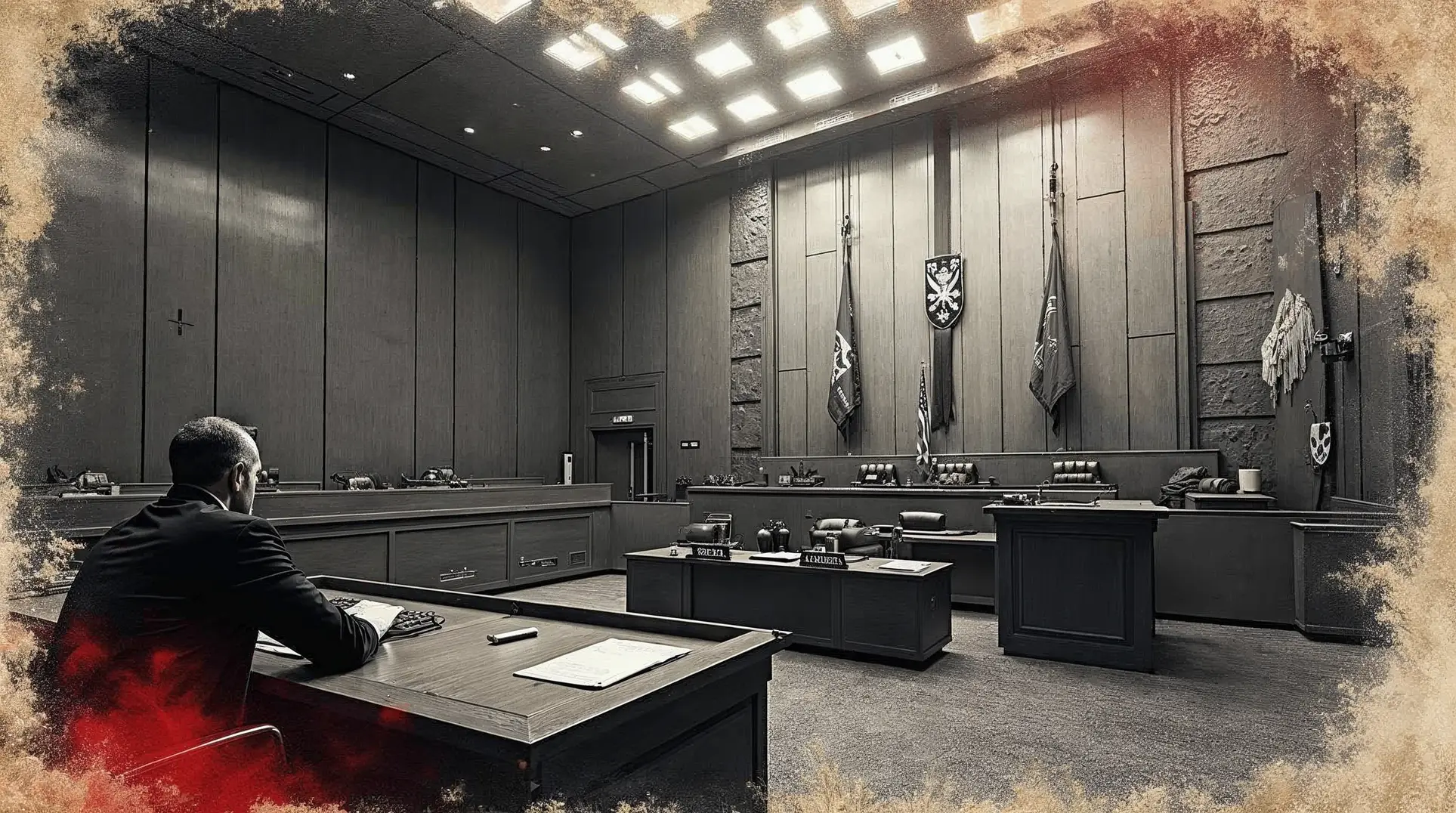
Members are reading: Why prosecuting this case is critical to Europe's deterrence strategy in the hybrid-threat era, beyond energy politics.
What comes next
Kuznetsov's appearance before the Karlsruhe investigating judge will determine whether pre-trial detention continues and may clarify the formal charge sheet. German media have reported that Hamburg is under consideration as the eventual trial venue, though no final decision has been announced. The immediate procedural questions are straightforward; the broader challenges are not.
Germany's ability to bring additional suspects into custody will test both its investigative reach and the strength of its legal cooperation with EU partners. The Polish court's refusal to extradite Volodymyr Z. suggests that securing further transfers will require more than routine mutual legal assistance requests. Prosecutors may need to provide additional evidence, address specific procedural concerns raised by foreign courts, or navigate political sensitivities that vary by jurisdiction.
Simultaneously, the case will remain a focal point for competing narratives. Moscow, Kyiv, and European capitals will each frame the extradition and any subsequent proceedings through their own strategic lenses. Disinformation actors will exploit ambiguities, and the absence of a clear judicial conclusion invites speculation. The stakes extend beyond one suspect: they encompass Europe's credibility in defending critical infrastructure and holding perpetrators accountable, regardless of geopolitical complexity.
Subscribe to our free newsletter to unlock direct links to all sources used in this article.
We believe you deserve to verify everything we write. That's why we meticulously document every source.


