


Prime Minister orders emergency response as Arctic cold mass strands communities under 4.5-meter drifts
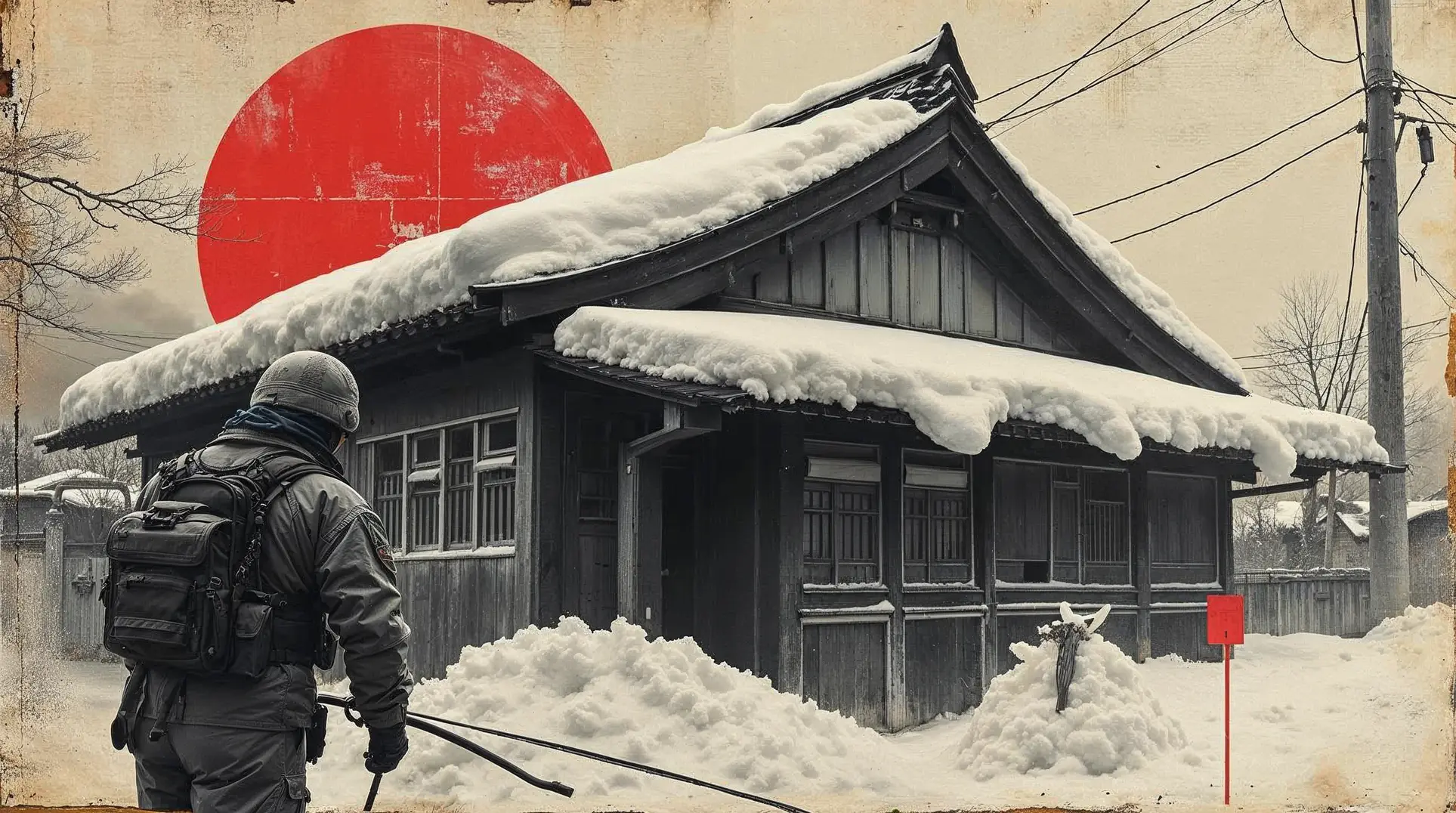
Japan's Self-Defense Forces mobilized Tuesday to reach communities buried under record-breaking snowfall that has killed at least 30 people and injured nearly 300 across northern and western regions. The deployment marks an escalation of the government's emergency response as local authorities struggle to cope with snow depths reaching 4.5 meters in the hardest-hit areas.
Prime Minister Sanae Takaichi ordered the military intervention after Aomori Prefecture, located on the northern tip of Honshu island, reported conditions overwhelming municipal snow-removal capacity. The death toll continues to rise as residents attempt to clear roofs and navigate streets buried under snow accumulation not seen in four decades.
Crisis in Aomori
Aomori city recorded 1.8 meters of snow—towering walls that have paralyzed transportation and trapped residents in their homes. This breaks the prefecture's previous record set 40 years ago. In more remote mountain communities, accumulation has reached 4.5 meters, creating life-threatening conditions as roofs buckle under the weight and avalanche risk increases.
According to Japan's Fire and Disaster Management Agency, the majority of casualties occurred during snow-removal efforts. Residents climbing onto roofs to prevent structural collapse have fallen or been struck by sliding snow. The agency reports nearly 300 injuries, with the toll expected to climb as soldiers and emergency crews reach isolated areas that have been cut off from outside assistance for days.
Members are reading: Analysis of the critical 48-hour window and why early military deployment reveals government concerns about cascading infrastructure failures.
Ongoing response
Snow plows operated by soldiers joined local crews Tuesday in around-the-clock operations to clear major arteries and reach stranded communities. The Prime Minister's office confirmed the deployment focuses on Aomori but stands ready to expand to other affected prefectures in western Japan, where abnormal snowfall has also been reported. The persistent cold air mass from the Arctic continues to drive snowfall across the region, with no clear end to the weather pattern in sight.
Authorities are prioritizing structural assessments of buildings at risk of roof collapse and establishing emergency supply routes to communities that have been isolated for multiple days. The Fire and Disaster Management Agency has issued warnings for residents to avoid unnecessary snow-removal attempts and to evacuate buildings showing signs of structural stress.
Subscribe to our free newsletter to unlock direct links to all sources used in this article.
We believe you deserve to verify everything we write. That's why we meticulously document every source.


