


Iran's Islamic Revolutionary Guard Corps announced it conducted retaliatory strikes targeting a US base in Jordan and 21 additional locations across the Gulf region, according to Iranian media reports. The IRGC specifically claimed hits on Al-Azraq air base in Jordan, including F-35 fighter shelters and a command-and-control center, as well as targets at the US Fifth Fleet headquarters in Bahrain and Ali Al Salem Air Base in Kuwait.
 Alex Thompson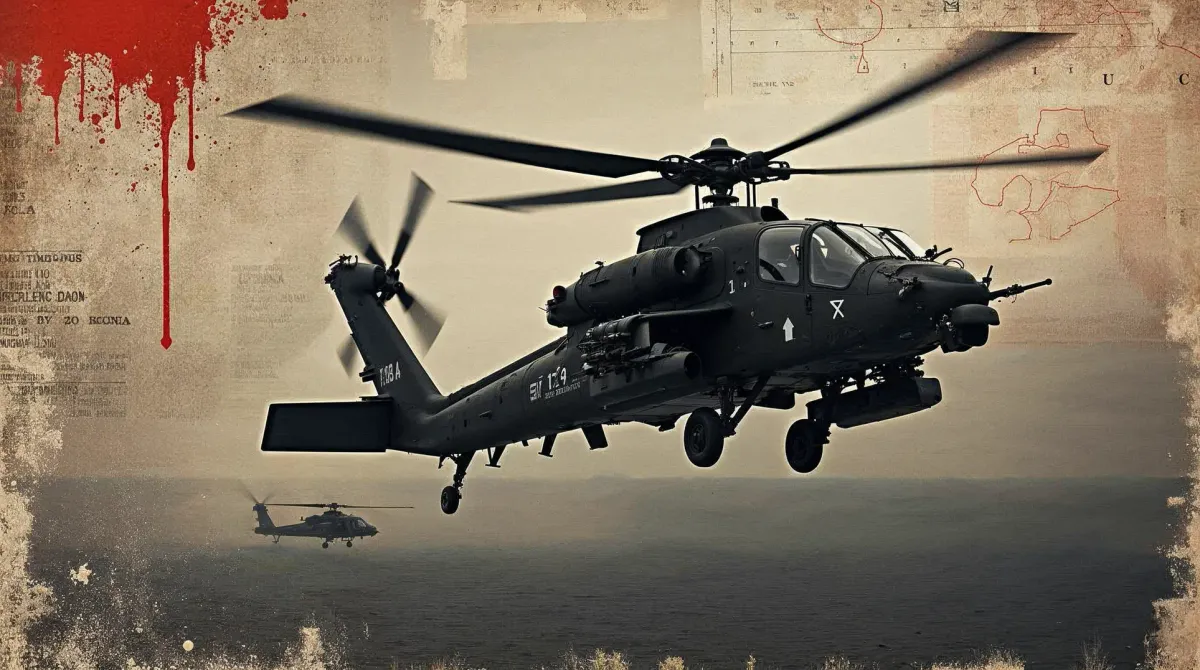
Jordanian armed forces reported intercepting and destroying five missiles launched from Iran toward Al-Azraq, with no injuries or damage confirmed at the base. Bahrain issued air-raid warnings during the reported attacks. US Central Command stated it had "completed defensive operations against Iran," without providing details on the claimed strikes. No independent damage assessment from US or Jordanian authorities has been released, and the operational impact of Iran's claimed attacks remains unverified.
Regional response and verification status
The IRGC claims follow a series of US strikes on Iranian military infrastructure, including recent operations targeting Iran's Kharg Island oil terminal and facilities near the Strait of Hormuz. Iranian media characterized Wednesday's operations as direct retaliation for American military action in the Gulf region. The IRGC also claimed strikes on targets near Qeshm Island and Sirik, both located near the strategic waterway.
Jordan's military confirmation that it intercepted five Iranian missiles contradicts the IRGC's claims of successful hits on Al-Azraq facilities. The base hosts US military assets and has served as a key logistics hub for regional operations. The discrepancy between Iranian claims and regional military responses creates uncertainty about the actual scope of Wednesday's operations.
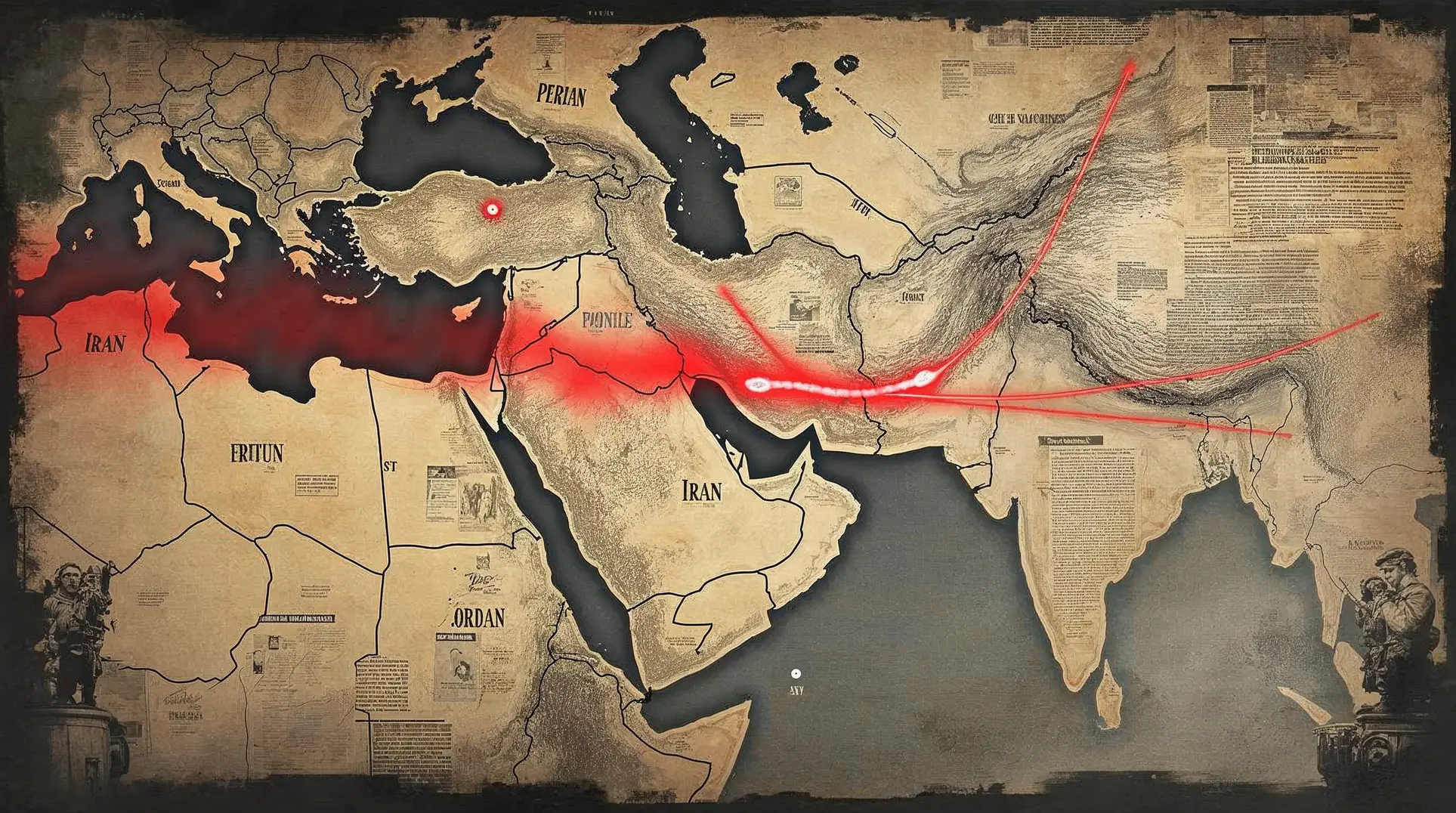
Members are reading: How Iran's expanded targeting claims test regional alliance commitments and US response thresholds
Immediate outlook
The IRGC has warned of "crushing and decisive" responses to any further US military action and stated that regional countries have a "legal and moral responsibility" to prevent their territory from being used for operations against Tehran. This messaging places Gulf Arab states and Jordan in an increasingly difficult position, hosting US forces while facing Iranian retaliation threats.
The conflict's trajectory now depends on whether the claimed Iranian strikes—particularly those targeting Jordan—prompt additional US military responses or whether both sides calculate that current levels of action serve their strategic messaging needs without risking uncontrolled escalation. With independent verification still pending, the next 24-48 hours will clarify whether this represents a genuine operational expansion or primarily a rhetorical escalation.
Subscribe to our free newsletter to unlock direct links to all sources used in this article.
We believe you deserve to verify everything we write. That's why we meticulously document every source.


