


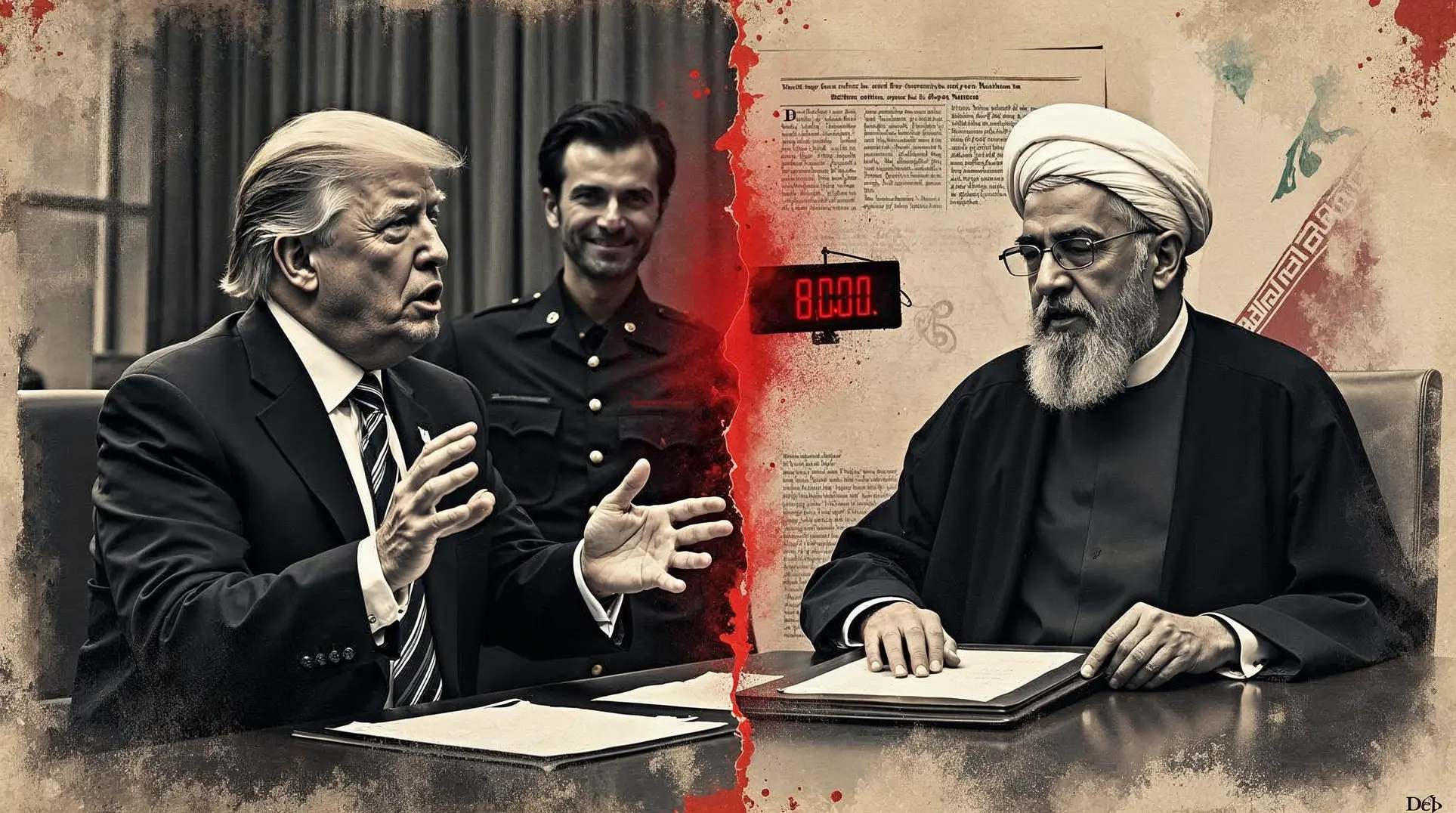
The U.S. military struck military targets on Iran's Kharg Island as President Trump's 8 p.m. ET deadline for reopening the Strait of Hormuz expired without Iranian compliance. The strikes targeted naval mine storage facilities, missile bunkers, and military infrastructure used to support Iran's blockade of the critical waterway. Trump warned that "a whole civilization will die tonight" if Iran continues refusing to reopen the strait, threatening "widespread attacks on civilian infrastructure" including power plants and bridges.
Iran formally rejected a U.S.-mediated ceasefire proposal hours before the deadline, countering with demands for a permanent war end, sanctions relief, and reconstruction assistance. Iranian Supreme Leader Mojtaba Khamenei stated Iran would continue attacking shipping through the Strait of Hormuz, which handles approximately 20% of global oil supplies. The standoff has now reached its most critical phase since the conflict began February 28, 2026, with both sides entrenched in incompatible positions.
Kharg Island strikes and strategic significance
U.S. Central Command confirmed strikes on Kharg Island, located 15 miles off Iran's coast in the Persian Gulf. The island serves as Iran's primary oil export terminal, handling approximately 90% of its crude oil exports. While previous U.S. military action against Kharg Island in March deliberately avoided oil infrastructure, Trump has now explicitly stated he would reconsider this restraint if the Strait remains closed.
Trump described the operation as targeting facilities directly involved in maintaining the blockade. Iranian officials have condemned the strikes and urged citizens to form human chains around power plants in anticipation of further U.S. attacks. The threat to target civilian infrastructure has drawn warnings from legal experts that such action would constitute war crimes under international humanitarian law.
Members are reading: How credibility trap dynamics and infrastructure targeting risks accelerate conflict trajectory in next 48 hours
Diplomatic breakdown
Efforts by Pakistan, Turkey, and Egypt to mediate a ceasefire have effectively collapsed. The mediators presented a two-phase proposal calling for a 45-day initial ceasefire followed by negotiations addressing Iran's uranium stockpile and permanent Strait reopening. Iran's five-point counter-proposal demands permanent cessation of hostilities, guarantees against future attacks, war reparations, resolution of regional conflicts involving Iranian-allied groups, and international recognition of Iranian authority over the Strait of Hormuz.
Trump's call for international coalition support to secure the Strait has largely failed, with major allies declining to participate in military operations. The conflict has driven oil prices sharply higher and disrupted global energy markets for over five weeks. The deadline expiration marks the most dangerous phase yet, with Trump committed to executing threats and Iran showing no willingness to comply with U.S. demands for unconditional reopening of the waterway.
Subscribe to our free newsletter to unlock direct links to all sources used in this article.
We believe you deserve to verify everything we write. That's why we meticulously document every source.


