


Iran's ballistic missile arsenal is non-negotiable, a senior adviser to Supreme Leader Ayatollah Ali Khamenei declared Wednesday, injecting fresh uncertainty into fragile diplomatic efforts to prevent military confrontation between Tehran and Washington. Ali Shamkhani's statement, delivered during 47th-anniversary celebrations of the Islamic Revolution, sets a clear boundary as indirect talks mediated by Oman prepare to restart.
The declaration crystallizes a fundamental impasse: Iran insists negotiations address only its nuclear program, while the United States—pressed by Israeli Prime Minister Benjamin Netanyahu during his Washington visit today—demands any agreement include ballistic missiles and Iran's regional proxy network. The gap threatens to collapse talks before they meaningfully begin.
Latest situation update
Speaking at Revolution Day commemorations in Tehran, Shamkhani emphasized that Iran's missile capabilities "are its red line and are not a subject to be negotiated." The timing carries deliberate weight. Iranian President Masoud Pezeshkian reinforced the position hours later, publicly rejecting what he termed "excessive" American demands that extend beyond nuclear enrichment limits.
The Iranian statements come as Oman prepares to host renewed indirect negotiations, following the collapse of earlier venue and agenda discussions. While Tehran has signaled willingness to cap low-level uranium enrichment—a potential nuclear concession—officials made clear this represents the absolute limit of Iranian flexibility. The US maintains significant military presence in the region, including carrier strike groups led by the USS Abraham Lincoln, applying sustained pressure as diplomatic channels reopen.
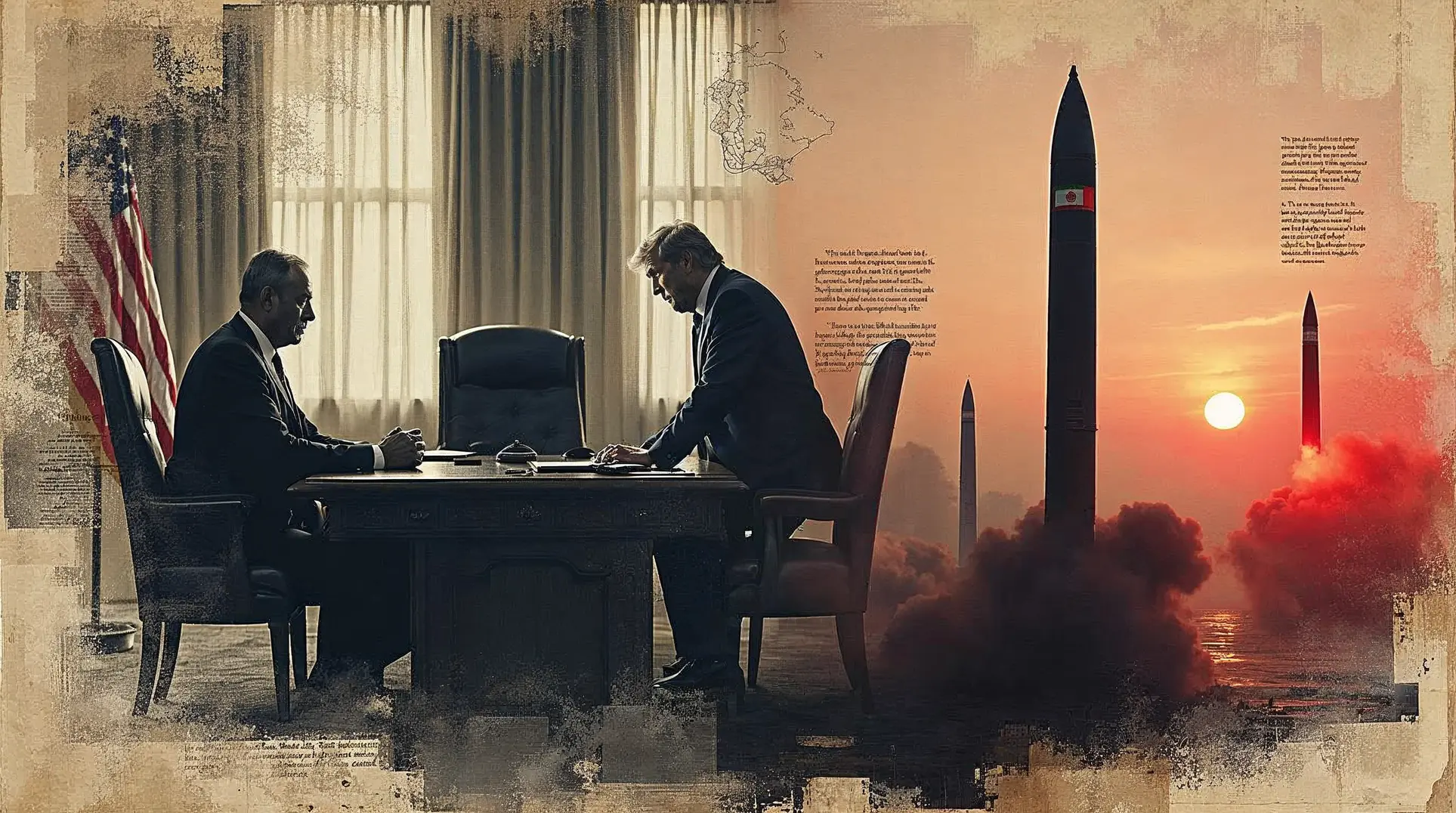
Members are reading: How Netanyahu's White House visit creates an unsolvable diplomatic triangle that may doom talks before they start.
Narrow window closes further
Iran's explicit missile red line transforms what was already difficult diplomacy into a game of brinkmanship. With Tehran offering limited nuclear flexibility while categorically rejecting broader security discussions, and Washington under Israeli pressure to demand comprehensive agreements, the Oman mediation process enters with minimal room for compromise. The coming days will reveal whether any party values de-escalation enough to narrow their demands—or whether public positioning has already locked all sides into incompatible positions.
Subscribe to our free newsletter to unlock direct links to all sources used in this article.
We believe you deserve to verify everything we write. That's why we meticulously document every source.


