


On New Year's Day 2026, Venezuelan President Nicolás Maduro delivered an unexpected diplomatic overture to Washington. In a televised interview, he proposed serious negotiations on drug trafficking cooperation and invited U.S. companies—specifically Chevron—to access Venezuelan oil reserves. Maduro described Venezuela as a "brother country" to the United States, positioning himself as a willing partner in hemispheric security challenges. The offer came packaged with a pointed detail: when he and Trump last spoke in November, the U.S. president had addressed him as "Mr. President."
The timing reveals a calculated paradox. Maduro's conciliatory rhetoric arrives amid the most intensive U.S. military pressure campaign against Venezuela in years. Since September 2025, American forces have conducted over 35 strikes on vessels in the Caribbean, killing more than 115 people in interdiction operations framed as counter-narcotics enforcement. More provocatively, a recent CIA drone strike targeted Venezuelan port infrastructure directly—a brazen escalation Maduro conspicuously avoided discussing in his New Year's address. The dissonance between his diplomatic language and the military reality demands structural analysis rather than surface-level interpretation.
Strategic legitimacy through performative recognition
Maduro's emphasis on Trump's use of "Mr. President" operates as more than vanity. It represents a tactical effort to extract de facto recognition from an administration that officially denies his legitimacy. Washington maintains that Venezuela's 2018 presidential election was fraudulent and has designated Maduro the leader of a "narco-terrorist" organization. Yet Trump's reported use of the formal title in their November conversation—now publicly highlighted by Maduro—creates diplomatic ambiguity the Venezuelan leader can exploit.
This recognition maneuver serves multiple audiences. Domestically, it allows Maduro to portray himself as an equal to the U.S. president, reinforcing narratives of sovereignty against imperial aggression. Internationally, particularly among non-aligned nations and regional partners, it suggests that even Washington tacitly acknowledges his authority when practical interests require communication. The November talks reportedly centered on Maduro's potential departure from power in exchange for amnesty—an offer Trump rejected. That those negotiations occurred at all, however, validates Maduro's claim to be the relevant interlocutor for Venezuela's future.
The economic calculation behind the olive branch
Maduro's specific mention of Chevron signals awareness of Venezuela's economic vulnerabilities and American corporate interests. Venezuelan oil production has collapsed from over 3 million barrels per day in the 1990s to roughly 700,000 barrels today, largely due to chronic underinvestment, brain drain, and sanctions. Chevron has maintained a limited presence in Venezuela even through the harshest sanction periods, operating under specific U.S. Treasury licenses. By publicly inviting expanded U.S. oil investment, Maduro positions himself as a pragmatic economic actor rather than an ideological opponent.
This framing serves immediate needs. Venezuela requires foreign capital and technical expertise to rehabilitate its petroleum sector, the regime's primary revenue source. Simultaneously, the offer provides Trump—whose administration has shown transactional flexibility on energy security—with a potential justification for engagement that bypasses ideological objections. Maduro calculates that American commercial interests, particularly in an administration less invested in regime-change orthodoxy, might create openings for sanctions relief negotiations separate from political transformation demands.
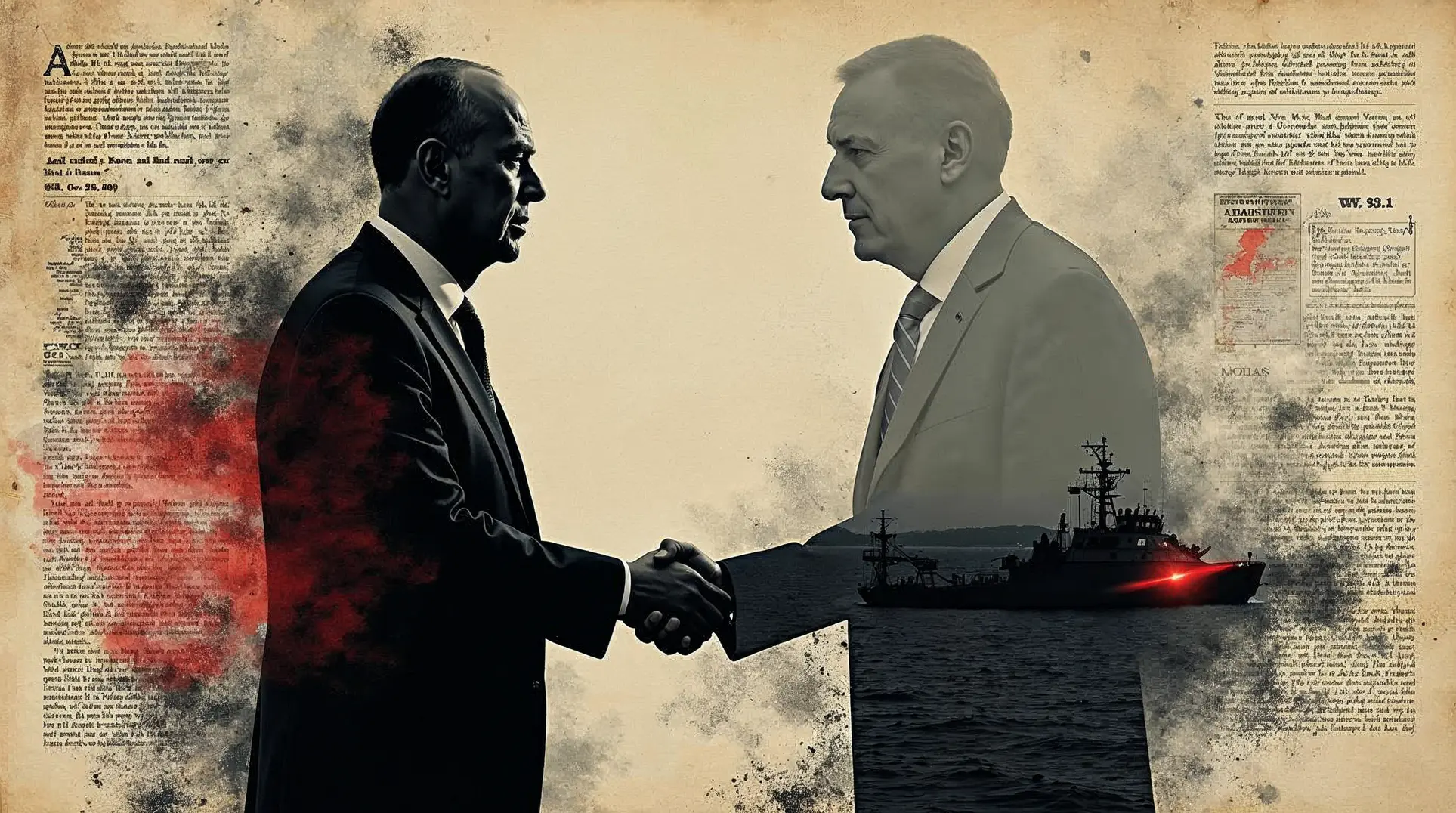
Members are reading: How U.S. military escalation may be inadvertently strengthening Maduro's domestic position and regional diplomatic standing.
Calculated performance or genuine opening
Maduro's New Year's offer arrives at an inflection point. Trump's transactional foreign policy approach creates space for deals previous administrations would reject on principle. Yet the military campaign's intensity suggests factions within the U.S. security apparatus remain committed to regime change, whether through direct pressure or creating conditions for internal collapse. Maduro's public diplomacy operates in this contested space—testing whether Trump's reported pragmatism can override bureaucratic momentum toward confrontation.
The Venezuelan leader's track record suggests this is strategic performance rather than capitulation. He has survived sanctions, international isolation, coup attempts, and now direct military strikes by mastering the politics of resilience. His offer of cooperation costs nothing if rejected and potentially gains everything if accepted. The detail about Trump's "Mr. President" acknowledgment reveals the core objective: forcing recognition of his authority and legitimacy, which remains the fundamental barrier to U.S.-Venezuela normalization. Whether Trump engages or escalates will determine if this diplomatic gambit represents a genuine opening or simply the latest round in a long-running confrontation between incompatible visions of Venezuelan sovereignty.
Subscribe to our free newsletter to unlock direct links to all sources used in this article.
We believe you deserve to verify everything we write. That's why we meticulously document every source.


