


The image is stark: Haitian National Police officers torching their own helicopter after a forced landing in Croix des Bouquets. The November 13-14 operation killed seven gang members, a tactical success by any conventional measure. Yet the decision to destroy the aircraft—lest the Viv Ansanm coalition recover it for their use—reveals a deeper strategic reality. Haiti's state security apparatus cannot secure its own assets against criminal organizations that now function as a parallel government across 90% of Port-au-Prince.
This incident arrives as the international community attempts its latest intervention strategy: the UN Gang Suppression Force (GSF), authorized September 30 to replace the under-resourced Kenyan-led mission with a more forceful counter-gang mandate. The timing poses a fundamental question for anyone analyzing Latin American security dynamics. Can a new international force succeed where the state itself has ceased to exist?
The strategic vacancy
The helicopter destruction symbolizes what statisticians would call institutional failure, but what communities experience as sovereignty's complete absence. When police cannot maintain operational security during counter-gang raids, we're witnessing not just tactical vulnerability but the erosion of the state's most basic function—monopoly on violence.
The numbers quantify what residents already know. The Haiti gang crisis has displaced 1.4 million people by September 2025. Over 1,247 died from gang violence in Q3 2025 alone. The justice system stands paralyzed. Prison deaths from malnutrition reveal a carceral system that cannot feed inmates, much less prosecute criminals or protect witnesses. This is not governance under stress—it's governance's absence.
Viv Ansanm and allied formations don't simply control territory; they administer it. They collect revenues, adjudicate disputes, and provide (however brutal) a form of order. The structural analysis here is unavoidable: gangs have become the de facto government because the de jure government exists primarily in international conference rooms.
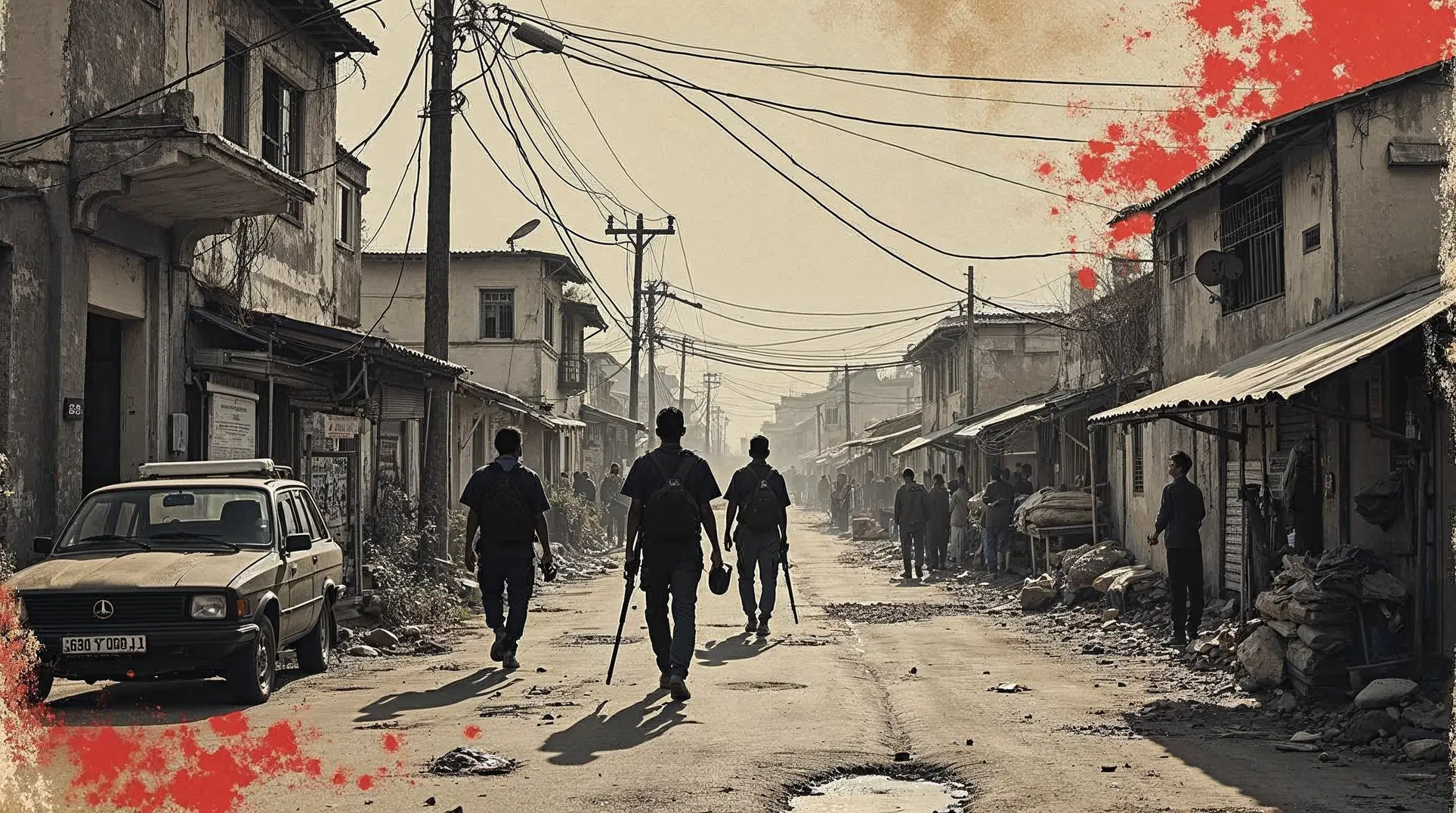
Members are reading: Why the UN's new Gang Suppression Force confronts an impossible mission—security operations without a state to secure.
The multilateral mirage
The international community's response follows a familiar pattern: acknowledging crisis while revealing institutional paralysis. The GSF represents escalation, yet retains the same fundamental limitation of previous missions—external forces cannot substitute for absent governance.
Haiti needs simultaneous state-building on an unprecedented scale: judicial reconstruction, economic development that provides alternatives to gang employment, political settlement among competing factions, and security sector reform that goes beyond training to address the systemic corruption that makes police ineffective. The GSF mandate encompasses none of this.
The helicopter burning in Croix des Bouquets offers a more honest assessment than any UN resolution. It shows a state that cannot hold ground, secure assets, or project authority beyond individual operations. Until international strategy addresses governance collapse—not just gang violence—each new mission will confront the same reality: you cannot restore order to a state that has already failed.
The question facing policymakers is whether to recognize this reality and pursue comprehensive state reconstruction, or continue security-first interventions that treat symptoms while underlying institutional rot deepens.
Subscribe to our free newsletter to unlock direct links to all sources used in this article.
We believe you deserve to verify everything we write. That's why we meticulously document every source.


