


The European Union is poised to list Iran's Islamic Revolutionary Guard Corps as a terrorist organisation following a critical shift in position by France and Spain, the bloc's foreign policy chief Kaja Kallas confirmed on Tuesday. The designation is expected to be discussed by the Foreign Affairs Council on January 29th as part of broader foreign policy considerations, marking a decisive break from the EU's previous restraint and aligns Brussels more closely with sanctions frameworks already in place in the United States, Canada, and Australia.
The move comes as European capitals increasingly view Iran's regional activities—particularly its provision of drones and ballistic missiles to Russia for use in Ukraine—as an immediate security threat rather than a distant Middle Eastern concern. The unanimous vote required for the designation appeared blocked until recent days, when Paris and Madrid withdrew longstanding objections rooted in concerns about diplomatic blowback and the fate of nuclear negotiations.
Diplomatic barriers collapse
France's acquiescence represents the most significant policy reversal. Paris had for years resisted IRGC designation, arguing it would eliminate any remaining diplomatic channel to Tehran and complicate European hostage negotiations. Spain maintained similar reservations, citing its historical role as a mediating power. Both positions dissolved under pressure from eastern European member states, particularly Poland and the Baltic nations, who have led the charge for tougher Iran measures since the full-scale Russian invasion of Ukraine exposed the depth of Tehran-Moscow military cooperation.
The legal framework for the listing draws on established EU counterterrorism statutes, enabling asset freezes and travel bans on IRGC commanders and entities. European intelligence assessments cited by Kallas emphasize the IRGC's Quds Force operations across the continent, including alleged assassination plots targeting Iranian dissidents in France, Germany, and the Netherlands. The 2022-2023 crackdown on domestic protests in Iran, in which the IRGC played a central enforcement role, provided additional justification for member states previously reluctant to escalate.
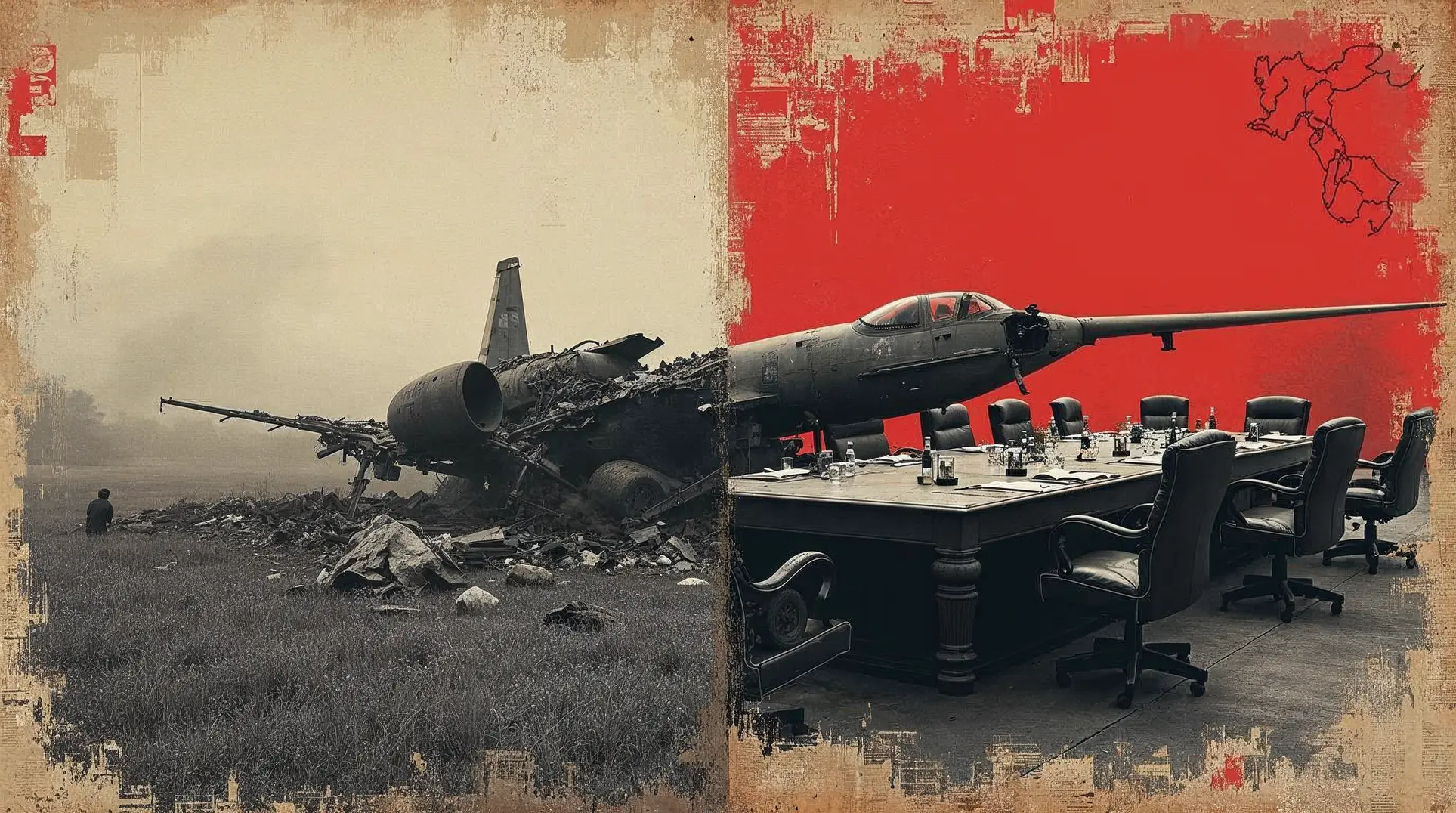
Members are reading: How the IRGC designation constrains future EU diplomacy and positions Brussels for potential US-Iran escalation scenarios.
The European Union's decision to designate the IRGC as a terrorist organisation will formalize a sanctions architecture years in development but previously stalled by internal divisions. The unanimous vote threshold, once an insurmountable obstacle, now appears secured through Franco-Spanish capitulation to the eastern European consensus. Tehran has already signaled its intent to respond, though the precise mechanisms remain unclear. For the EU, the designation represents a bet that hard power alignment with Washington serves European security better than preserving diplomatic independence on Iran—a calculation that reflects how fundamentally the war in Ukraine has reshaped the bloc's threat assessment.
Subscribe to our free newsletter to unlock direct links to all sources used in this article.
We believe you deserve to verify everything we write. That's why we meticulously document every source.


