


Ethiopia has formally accused Eritrea of "outright aggression" and supporting armed groups within Ethiopian territory, marking the sharpest deterioration in bilateral relations since the two nations fought together against Tigrayan forces less than three years ago. In a letter dated February 7, 2026, Ethiopia's Foreign Minister demanded the immediate withdrawal of Eritrean troops and an end to support for rebel factions, according to documents verified by the Ethiopian foreign ministry and seen by Reuters.
The diplomatic protest represents a significant escalation from periodic border tensions to an official characterization of Eritrean actions as military aggression. Ethiopia's letter couples its demands with a conditional offer: dialogue on Addis Ababa's longstanding demand for sea access, but only if Asmara complies with the withdrawal conditions first. This combination of ultimatum and negotiation reflects the dual pressures driving the confrontation—Ethiopia's strategic need for maritime access and the unraveling of military cooperation that defined their recent alliance.
From alliance to accusation
The speed of the relationship's decay is remarkable even by the volatile standards of the Horn of Africa. In 2018, Ethiopian Prime Minister Abiy Ahmed and Eritrean President Isaias Afwerki ended two decades of hostility stemming from their 1998-2000 border war, a reconciliation that earned Abiy the Nobel Peace Prize. That rapprochement evolved into active military coordination during Ethiopia's Tigray conflict from 2020 to 2022, when Eritrean forces fought alongside Ethiopian federal troops against the Tigray People's Liberation Front.
The 2022 Cessation of Hostilities Agreement that ended the Tigray war, however, excluded Eritrea from formal negotiations. This exclusion has proven consequential. Ethiopia now accuses Eritrea of backing the same Tigrayan forces both nations previously designated as enemies—a realignment that underscores how quickly tactical partnerships dissolve when underlying strategic interests diverge. Eritrea has not formally responded to the latest accusations, though Asmara has previously denied similar claims and accused Ethiopia of fabricating pretexts for military action.
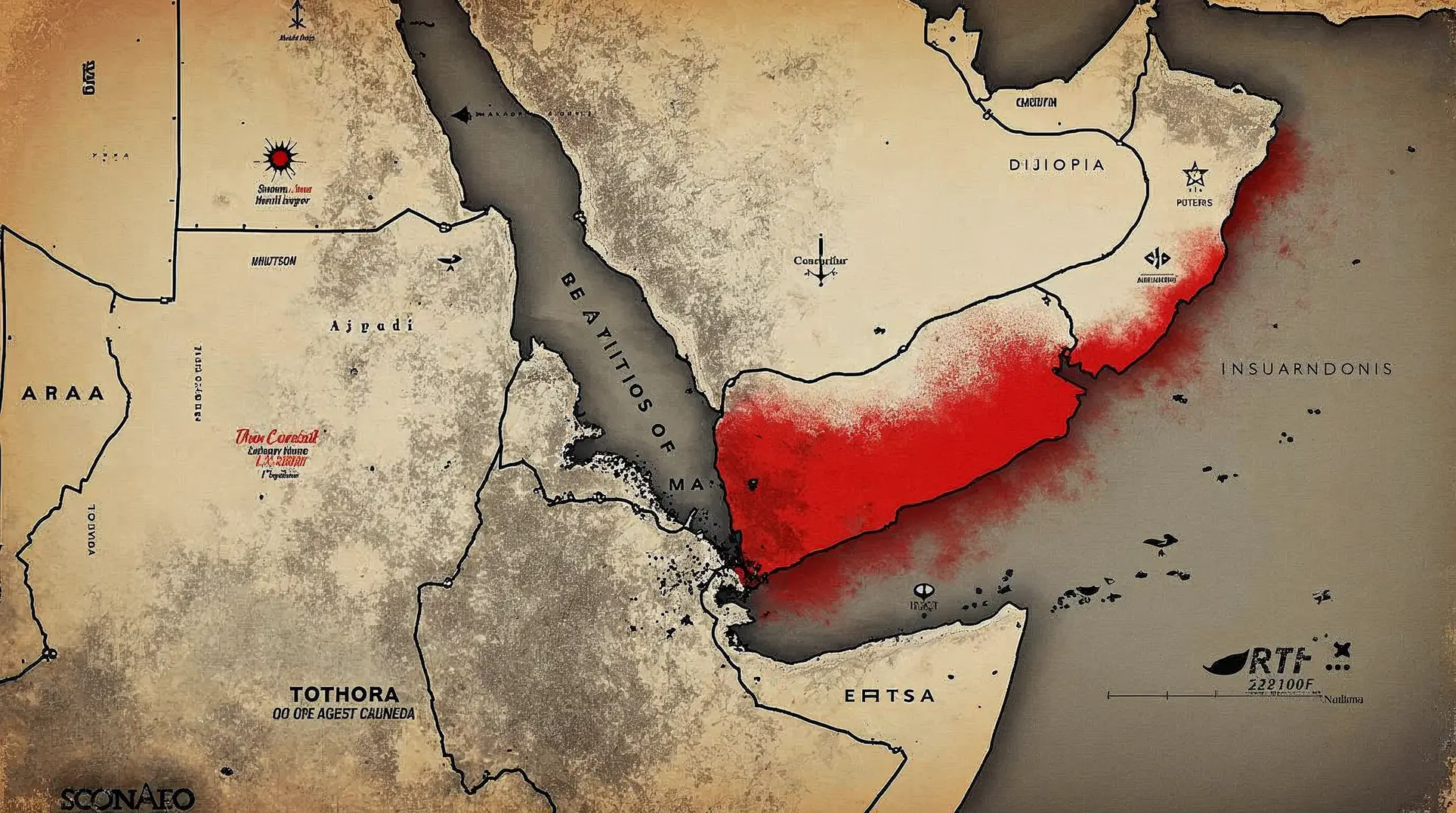
Members are reading: How Ethiopia's maritime imperative is creating a diplomatic trap with only military outcomes.
Regional implications and conflict risk
The Ethiopia-Eritrea confrontation unfolds against a broader landscape of Horn of Africa instability, where proxy conflicts and shifting alliances have become endemic. Eritrea's alleged support for armed groups within Ethiopia—if substantiated—would mirror dynamics observed in Sudan, where external actors have armed proxy forces to devastating humanitarian effect. The pattern of states backing insurgent forces in neighboring territories has produced cascading displacement and civilian casualties across the region.
Ethiopia's diplomatic protest also carries risks of miscalculation. If Asmara interprets the ultimatum as preparation for military action rather than genuine negotiation, President Isaias may choose preemptive mobilization or intensified support for Ethiopian opposition groups. Both nations maintain substantial military forces hardened by recent conflict experience, and both governments face domestic pressures that could make conflict appear preferable to perceived capitulation.
The international community's capacity to mediate appears limited. The African Union and regional mechanisms have struggled to address the Sudan crisis and other conflicts, while European focus on Middle Eastern security threats may limit attention to the Horn. The absence of an effective diplomatic framework increases the likelihood that the current exchange of accusations could escalate through miscalculation rather than strategic choice.
Conclusion
Ethiopia's formal accusation of Eritrean aggression represents more than bilateral dispute—it reflects the collision of incompatible strategic imperatives. Addis Ababa's need for maritime access confronts Asmara's refusal to compromise on territorial sovereignty, while the collapse of their Tigray-era alliance removes the shared enemy that temporarily bridged those differences. The conditional nature of Ethiopia's dialogue offer suggests either sophisticated diplomacy or the construction of justification for future coercion.
Whether this crisis produces negotiated compromise or military escalation will depend on calculations in both capitals about which outcome serves their interests. The historical pattern suggests pessimism: the 1998-2000 war demonstrated both nations' willingness to accept enormous costs in blood and treasure for marginal territorial gains. The current confrontation carries similar risks, with the added volatility of domestic political pressures and regional proxy dynamics that could transform bilateral dispute into broader conflict.
Subscribe to our free newsletter to unlock direct links to all sources used in this article.
We believe you deserve to verify everything we write. That's why we meticulously document every source.


