


Rescue workers continued pulling bodies from the ruins of two collapsed residential buildings in the Lebanese city of Tripoli on Monday, as the death toll climbed to 13 and officials warned more victims remained trapped beneath tons of concrete and steel. The structures gave way Sunday in Bab al-Tabbaneh, one of the city's most impoverished neighborhoods, marking the second fatal building collapse in Tripoli within weeks.
The tragedy has thrust Lebanon's chronic infrastructure crisis back into sharp focus, with local officials acknowledging they lack the capacity to address the scale of structural decay across the city. At least nine survivors have been extracted from the debris, but rescue operations remained active as families waited for news of missing relatives. The rising death toll underscores what Lebanese Prime Minister Nawaf Salam termed "accumulated neglect"—a systemic failure that has left thousands living in buildings officials know to be unsafe.
Latest situation update
Tripoli Mayor Abdel Hamid Karimeh declared the city a "disaster-stricken city" following Sunday's collapse, explicitly stating the situation exceeds "the capabilities of the Tripoli municipality." The two adjoining buildings in Bab al-Tabbaneh crumbled without warning, trapping residents in a neighborhood already struggling with poverty and state abandonment. Emergency crews worked through the night, using heavy machinery and manual excavation to reach potential survivors.
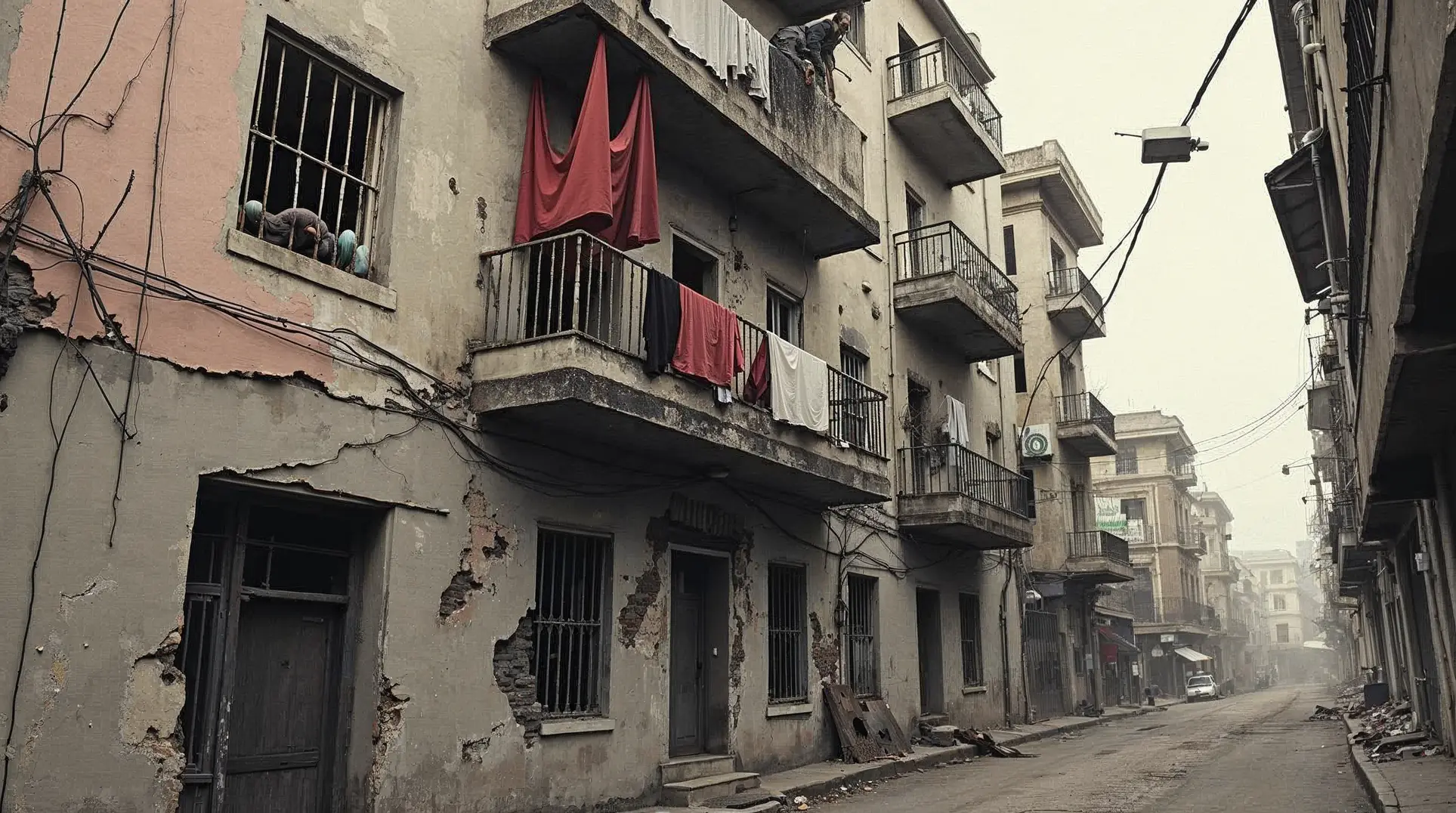
The location is significant. Bab al-Tabbaneh has long been a focal point of sectarian tension and economic marginalization in Lebanon's second-largest city. The victims of this collapse represent the population segments most vulnerable to state failure—those who cannot afford to leave structurally compromised buildings because no alternatives exist. This is not an isolated incident but part of a documented pattern. Similar infrastructure disasters have plagued communities across resource-strained regions, where state capacity has effectively collapsed.
Members are reading: How Tripoli's infrastructure failures could trigger cascading evacuations and deepen sectarian resource tensions.
The Tripoli collapse is not a natural disaster but a policy outcome—the physical manifestation of a state that has withdrawn from its most basic obligations to protect citizens. As rescue teams continue their grim work, the death toll serves as a metric of abandonment. Lebanon's economic and political crisis, now in its sixth year, has moved beyond financial abstraction. It is now measurable in bodies pulled from rubble in neighborhoods where the state's presence has effectively ceased, except in the form of emergency crews arriving after buildings fall. The question is not whether more structures will collapse, but when, and how many more will die before systemic intervention becomes possible.
Subscribe to our free newsletter to unlock direct links to all sources used in this article.
We believe you deserve to verify everything we write. That's why we meticulously document every source.


