


CIA Director John Ratcliffe held a closed-door meeting with Venezuela's interim president Delcy Rodriguez in Caracas on Thursday, January 15, the New York Times reported, marking the highest-level U.S. contact with Venezuelan authorities since American forces captured Nicolás Maduro. The discussions focused on intelligence cooperation, economic stabilization measures, and counter-narcotics operations.
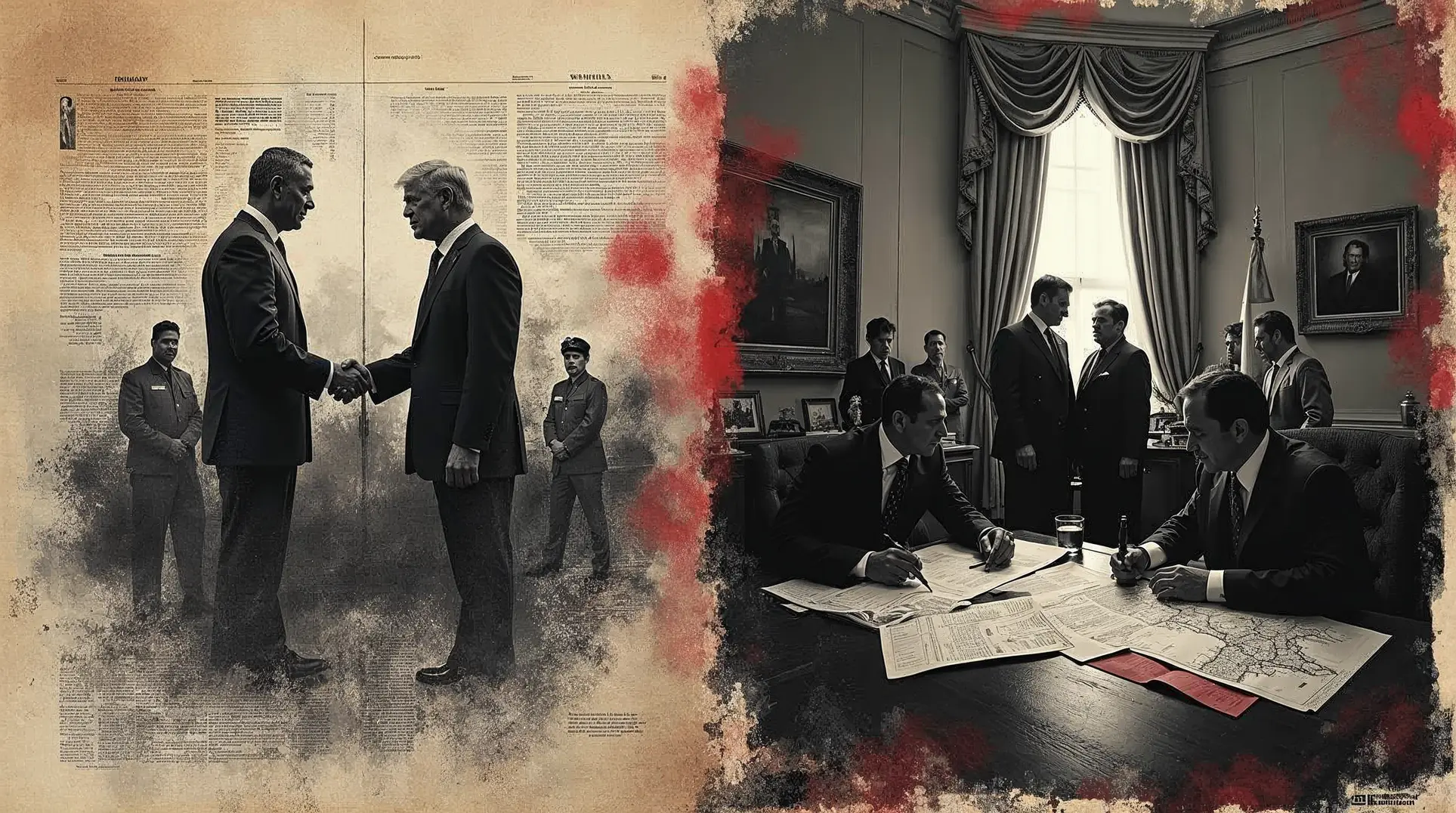
The Ratcliffe-Rodriguez meeting occurred the same day President Trump received opposition leader María Corina Machado at the White House, creating a stark diplomatic dichotomy that reveals Washington's actual priorities in Venezuela. While Machado, a Nobel Peace Prize laureate whose ally Edmundo González contested the 2024 presidential election that Maduro claimed to have won, received symbolic recognition, the operational engagement happened with Rodriguez—a former Chavista official now positioned as interim head of state. This parallel-track diplomacy exposes a classic realpolitik calculation: the U.S. is investing in the interlocutor who can deliver stability and access, not the one who commands democratic legitimacy.
The substance versus the symbolism
The contrast between these two engagements illuminates the Trump administration's true calculus in Venezuela. Machado's White House visit provided the requisite democratic optics—a photo opportunity affirming America's stated commitment to electoral legitimacy and opposition movements. Yet the dispatch of the CIA director to Caracas for substantive negotiations with Rodriguez signals where actual policy weight resides.
According to sources familiar with the Trump administration's Venezuela strategy, Ratcliffe's engagement reflects a broader approach focused on removing Maduro from power and establishing a new U.S. intelligence posture in the region. These are conversations centered on geopolitical control and regional influence rather than conversations about democratic transition timelines or constitutional legitimacy. They are strategic discussions with the entity Washington believes can serve American interests in the region.
The choice of interlocutor is revealing. Rodriguez, as part of the former Chavista apparatus, maintains established relationships with Venezuela's security forces and bureaucratic structures. CIA assessments reportedly conclude that she and the remnants of the regime's institutional framework are better positioned to maintain order and control the military—the critical variable in preventing state collapse or a chaotic power vacuum. Trump himself has privately dismissed Machado as lacking the domestic support necessary to govern effectively, according to sources briefed on his thinking, reflecting a hard-nosed judgment about political viability rather than electoral mandate.
Members are reading: Why Washington consistently chooses manageable authoritarians over unpredictable democrats when core national interests are at stake.
Implications for the Venezuelan transition
The Rodriguez engagement establishes a troubling precedent for Venezuela's political future. If the U.S. continues to invest legitimacy and operational cooperation in the interim government, it effectively undercuts any transition to the democratically-elected opposition. Machado and her allies become symbolic figures rather than functional alternatives, their electoral victory rendered irrelevant by Washington's preference for dealing with the existing power structure.
This approach may deliver short-term stability and secure U.S. access to Venezuelan oil, as explored in the post-Maduro crisis analysis. However, it perpetuates the very dynamic that has plagued Venezuela for decades: external powers selecting leaders based on convenience rather than allowing genuine domestic political competition. The Ratcliffe-Rodriguez meeting is not a transitional arrangement—it is the foundation of a new client relationship, one built on dependency and transactional cooperation rather than democratic accountability. For those who believed the removal of Maduro would lead to genuine democratic restoration, Thursday's parallel diplomacy offers a sobering corrective. In the calculus of great powers, stability and access outweigh legitimacy every time.
Subscribe to our free newsletter to unlock direct links to all sources used in this article.
We believe you deserve to verify everything we write. That's why we meticulously document every source.


