


President Gabriel Boric mobilizes military and all state resources as flames consume southern regions amid extreme heat and high winds
Chilean President Gabriel Boric declared a state of catastrophe in two southern regions early Sunday as rapidly spreading wildfires killed at least 16 people and forced between 20,000 and 50,000 residents to evacuate their homes. The emergency decree for Ñuble and Biobío regions, located approximately 500 kilometers south of Santiago, grants the government sweeping powers to mobilize military assets and override normal administrative procedures to combat the advancing flames.
The death toll, concentrated primarily in Biobío, comes as firefighters battle 24 active wildfires across the country under conditions described by authorities as exceptionally dangerous. Temperatures reaching 38°C (100°F) combined with strong winds have accelerated fire spread, overwhelming initial containment efforts and triggering Chile's most significant wildfire emergency response since the devastating 2017 blazes.
Devastation across southern regions
The fires have destroyed more than 250 homes and consumed approximately 8,500 hectares—equivalent to 33 square miles—according to Chile's National Forestry Corporation (CONAF). The coastal communities of Penco and Lirquén emerged as primary evacuation zones, with Security Minister Luis Cordero confirming that emergency shelters have been established to accommodate displaced residents.
National Emergency Service (Senapred) officials reported that evacuation numbers continue to fluctuate as new areas face threat from shifting wind patterns. The uncertainty reflects the dynamic nature of the crisis, with some residents receiving evacuation orders multiple times as fire fronts change direction.
Military deployment escalates response
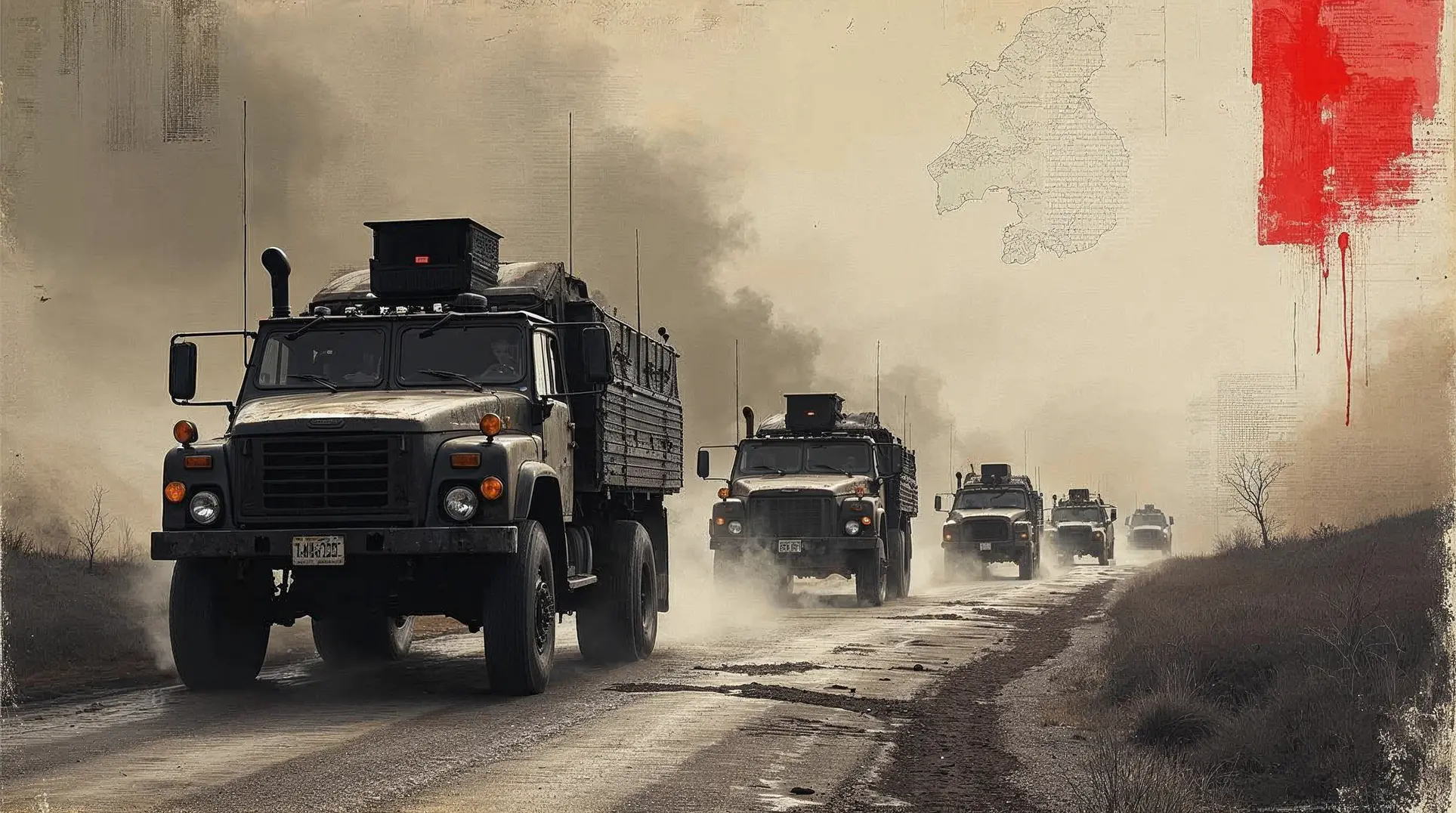
President Boric's catastrophe declaration immediately activates military units to support civilian firefighting teams and police forces. The measure allows for rapid resource redeployment, emergency procurement of equipment, and establishment of exclusion zones without standard bureaucratic delays. Armed forces personnel are being deployed for logistics support, evacuation coordination, and establishment of firebreaks in threatened areas.
The government response comes as Chile experiences a broader heatwave affecting both the country and neighboring Argentina, creating tinder-dry conditions across the Southern Cone region. Meteorological services have issued red alerts for extreme fire danger across multiple provinces.
Members are reading: Why the next 48 hours will determine if this becomes Chile's worst fire disaster in a decade
Outlook
The state of catastrophe grants President Boric extraordinary powers, but the effectiveness of Chile's response ultimately depends on weather conditions beyond government control. With temperatures expected to remain elevated and winds continuing through Monday, the death toll and displacement figures are likely to rise. Authorities have urged residents in affected regions to monitor emergency broadcasts and prepare for potential evacuation orders as the situation continues to develop.
Subscribe to our free newsletter to unlock direct links to all sources used in this article.
We believe you deserve to verify everything we write. That's why we meticulously document every source.


