


Cameroon's foreign affairs ministry confirmed the deaths of 16 of its nationals fighting for Russia in Ukraine. The diplomatic note to the Russian Embassy in Yaoundé marks the first time the government has officially acknowledged specific fatalities, moving beyond the unofficial reports and family testimonies that have circulated for months. The ministry referred to the deceased as "military contractors" and stated it is making "necessary arrangements" to contact families. A separate message invited families of six other Cameroonian nationals in Russia to address "urgent matters," suggesting additional casualties or complications.
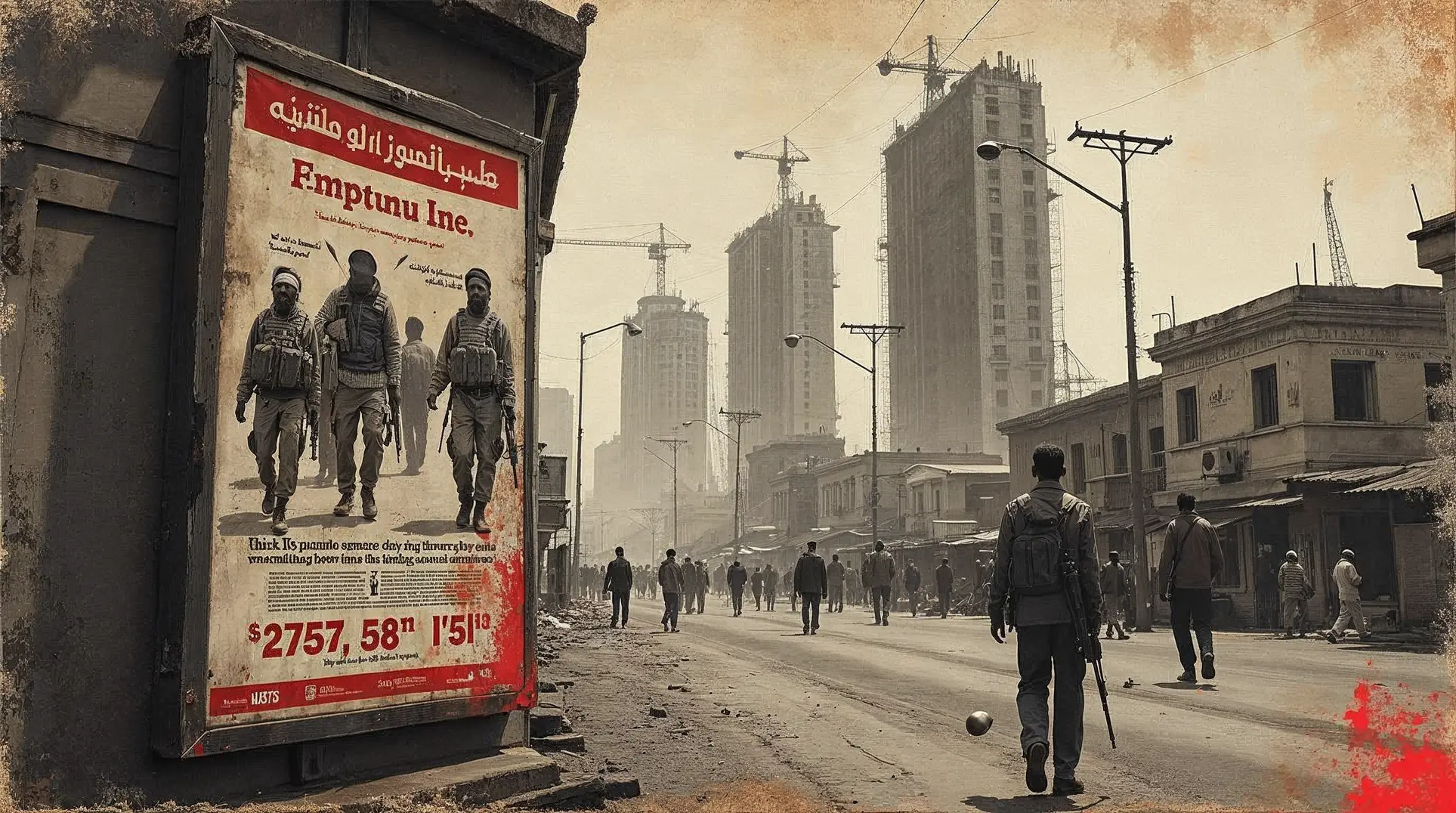
The confirmation brings into sharp relief a pattern documented across multiple African nations: economically vulnerable populations, including military veterans and unemployed youth, are being recruited into foreign wars through deceptive promises of security work. Earlier investigations indicated the death toll among Cameroonians may be significantly higher than the official figure, with estimates ranging from 94 to 100 fatalities out of approximately 335 recruits. Ukraine estimates over 1,700 Africans have been recruited by Russia, with Kenya alone reporting 1,000 citizens lured under false pretenses.
Economic desperation fuels recruitment
The recruitment infrastructure operates through social media platforms and intermediaries promising monthly salaries of up to €2,000—approximately ten times the average local wage in countries like Cameroon. For military veterans living on pensions between $200 and $400 monthly, and for unemployed youth facing minimal economic prospects, these offers represent not merely income but survival. The model mirrors deceptive recruitment patterns documented in Colombia, where vulnerable workers are funneled into global mercenary networks through fraudulent job advertisements promising security positions in the UAE.
Cameroon's defense minister issued warnings in March 2025 against defections, and the government maintains it does not officially deploy troops abroad outside international mandates. Yet the warnings have proven insufficient to stem the flow of recruits. The structural conditions that make these offers attractive—high unemployment, inadequate veteran support systems, and limited economic opportunity—remain unaddressed. Telling desperate individuals to reject dangerous opportunities does not create viable alternatives.
Members are reading: Why economic inequality and post-colonial power dynamics make African citizens uniquely vulnerable to exploitation as expendable labor in great power conflicts.
Accountability and legal protections remain absent
The ambiguous legal status of these "military contractors" strips them of protections afforded to regular combatants under international law. They are not officially part of Russia's armed forces, yet they fight in Russian operations. If captured, they face prosecution as unlawful combatants or mercenaries, categories that provide minimal legal protection. International humanitarian law distinguishes between lawful combatants and mercenaries, with the latter excluded from prisoner-of-war status.
Cameroon's approval of a UN convention against mercenary activities in December 2025 provides a legal framework but offers little practical protection for citizens already deployed or future recruits facing similar economic pressures. The convention criminalizes recruitment, training, and use of mercenaries, but enforcement depends on domestic capacity that many African states lack. Legal frameworks that do not address the economic conditions enabling recruitment function primarily as symbolic gestures.
Accountability mechanisms are similarly absent. Russian authorities are unlikely to investigate abuses of foreign fighters. Cameroonian law enforcement lacks jurisdiction over crimes committed abroad. The private military companies and intermediaries facilitating recruitment operate across multiple jurisdictions, dissolving when scrutiny increases and reemerging under different names. Families of the deceased have no recourse, no body to bury in many cases, and no government capable of demanding answers.
Forward implications
The official confirmation from Cameroon may prompt other African governments to acknowledge similar casualties, though political incentives to do so remain weak. Admitting that citizens are dying in foreign wars for which the state bears no official responsibility raises uncomfortable questions about governance failures and economic inadequacies. Yet the alternative—continued silence—allows the exploitation to persist unchallenged.
The broader trajectory suggests this recruitment model will expand rather than contract. As long as economic desperation exists in African nations and as long as great powers require expendable combat personnel for proxy conflicts, the market for African military labor will persist. Addressing this requires confronting the structural inequalities that make exploitation possible: inadequate veteran reintegration programs, youth unemployment, governance vacuums, and the post-colonial economic relationships that perpetuate dependency.
Until African governments can provide economic alternatives that make refusing predatory recruitment offers viable, warnings will continue to document a crisis they cannot resolve. The question is not whether citizens understand the risks—many do—but whether states will create conditions where survival does not require accepting them.
Subscribe to our free newsletter to unlock direct links to all sources used in this article.
We believe you deserve to verify everything we write. That's why we meticulously document every source.


