


The scenes on Tehran's Saadi Street and near the Grand Bazaar on Monday carried a bitter historical irony. Merchants and shopkeepers, whose strikes and protests helped topple the Shah in 1979, now face riot police tear gas for demonstrating against the Islamic Republic they helped install. The immediate trigger—the rial's catastrophic plunge to 1,445,000 against the dollar and Central Bank Governor Mohammad Reza Farzin's resignation—masks a more dangerous reality: Iran's commercial class is signaling a fundamental break with the regime's economic stewardship.
This is not merely another episode of street anger over inflation, though with food prices surging 72 percent annually and overall inflation at 42.2 percent, Iranians have ample reason for fury. The participation of the Bazaari merchant class transforms these protests from predictable economic grievance into a structural challenge to the Islamic Republic's foundational coalition. When the Grand Bazaar closes its shutters in protest, the regime faces something far more threatening than dissent—it confronts a crisis of legitimacy among its erstwhile kingmakers.
The architecture of economic collapse
The rial's freefall is the visible manifestation of compounding structural failures. U.S. sanctions, particularly the "maximum pressure" campaign targeting Iran's oil exports and banking sector, have systematically strangled the formal economy. But external pressure alone cannot explain the depth of this crisis. Decades of economic mismanagement, rent-seeking by state institutions and Revolutionary Guard-linked enterprises, and a catastrophic energy crisis have created conditions where the currency becomes what Iranian state media itself admits is "a symbol of lost confidence."
That admission reveals the psychological dimension of economic catastrophe. Currency values reflect not just trade balances and interest rates, but collective trust in institutions. When the Central Bank governor resigns amid a currency collapse, when President Masoud Pezeshkian publicly blames previous governments for "destroying trust," the state essentially confirms its own incompetence. The Iranian government has lost control not just of monetary policy but of the narrative itself.
The energy crisis adds another layer of systemic failure. Iran, sitting atop some of the world's largest hydrocarbon reserves, has imposed rolling blackouts and natural gas rationing. This failure to convert resource wealth into reliable infrastructure exposes the hollowness of the state's economic model. External pressure from Israeli military threats and potential U.S.-backed strikes compounds internal dysfunction, creating a vise that squeezes the economy from multiple directions.
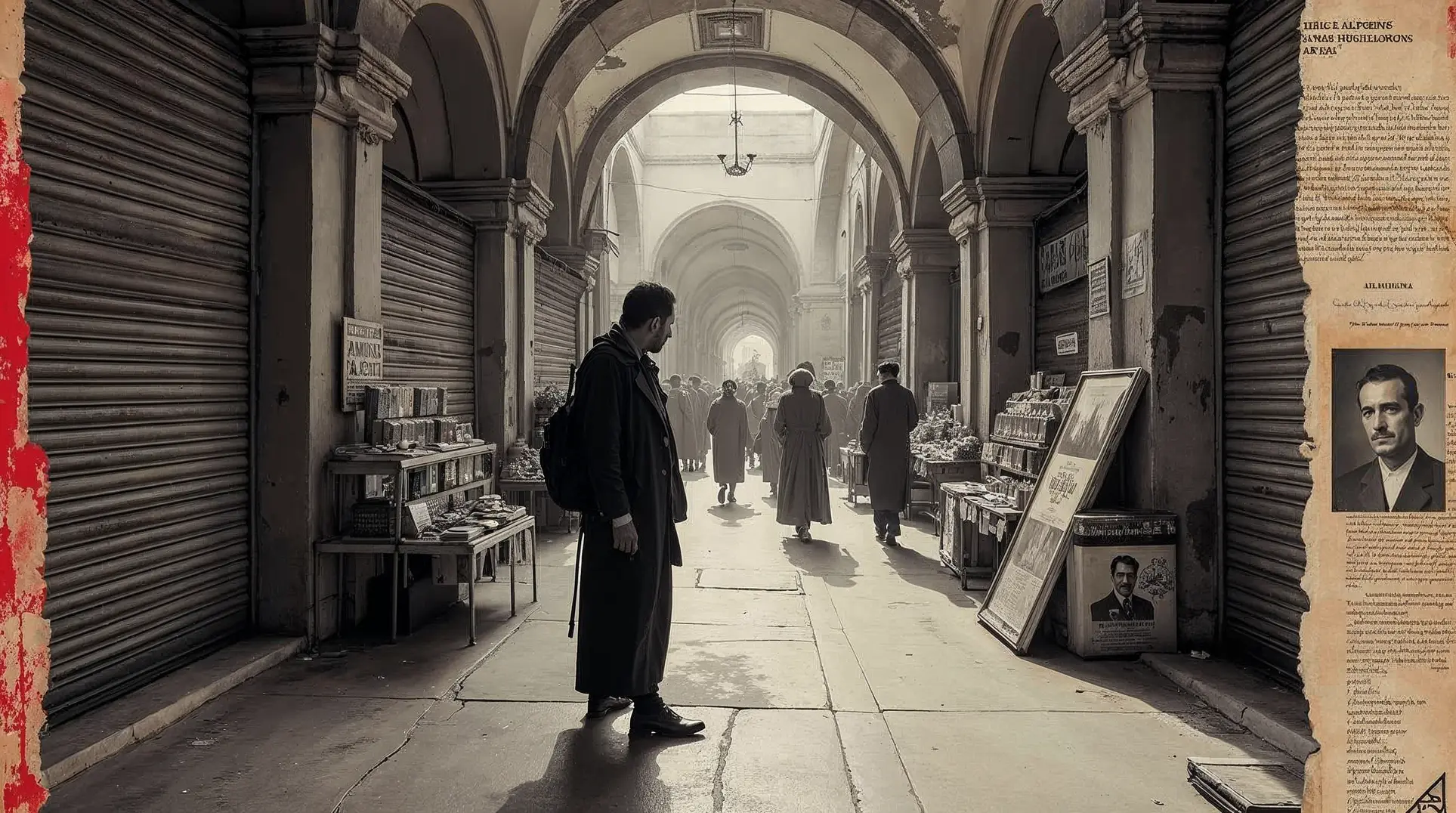
Members are reading: How the merchant class revolt echoes 1979 and threatens the regime's foundational coalition beyond what street protests could achieve.
The confidence trap and regime futures
The state's admission that the dollar represents "lost confidence" identifies the real battleground. Economic stabilization requires restoring trust in institutions—precisely what decades of sanctions, mismanagement, and energy failures have destroyed. The regime faces a paradox: ending the crisis requires policy shifts that would undermine the ideological commitments justifying its existence.
Meaningful sanctions relief demands nuclear concessions the political system cannot easily accommodate. Fixing the energy infrastructure requires investment capital that sanctions block and competent management that patronage systems preclude. Restoring merchant confidence would require subordinating Revolutionary Guard economic interests to commercial rationality—a political impossibility. The regime has constructed a system where survival imperatives contradict stabilization requirements.
The Bazaar protests signal that the Islamic Republic's founding coalition is fracturing under the weight of accumulated failures. Whether this translates into regime-threatening instability depends on factors beyond economics—coercive capacity, elite cohesion, external pressures. But when the merchants who helped make the revolution take to the streets against its architects, the state confronts a crisis of legitimacy that no currency intervention can resolve. The rial's collapse measures more than exchange rates; it quantifies the erosion of trust in a system that has systematically betrayed the commercial interests of its erstwhile allies.
Subscribe to our free newsletter to unlock direct links to all sources used in this article.
We believe you deserve to verify everything we write. That's why we meticulously document every source.


