


Key takeaways
- At least 15 civilians and cattle keepers were killed in Bol Bol Boma, Warrap State, local officials told AFP.
- A local official blames SPLA-IO fighters from Unity State; no independent source has confirmed who carried out the attack.
- Warrap violence, including 72 deaths on the Unity border last month, keeps a local explanation open beside the political one.
At least 15 civilians and cattle keepers were killed in an attack on Bol Bol Boma, in Tonj East County, Warrap State, northwestern South Sudan, AFP (Agence France-Presse) reported, citing local authorities. The attack began late on Saturday. Tonj East caretaker commissioner Machuei Bith said the area had been under attack since 22:00. AFP said the toll was likely to rise.
A local police officer, speaking to AFP on condition of anonymity, confirmed the account. He said fighting was still under way on Sunday morning. Bith blamed fighters from neighbouring Unity State who belong to the Sudan People's Liberation Army-in-Opposition (SPLA-IO), the armed group loyal to former First Vice-President Riek Machar. Neither the toll nor the attackers' identity has been independently verified.
What local officials told AFP
Bith gave AFP the casualty figures. "Fifteen civilians and cattle keepers were killed and four armed attackers with SPLA-IO uniforms were also killed," he said. In the dispatches, the uniforms are the detail behind his attribution. They describe no other evidence.
The police officer did not give his name. He said further details on casualties would follow. "Further details on casualties from both sides will be shared later on with the media," he said, according to an AFP dispatch from Juba. The Hindu presented the blame as the claim of one official. Both sources are local officials, and one is anonymous.
AFP's dispatches, as carried by outlets on Sunday, contain no statement from the SPLA-IO or from South Sudan's national government on this attack. They carry no account from the United Nations, its mission in South Sudan (UNMISS), aid groups or independent witnesses. They give no names, ages, number of wounded or displacement figures. They do not say what happened to the cattle.
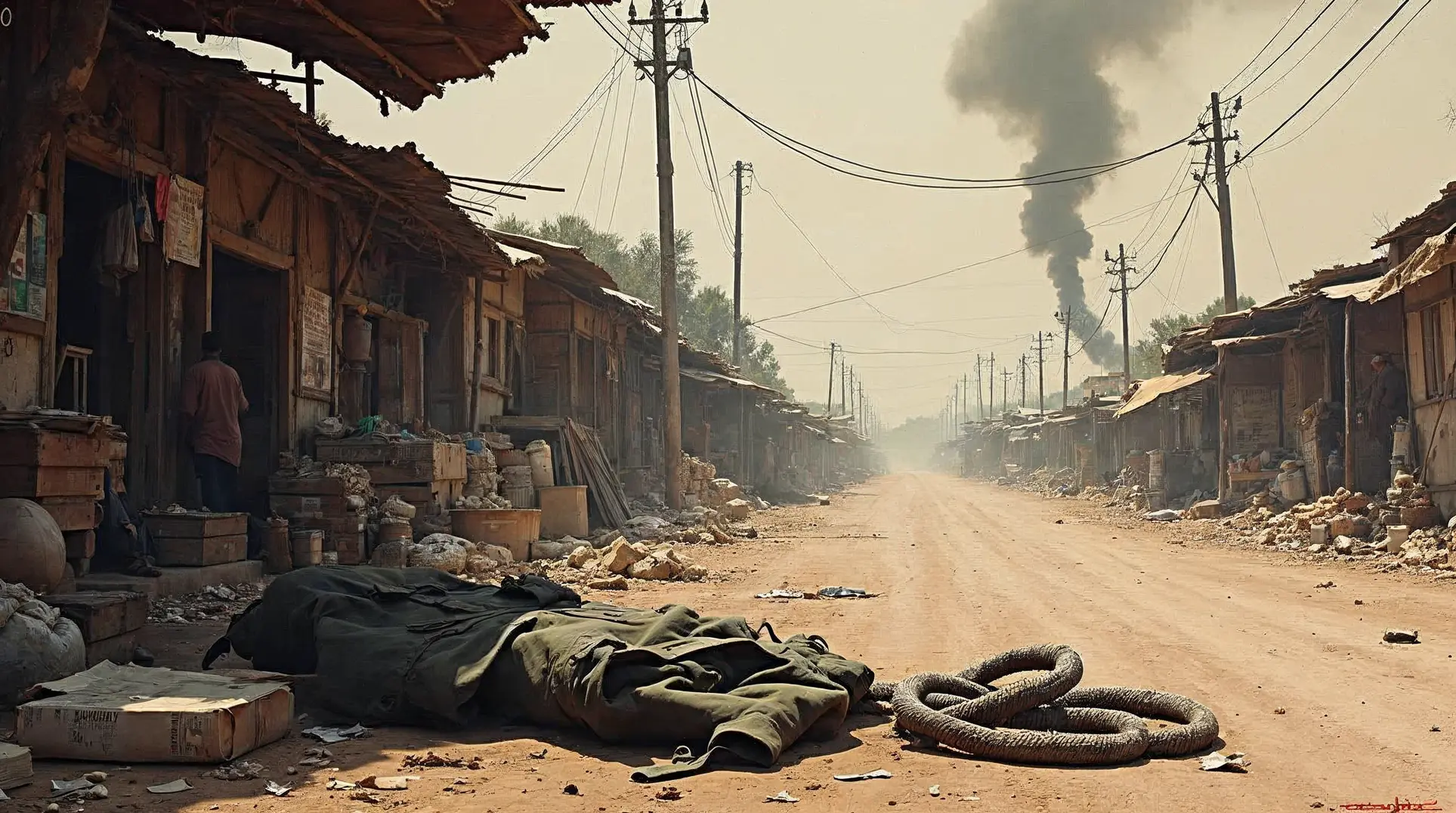
Observers are reading: how a national political label and a local cattle-and-revenge cycle compete as explanations for the Bol Bol Boma attack.
Become an Observer, it's free. Get full access to all Crisis.Zone analysis, briefings and breaking coverage.
What would clarify the picture
Several developments would sharpen the account. Tonj East authorities have said more details on casualties will come, and a revised toll is the first. AFP's dispatches carry no response from the SPLA-IO, so that is the second. A statement from the national government or the United Nations would be the third. Independent confirmation of who the attackers were would matter most.
Until then, the verifiable core is narrow. Local officials say at least 15 civilians and cattle keepers died in an attack on Bol Bol Boma, and one of them blames Unity State fighters of the SPLA-IO. Whichever reading holds, the cost falls on the cattle keepers and their families in Tonj East. They have so far appeared in the reporting only as a number.
Become an Observer (it's free) to unlock direct links to all sources used in this article.
We believe you deserve to verify everything we write. That's why we meticulously document every source.


