


About 400 of France's roughly 3,700 high schools (lycées) were closed on Friday 2 October, according to reported figures. Hundreds more have been disrupted, and 222 were physically blockaded by students on Thursday. The unrest began about ten days earlier at Lycée Saint-Exupéry in Créteil, in the Paris suburbs. It has since spread to cities including Paris, Lille, Lyon, Marseille and Toulouse. Prime Minister Sébastien Lecornu convened an emergency crisis meeting on Thursday 1 October and cancelled ministerial travel.
The protests have turned increasingly violent. Justice Minister Gérald Darmanin put the number of arrests at about 2,000, around 90% of them minors, and said 305 police and emergency personnel had been injured. Education officials counted 170 students and 65 school staff injured, including 40 principals. The government presented its draft 2027 budget on the same Thursday, and its spending cuts are widely described as deeply unpopular. This article asks one question: what are students protesting, and does the government's response, including that budget, address it?
What students say they are protesting
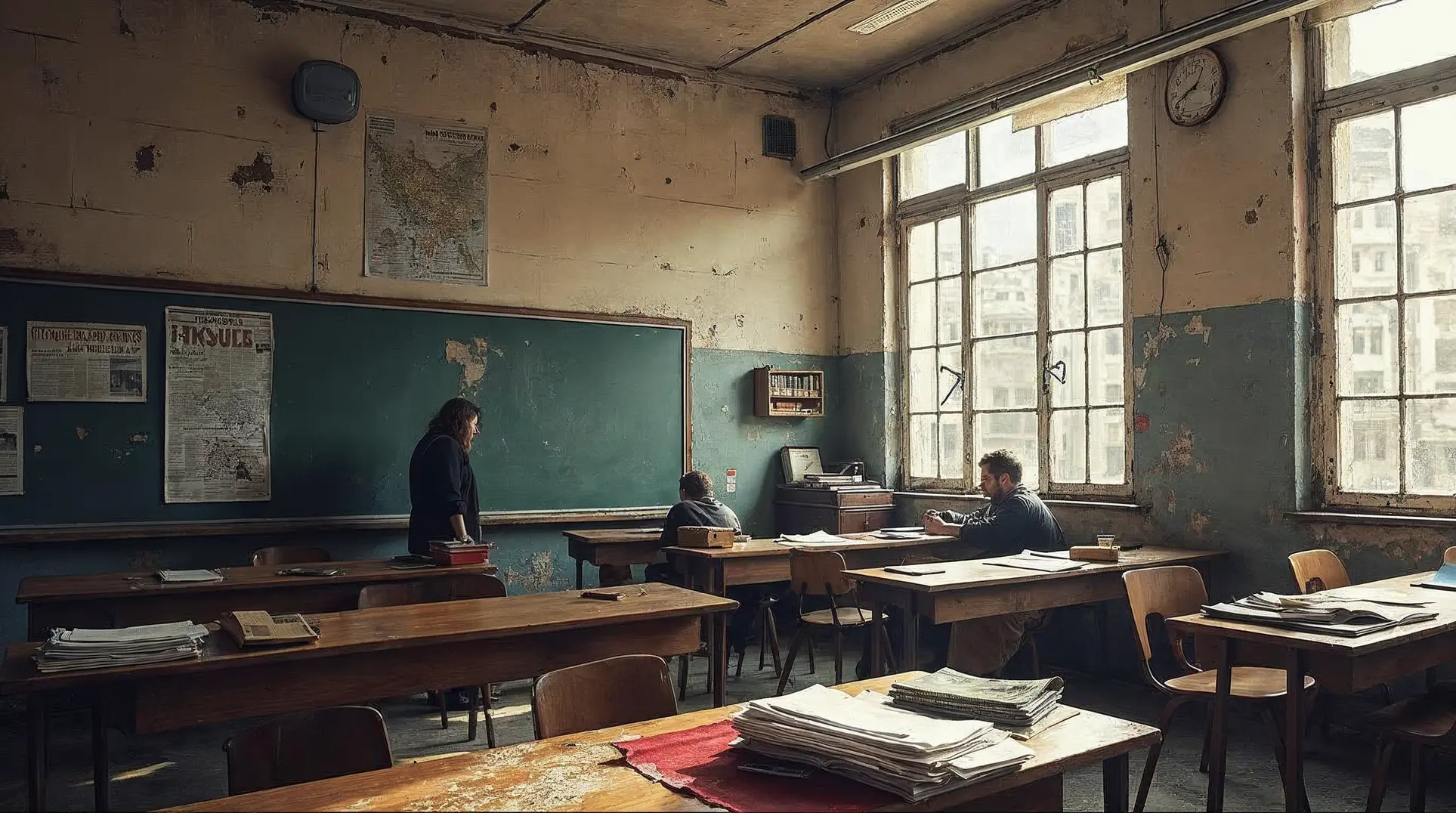
The protests are not tied to a single policy. Students cite teacher shortages, overcrowded classrooms, leaking ceilings, overloaded timetables and heat. "For a whole year, we didn't have a science teacher. We don't have any textbooks," said Simon, 15, outside Turgot high school in central Paris. "We are 35 per class, we don't have enough chairs in classrooms," said Kesia, 15, in Pantin. A placard outside Lycée Voltaire in Paris read: "You don't want to hear our words; you just fire tear gas."
On heat, students describe overheated classrooms after a June heatwave that was linked to thousands of deaths in France. Earlier Crisis.Zone reporting on the first water-bomber deployment near Paris covered the fire risk that came with that heat. Students accuse the state of "disengaging from secondary education".
Education Minister Édouard Geffray has called the grievances "legitimate" while condemning "urban violence". Darmanin said: "We have gone from high-school student demonstrations to a public order disturbance." The budget figures are the other half of the picture. Under the draft, education spending rises 1.7% to €65.53 billion, excluding teacher pensions, while about 1,600 education posts are set to be cut. Debt servicing is expected to reach €74.5 billion.
Observers are reading: Why the budget's headline figures cannot show whether students' specific grievances will be funded, and which cost questions remain open.
Become an Observer — it's free. Get full access to all Crisis.Zone analysis, briefings and breaking coverage.
What to watch next
On the figures published so far, the draft 2027 budget does not visibly answer the grievances students have voiced. It was presented after the unrest had already begun, and its detail may still change. The education line is the first thing to watch.
Student unions have called for a day of mass protest on Tuesday 6 October under the slogan "Police out of schools! No to the repression of student mobilization!" The next test therefore comes within days. The unrest arrives about six months before the 2027 presidential election. President Emmanuel Macron is constitutionally barred from a third consecutive term. Abroad, he is pursuing the nuclear deterrence talks with Germany that Crisis.Zone reported in February, while his government now has a crisis to manage at home.
Whether ministers move from public order measures to resource commitments is not yet known. Any change to the education line, and the turnout and conduct on 6 October, will show which way they are heading.
Become an Observer — it's free — to unlock direct links to all sources used in this article.
We believe you deserve to verify everything we write. That's why we meticulously document every source.


