


U.S. military directive shifts from broad threats to surgical pressure campaign against Maduro regime's revenue lifeline
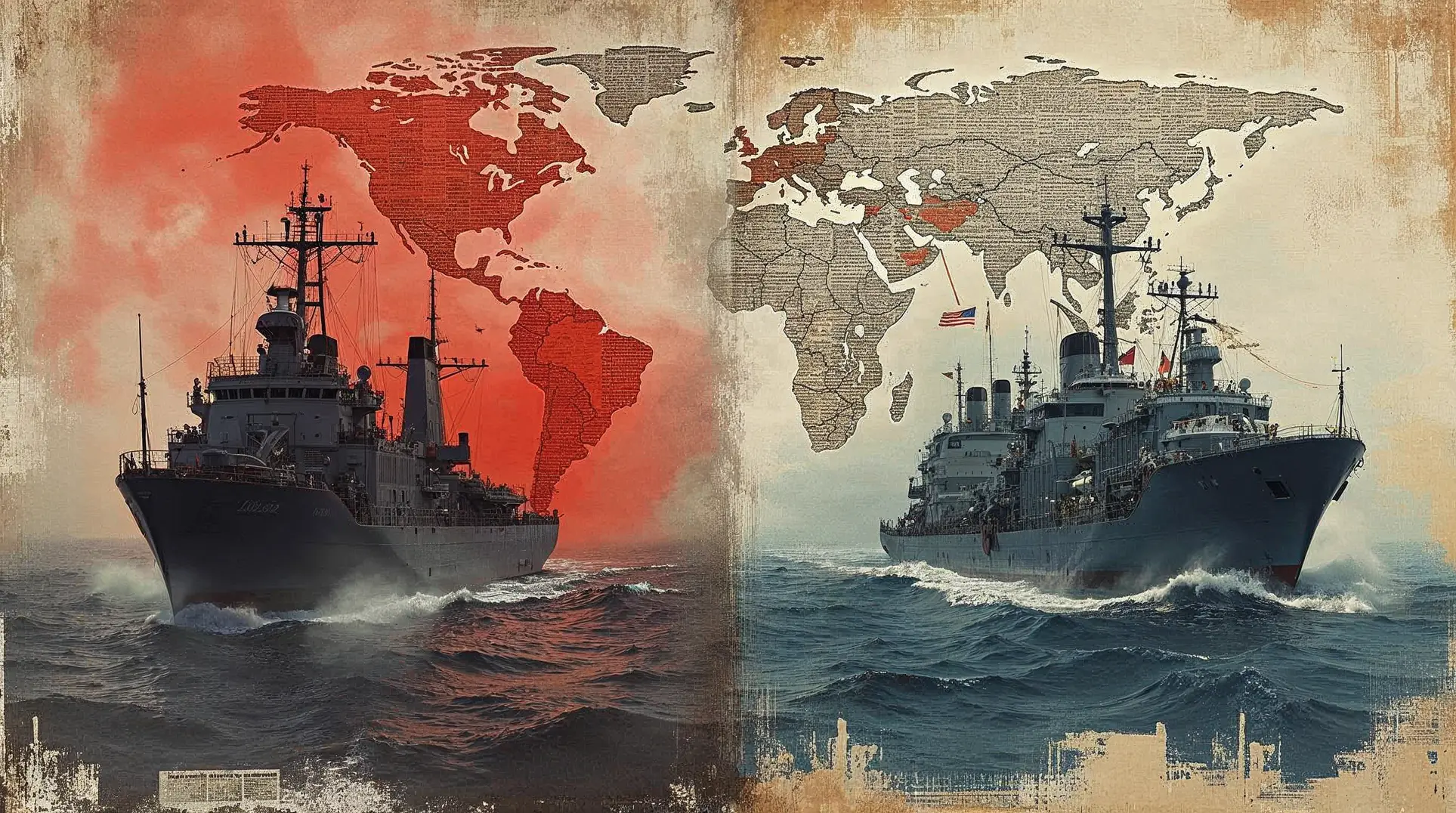
The White House has directed U.S. military forces to focus almost exclusively on enforcing a "quarantine" of Venezuelan oil exports for at least the next two months, according to a U.S. official speaking to Reuters on December 24, 2025. This represents a deliberate strategic pivot from the administration's earlier broad military rhetoric to a more precise form of economic statecraft. The calculus is straightforward: deprive the Maduro regime of its primary revenue source and force either capitulation or collapse by late January.
What makes this directive significant is not the policy objective—Washington has sought regime change in Caracas for years—but the chosen instrument. By concentrating military assets on maritime interdiction rather than maintaining a posture of general coercion, the administration is signaling a shift from threatened force to applied economic warfare. This is coercive diplomacy stripped to its essentials: deliberate, sustained, and designed to inflict maximum economic pain while minimizing the risks of direct military confrontation.
The quarantine mechanism and operational reality
The directive follows President Trump's December 16 announcement of a "blockade" and the subsequent seizure of at least two tankers—the Skipper and the Centuries—with a third vessel, the Bella 1, currently under pursuit. The operational architecture relies heavily on the U.S. Coast Guard's Maritime Security Response Teams, specialized units tasked with the complex and dangerous work of boarding uncooperative vessels on the high seas. This is resource-intensive work for an already under-resourced Coast Guard, suggesting that the two-month timeframe may be as much about operational sustainability as strategic planning.
The legal justification rests on the designation of Maduro's government as a "foreign terrorist organization" involved in narcoterrorism. This framing allows Washington to characterize the maritime interdictions as law enforcement rather than acts of war, a crucial distinction in international law. Yet the operational effect—cutting off a nation's principal export commodity through naval power—walks a razor-thin line between sanctions enforcement and blockade.
Members are reading: How the quarantine-blockade distinction creates a dangerous precedent for great power competition, particularly regarding Taiwan.
Measuring success and failure indicators
The key metrics over the next two months are straightforward: the volume of Venezuelan oil reaching international markets, the regime's foreign currency reserves, and any signs of fracture within Maduro's ruling coalition. Secondary indicators include the diplomatic responses from major oil importers, particularly China and India, and whether neutral maritime states begin challenging U.S. interdiction authority in international forums.
The realist assessment is clinical. Economic warfare through maritime interdiction can be effective against isolated, economically fragile states with single-commodity export dependence. Venezuela meets all three criteria. But effectiveness and sustainability are different questions. The U.S. is wagering that concentrated pressure over a short window will yield political results before operational costs, diplomatic blowback, or great power friction become unmanageable. That is a gamble, not a certainty. The next eight weeks will reveal whether Washington has correctly calculated Maduro's breaking point—or whether it has simply handed Moscow and Beijing another opportunity to demonstrate that U.S. unilateral enforcement has limits the international system will not indefinitely tolerate.
Subscribe to our free newsletter to unlock direct links to all sources used in this article.
We believe you deserve to verify everything we write. That's why we meticulously document every source.


