


The United Nations Office in Haiti reported Thursday a provisional death toll of at least 78 people killed in gang clashes in the communes of Cite Soleil and Croix-des-Bouquets since Saturday. Among the dead are 10 bystanders, including five men, four women, and a young girl. An additional 66 people were wounded, according to the UN mission (BINUH).
The violence in Port-au-Prince's suburban communes has displaced approximately 5,300 people since the weekend. Medical facilities have been forced to suspend operations, with Doctors Without Borders (MSF) evacuating staff after treating 40 gunshot victims in less than 12 hours. A hospital in the affected area has also ceased operations, leaving residents without emergency medical access in the midst of active combat.
Repeated pattern in same territories
The same communes experienced similar violence in March and April, displacing nearly 8,000 people. BINUH previously reported 305 killed and 277 wounded in Cite Soleil and Croix-des-Bouquets between March 5 and May 11, with 63 residents among the fatalities. The recurrence of mass-casualty events in these specific territories indicates not isolated incidents but systematic territorial contestation between armed groups operating with impunity.
Several families remain trapped in affected neighborhoods, unable to evacuate due to active clashes. The pattern reflects how gang control transforms entire residential zones into combat theaters where civilian presence becomes incidental to armed groups' strategic objectives. The confirmed death of bystanders, including a child, underscores the complete erosion of any distinction between combatants and residents in gang-controlled areas.
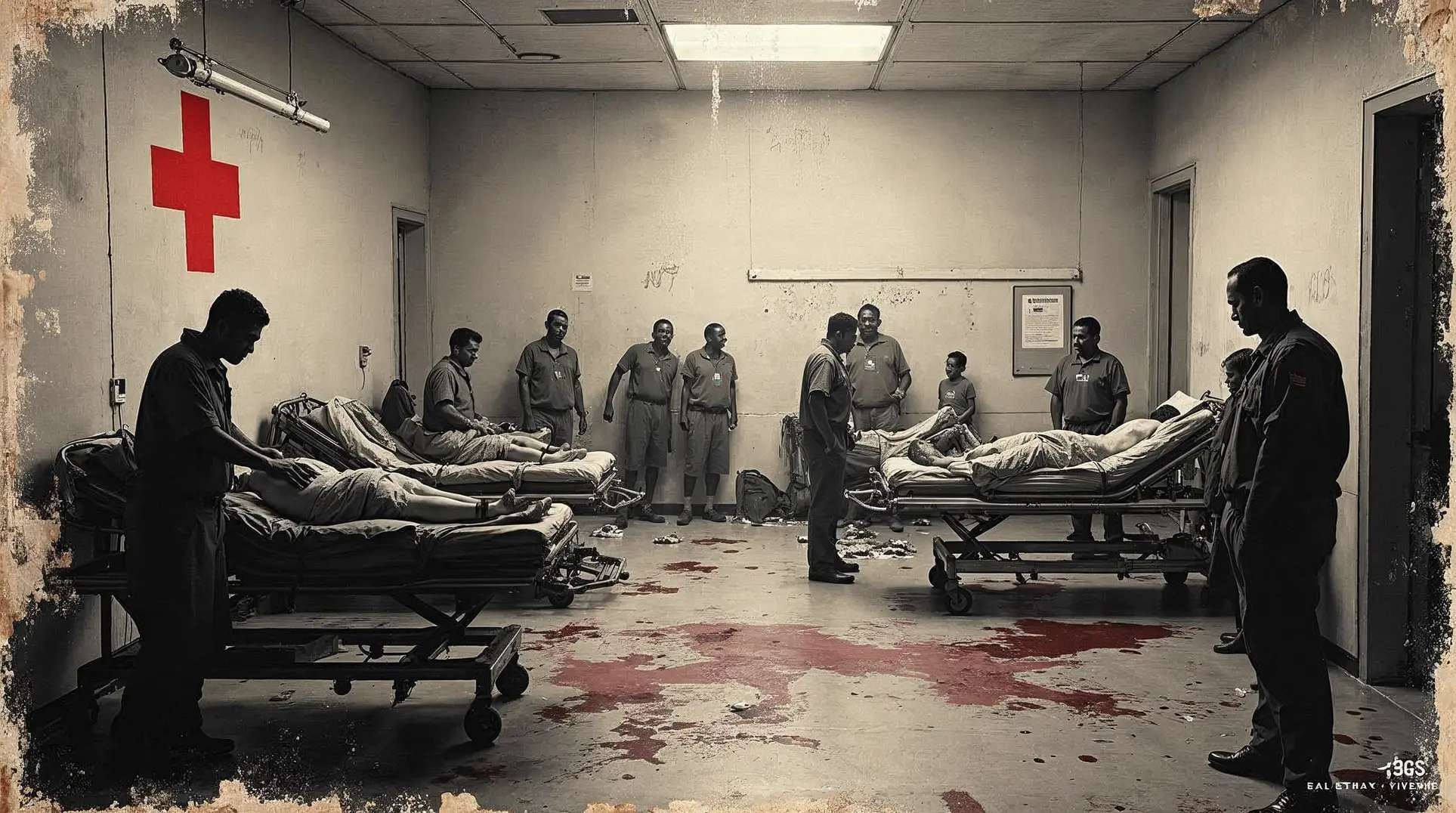
Members are reading: How institutional absence transforms gang clashes into systematic threats to civilian survival
Inadequate international response
A new multinational anti-gang force is being deployed to replace an under-equipped mission, but only 400 Chadian soldiers have arrived so far. The gap between international pledges and effective intervention persists as gang violence continues to expand geographically and in lethality.
The United States designated several Haitian gangs as terrorist organizations and offered $3 million rewards for information on their financial networks. However, without Haitian state capacity to act on intelligence or secure contested territories, international designations and rewards programs have shown limited operational impact. The clashes in Cite Soleil and Croix-des-Bouquets demonstrate that gang territorial control continues to expand despite these external measures, driven by the fundamental absence of state authority rather than resource constraints alone.
Subscribe to our free newsletter to unlock direct links to all sources used in this article.
We believe you deserve to verify everything we write. That's why we meticulously document every source.


