


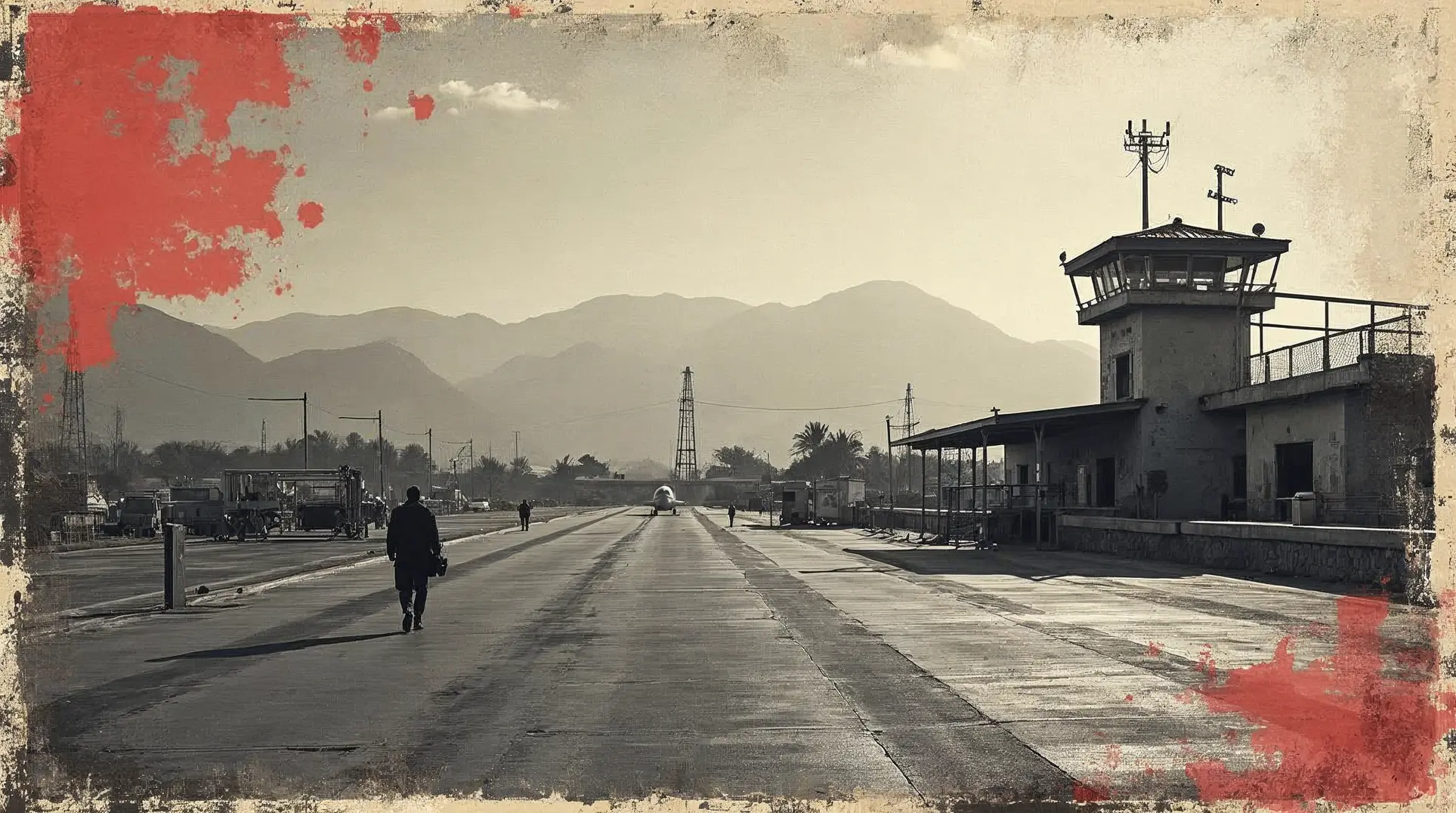
Fighters loyal to the Tigray People's Liberation Front (TPLF) and its armed wing, the Tigray Defense Forces (TDF), seized three federally administered airports in northern Ethiopia in the early hours of 23 September, in an operation local witnesses described as bloodless. Mekelle's Alula Aba Nega International Airport, along with the airports at Aksum and Shire, passed from federal police to TDF control without resistance, according to an airport employee who spoke to AFP. Ethiopian Airlines suspended all flights to the three destinations effective Wednesday.
The airport seizures were the visible edge of a wider offensive. Fighting erupted overnight across six locations in the Afar region, Abala, Erebti, Berahle, Megale, Dalul and Konoba, while clashes were reported along the Kobo-Tumuga axis in Amhara between the Ethiopian National Defense Force (ENDF) and a joint TPLF-Fano formation. Two humanitarian sources, a foreign security source and an NGO source confirmed ongoing battles. The Armed Conflict Location and Event Data Project (ACLED) recorded additional shelling along the Zata, Dinqa and Sekota lines on the Tigray-Amhara border.
What the two sides are saying
Getachew Reda, a former TPLF official now serving as an adviser to Prime Minister Abiy Ahmed, wrote on X that the TPLF leadership "launched an all-out offensive against government positions in Afar and Amhara," calling the timing "heartbreaking" given international mediation efforts and adding that the TPLF "has taken irresponsibility to new heights." He confirmed the airport takeovers and the flight suspensions.
The Tigray regional government offered the inverse account. In a formal statement, it said it had entered a "defensive war" against what it called Abiy's "genocidal Prosperity regime," accusing federal forces of intensifying drone and aircraft bombardment and conducting an "invasion" of Tigray. It referenced strikes on Tuesday involving "aircraft, drones, and artillery." As of the latest reporting, neither the federal government nor ENDF high command had issued a public response to the offensive itself, an absence that leaves Getachew Reda's statement as the only federal-aligned account on record.
The competing narratives cannot both be established fact. What is documented is the sequence: an alliance announcement on Sunday, then coordinated action on Tuesday into Wednesday.
Observers are reading: how Eritrea's inverted alliance with the TDF, and Sudan and Egypt's roles, could turn Tigray into a wider regional war.
Become an Observer — it's free. Get full access to all Crisis.Zone analysis, briefings and breaking coverage.
The unfinished peace
None of this happened without warning. ACLED documented low-intensity clashes between the TPLF and government forces beginning 1 August at Shererina on the Sudan-Ethiopia border, alongside a build-up of TDF tanks and artillery in southern Tigray since early September, forced recruitment drives, and a drone strike on Tuesday in Alamata that Tigrayan authorities say killed at least 14 people, a claim the BBC could not independently verify and on which the federal government has not commented. In May, the TPLF had already disbanded the federally appointed interim administration and restored its own pre-war structure, a move that preceded a national election that was not held in Tigray at all.
The 2022 Pretoria Agreement, brokered by the African Union, never resolved the underlying disputes. Eritrea was excluded from the talks entirely. Aid groups estimate roughly a million people remain displaced from the war it was meant to end. The AU's mediation architecture, the same framework that helped earn Abiy a Nobel Peace Prize for the earlier Eritrea rapprochement, is now confronting a second Ethiopian conflict it did not prevent.
The question this offensive poses is not whether the Ethiopian Peoples' Forces Alliance can defeat the ENDF outright. It is whether a federal government already stretched across Sudanese, Eritrean and Red Sea entanglements can absorb a coordinated challenge from movements claiming half its regional states, without the kind of negotiated settlement that Pretoria was supposed to provide and never fully did.
Become an Observer — it's free — to unlock direct links to all sources used in this article.
We believe you deserve to verify everything we write. That's why we meticulously document every source.


