



- RSF's simultaneous offensives on Bara and El Fasher demonstrate UAE-enabled multi-front warfare capacity unprecedented in Sudanese conflict.
- El Fasher's 15-month siege exposes complete failure of African Union and IGAD to confront Gulf-financed genocidal campaigns.
- Sudan has become definitive case study of wealthy autocracies waging consequence-free proxy wars on African soil.
The war consuming Sudan has entered a new and ominous phase. This weekend's multi-pronged assault by the Rapid Support Forces on Bara—North Kordofan's second-largest city—comes as El Fasher endures its fifteenth month under siege. What connects these attacks is not merely military strategy, but a pattern that reveals how completely external actors have hijacked this conflict, transforming Sudan into a laboratory for proxy warfare while international institutions offer little beyond statements of concern.
The RSF's Saturday morning offensive on Bara, launched from multiple directions and immediately cutting communications networks, represents more than tactical expansion. It signals the militia's confidence that it can sustain simultaneous pressure on multiple fronts—a capability enabled not by grassroots support, but by the steady flow of weaponry, logistics, and financing from the United Arab Emirates. Meanwhile, 350 kilometers northeast, El Fasher's 260,000 trapped civilians face daily bombardments behind a 68-kilometer earthen wall constructed by these same forces. The question is no longer whether international paralysis enables atrocity in Sudan, but how many more cities must fall before Africa's regional mechanisms acknowledge their own irrelevance in the face of Gulf petrodollars.
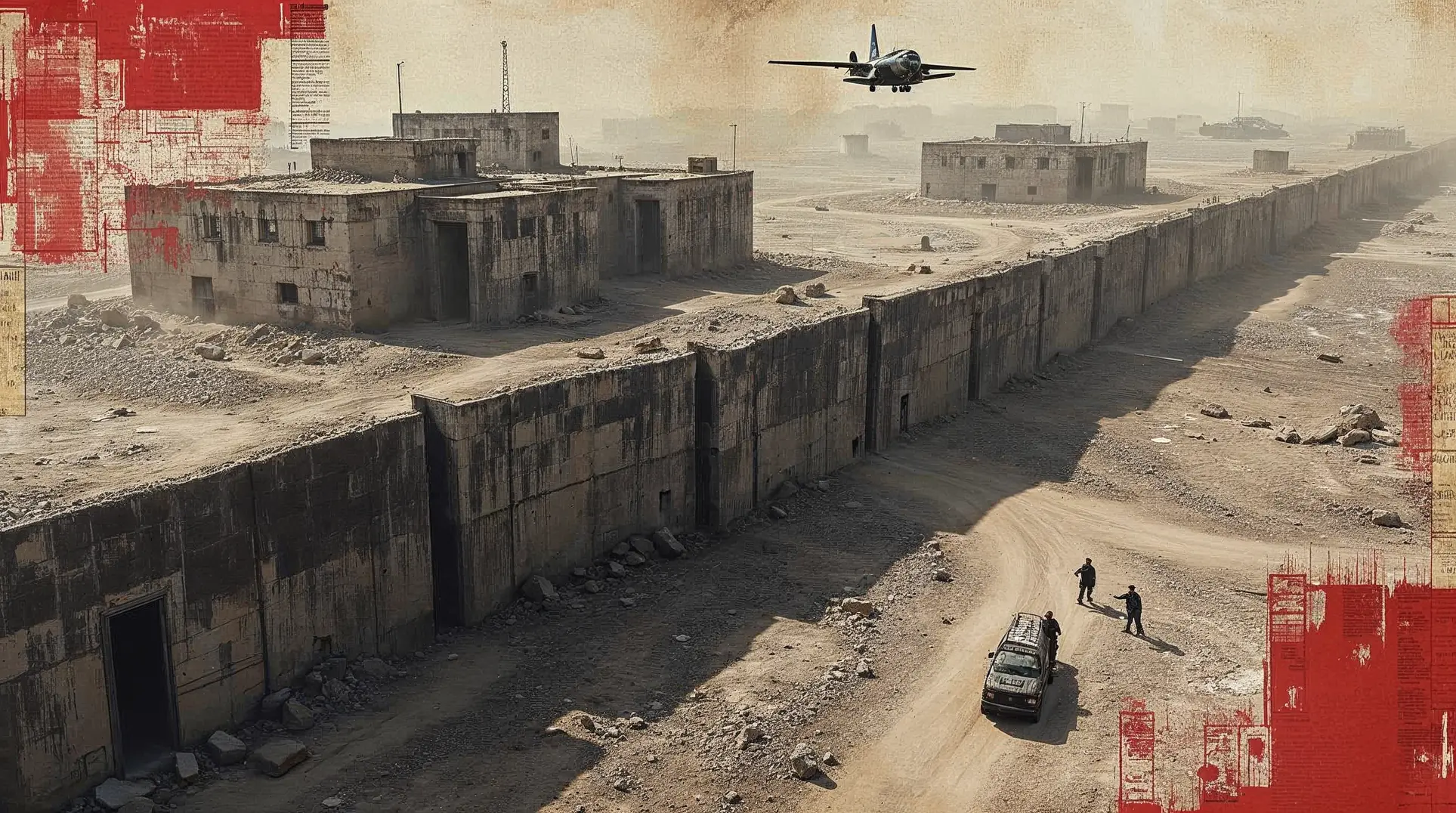
The brutal truth nobody's saying: How UAE money transformed the RSF into an unstoppable force while Africa's most powerful institutions watch from the sidelines—completely helpless.
The Kordofan offensive: Strategic expansion or desperate overreach?
The RSF's assault on Bara cannot be understood in isolation from El Fasher. These parallel operations reveal an organization confident it can sustain multi-front warfare—a confidence rooted in external logistics rather than popular support. Bara's strategic importance lies in its position as North Kordofan's second-largest urban center; its fall would open pathways toward El Obeid, the state capital, where worrying reports already indicate RSF mobilization.
The UN Human Rights Chief's documentation of at least 60 civilian deaths in Bara locality since July exposes how the conflict's expansion multiplies humanitarian catastrophe. With communications networks severed, the world receives only fragments of information about what unfolds in these besieged cities—a deliberate opacity that serves both warring parties. Yet even fragmentary reports reveal the pattern: SAF airstrikes killing at least 23 civilians in West Kordofan, RSF ground forces terrorizing non-Arab communities, and civilians trapped between forces that have both weaponized humanitarian access.
The regional dimension of this expansion deserves particular scrutiny. Chad now hosts 773,662 Sudanese refugees, while South Sudan shelters 349,935—numbers that would overwhelm far wealthier states. N'Djamena's accusation that the UAE supplies the RSF via Chadian territory highlights how this conflict destabilizes the entire Sahel-Sudan corridor.Sudan's war spills into Central African Republic threatening fragile stability, creating refugee pressures that strain already precarious neighboring states.
What they won't tell you about Sudan's gold: The shocking deal between Gulf powers and warlords that's turned 12 million refugees into acceptable collateral damage.
The architecture of international failure
The diplomatic paralysis surrounding Sudan's war exposes fundamental contradictions in how the international community claims to value African lives. The Jeddah Declaration produced documents and photo opportunities but changed nothing on the ground. The RSF's announcement of a parallel "Government of Peace and Unity" in April 2025 makes mockery of peace processes while demonstrating the militia's confidence that external support eliminates any need for political settlement.
UN Security Council resolutions and briefings have generated no tangible protection for civilians. The UN Fact-Finding Mission for Sudan has documented extensive human rights violations and called for an arms embargo—a call that echoes into a void because the permanent members backing opposing sides will never consent to mechanisms that constrain their proxies. This is the ugly truth about "international community" rhetoric: it functions primarily to provide cover for inaction.
The AU and IGAD's paralysis reflects not just institutional weakness but the brutal reality that African regional organizations lack leverage over Gulf states with effectively unlimited financing. When continental institutions cannot impose costs on external actors fueling African conflicts, their statements of concern become mere performance—diplomatic theater that provides no protection to civilians bleeding in El Fasher or Bara.
Beyond optimism: Structural realities and continental agency
Sudan's expanding war should force honest reckoning about African agency in an international system where wealthy autocracies can purchase military outcomes. The potential fall of El Fasher would not just cement RSF control over western Sudan; it would demonstrate definitively that African institutions cannot protect civilians from externally-funded militias pursuing genocidal campaigns.
Yet even in this darkness, the resistance of El Fasher's defenders—particularly the Joint Darfur Force's alliance with the SAF to prevent another genocide—demonstrates that agency persists even when institutions fail. The question is whether continental and international bodies will develop mechanisms to support such resistance, or whether we will continue pretending that statements of concern constitute policy while cities fall and civilians starve.
The attacks on El Fasher and Bara reveal how completely external interference has hijacked this conflict. Until African institutions develop the economic leverage and political will to impose costs on foreign actors bankrolling these militias, Sudan's catastrophe will remain a blueprint for how wealthy autocracies wage consequence-free proxy wars on African soil. The civilians trapped in besieged cities deserve better than our studied paralysis. Whether they receive it depends on choices yet unmade.
Subscribe to our free newsletter to unlock direct links to all sources used in this article.
We believe you deserve to verify everything we write. That's why we meticulously document every source.


