


On 4 December 2025, a delegation representing all fifteen member states of the United Nations Security Council visited Damascus for the Council’s first official trip to Syria in since the Council's founding in 1945. The delegation, led by Slovenian Ambassador Samuel Žbogar in his capacity as December's presidency holder, arrived not merely to observe but to confront a crisis of credibility that threatens both Syria's fragile transition and the UN's own relevance in conflict resolution.
The timing was deliberate. Four days before the first anniversary of Bashar al-Assad's dramatic ouster on 8 December 2024, the visit was designed to signal support for interim President Ahmed al-Sharaa's nascent government while acknowledging what Žbogar himself described as a persistent "lack of trust" in UN-Syria relations. The question is whether the Council can translate this symbolic presence into the kind of guardrails and accountability mechanisms that might actually stabilize the country—or whether it will leave behind only photographs and unfulfilled promises.
Damascus diplomacy meets ground-level fragmentation
The delegation's program combined high-level talks with carefully choreographed exposure to Syria's scars. Council members met al-Sharaa, Foreign Minister Asaad al-Shibani, and senior officials, discussing an agenda spanning political inclusivity, transitional justice, economic recovery, counterterrorism cooperation, and preventing Syria from becoming a regional threat. They toured the devastated Jobar district, walked through the Umayyad Mosque, and visited Beit al-Wali, witnessing firsthand the physical evidence of thirteen years of war.
Žbogar's public remarks emphasized the Council's commitment to "Syria's sovereignty, unity, independence, and territorial integrity." Yet this rhetorical solidarity confronts a stark reality: Syria today is a patchwork of competing authorities and external interventions that render those principles aspirational at best. The Syrian Democratic Forces (SDF) remain a de facto separate military structure despite months of negotiations on integration into state institutions under the 10 March framework. Clashes in Raqqa and Deir Ezzor between 19 and 22 November exposed how fragile this process remains, even as SDF commander Mazloum Abdi continues to signal willingness to proceed.
In the south, Suweida's Druze community has established de facto autonomy following violence in July and renewed clashes in mid-November that tested a US-brokered ceasefire. The interim government's inability to fully extend its writ across these territories underscores the gap between the sovereignty the Council endorses and the fragmentation it must help address.
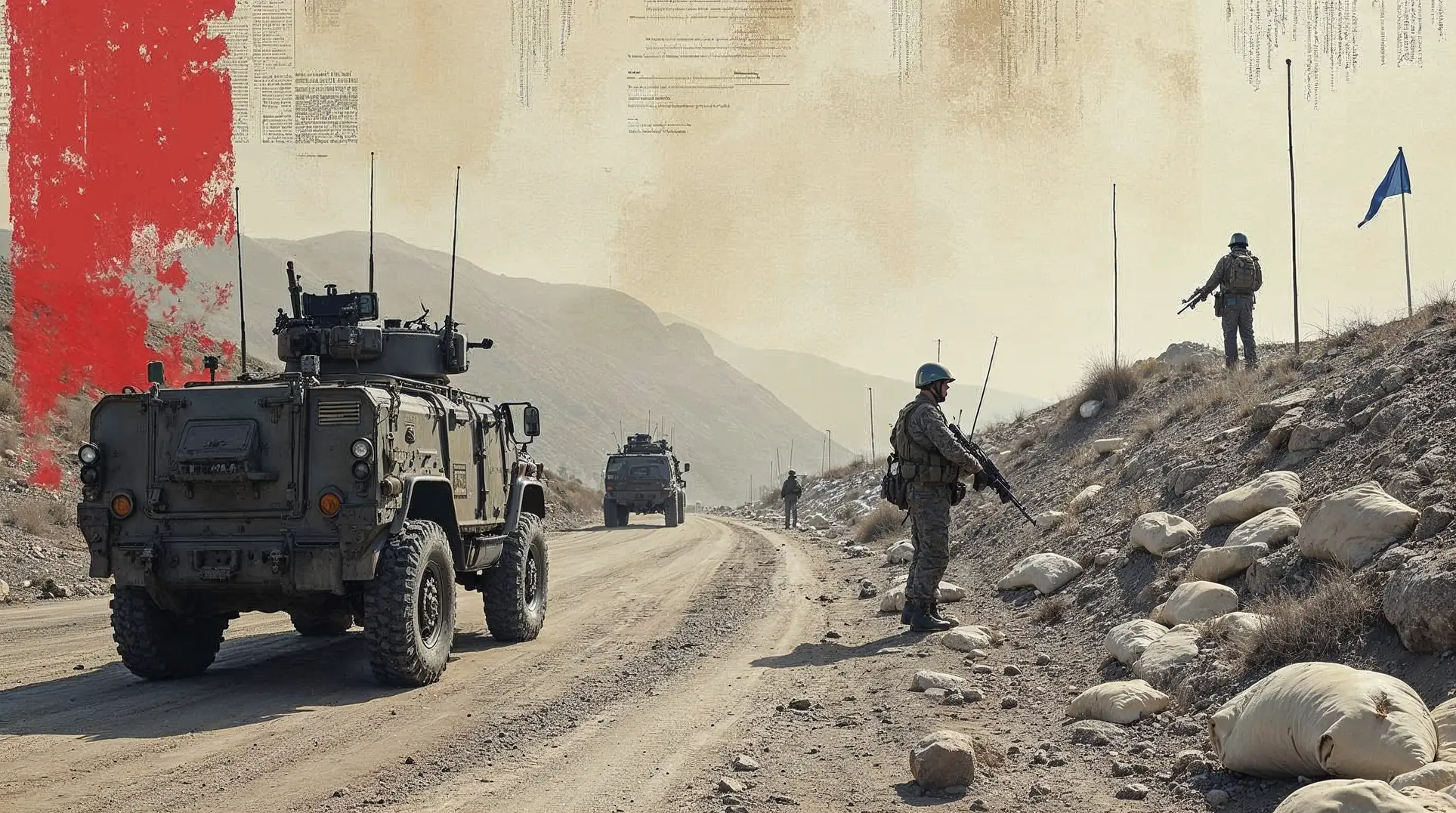
Members are reading: How Israeli violations of the 1974 Golan agreement expose the Council's sovereignty dilemma and undermine DDR credibility across Syria.
From symbolism to substance
The delegation's schedule included meetings with UN staff, civil society representatives, and religious leaders before continuing to Lebanon on 5 December to consult UNIFIL personnel. This broader engagement signals awareness that Syria's transition cannot succeed through top-down diplomacy alone. Yet the visit's ultimate value will be measured not in the breadth of its itinerary but in whether it produces concrete mechanisms for accountability and protection.
A meaningful outcome would include: explicit benchmarks linking reconstruction assistance to progress on inclusive political processes consistent with Security Council Resolution 2254; enforcement mechanisms for the 1974 Disengagement Agreement that impose costs on violations; dedicated funding for transitional justice, missing persons investigations, and human rights monitoring; and conditional support for SSR and DDR that requires transparent integration timelines from all armed groups, including the SDF.
The historic nature of this visit matters less than what comes after. Syria's transition will be measured in the daily experience of civilians returning to Jobar, families searching for disappeared loved ones, and communities in Suweida and Deir Ezzor watching whether promises of unity translate into protection or further fragmentation. The Security Council's credibility—and the trust Ambassador Žbogar acknowledged is lacking—depends on whether it can enforce the sovereignty it proclaims.
Subscribe to our free newsletter to unlock direct links to all sources used in this article.
We believe you deserve to verify everything we write. That's why we meticulously document every source.


