


Russian aviation regulator Rosaviatsia confirmed Wednesday that two carriers—Rossiya and Nordwind—will conduct emergency evacuation flights from Cuba in the coming days before suspending all operations until the island's jet fuel crisis subsides. Canadian airlines Air Canada, WestJet, and Air Transat have implemented similar measures, scrambling to repatriate thousands of tourists left stranded by Cuba's abrupt declaration that nine major airports, including José Martí International in Havana, will have no aviation fuel available from February 10 through March 11.
The mass grounding represents the most visible collapse yet of Cuba's critical infrastructure under intensified U.S. economic pressure. What aviation regulators are characterizing as a fuel shortage is, more precisely, the result of a deliberate campaign by the Trump administration to sever the island's access to petroleum products. The Kremlin described the situation as "truly critical" and characterized U.S. measures as "suffocating," language that reflects the cascading nature of sanctions designed to target not just the Cuban government but the foundational systems that sustain daily life.
Latest Situation Update
Cuba's civil aviation authority issued a Notice to Airmen (NOTAM) Tuesday declaring jet fuel unavailable at nine airports across the country through mid-March. The notice covers not only Havana but secondary tourism hubs including Varadero, Cayo Coco, and Santiago de Cuba—the arteries of an economy heavily dependent on foreign visitors. Russian carriers, which had maintained some of the few remaining direct international routes to the island, confirmed they would complete final evacuation runs for Russian nationals before halting service indefinitely.
Canadian carriers face similar constraints. Air Canada and its regional competitors announced coordinated withdrawal plans as airport fuel reserves dwindle. The synchronization of these announcements—across multiple nationalities and carriers simultaneously—underscores that this is not a localized supply disruption but a systemic failure induced by external pressure. Cuba's state-run aviation infrastructure, already degraded by decades of embargo, now lacks the most basic input required to function.
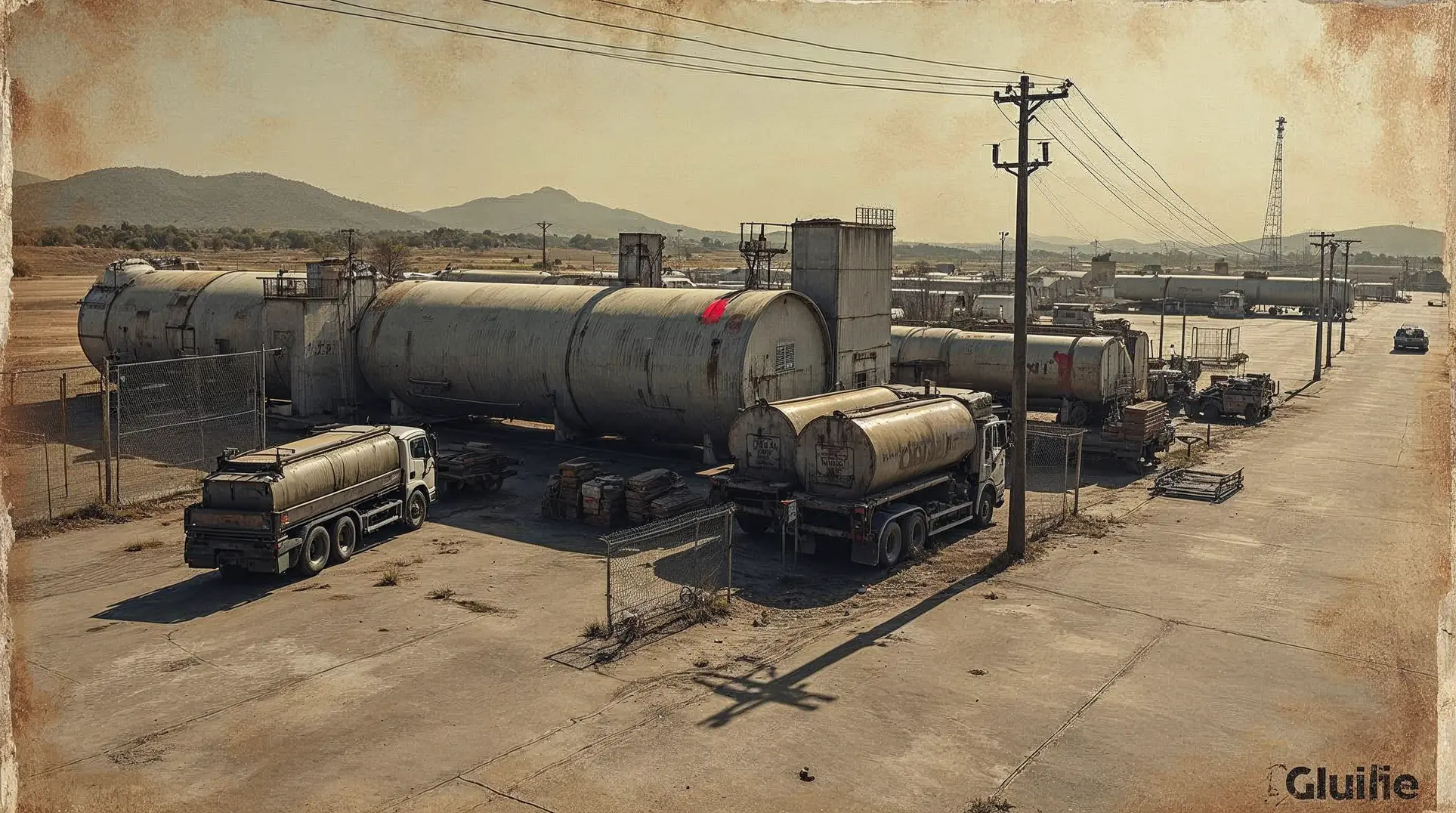
Members are reading: Why aviation collapse signals Cuba's energy crisis has entered irreversible territory—and who gets hurt.
The emergency evacuation of tourists by Russian and Canadian carriers exposes how U.S. sanctions function in practice: not as targeted diplomatic tools but as broad instruments of economic strangulation that cascade through civilian infrastructure. As Cuba's airports go dark for the next month, the policy achieves its immediate objective of economic disruption, but at the cost of isolating foreign nationals, disrupting international commerce, and deepening a humanitarian crisis for the island's eleven million residents. The question now is whether this pressure produces the political outcomes Washington seeks, or simply devastates the mechanisms that sustain ordinary life.
Subscribe to our free newsletter to unlock direct links to all sources used in this article.
We believe you deserve to verify everything we write. That's why we meticulously document every source.


