


Pontiff uses Christmas platform to deploy moral pressure on ceasefire guarantors and humanitarian gatekeepers
Pope Leo's Christmas sermon on December 25, 2025, represented a sharp departure from the Vatican's typically measured diplomatic stance. Breaking with the spiritual focus expected on Christianity's holiest day, the pontiff delivered an unusually direct condemnation of the humanitarian catastrophe in Gaza, transforming a pastoral moment into a calculated act of moral diplomacy. His pointed reference to Palestinians sheltering in rain-soaked tents and his equation of indifference to suffering with rejecting God signal a strategic escalation in the Holy See's engagement with the Israeli-Palestinian conflict.
This intervention comes two months after a fragile October 2025 ceasefire ended a devastating two-year war, yet amid conditions that remain catastrophic. By choosing the global platform of Christmas to frame Gaza's crisis in theological rather than purely political terms, Pope Leo is deploying the Vatican's unique soft power to increase pressure on actors—Israel, Hamas, and third-party guarantors like the United States and European nations—who have failed to translate the truce into meaningful humanitarian relief.
The theological indictment
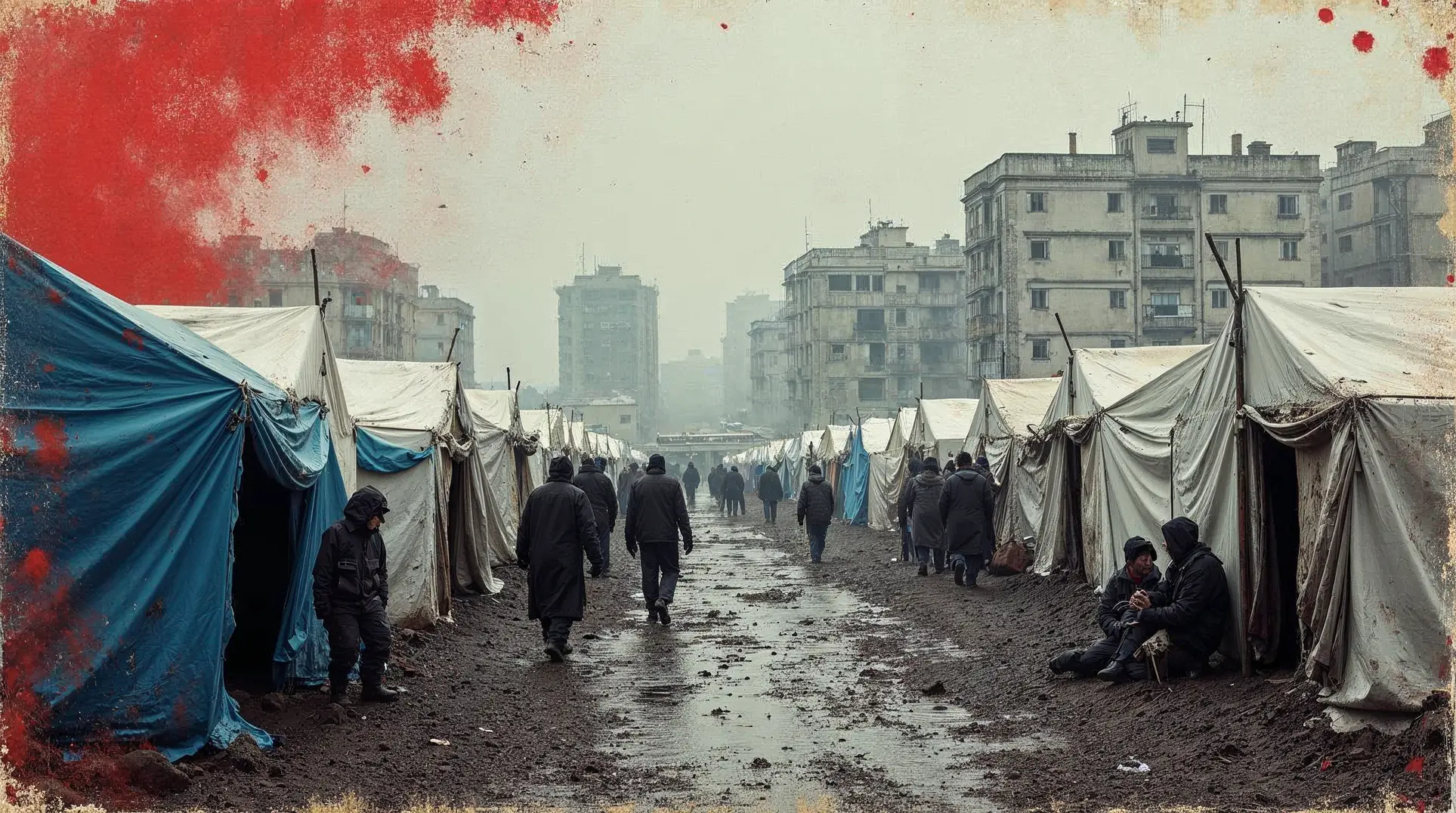
"How, then, can we not think of the tents in Gaza, exposed for weeks to rain, wind and cold?" the Pope asked, connecting the Christmas story of Mary and Joseph finding no room at the inn to the 1.5 million displaced Palestinians now homeless. His sermon went beyond empathy, however. "Fragile is the flesh of defenseless populations, tried by so many wars," he declared, framing the refusal to assist the poor and suffering as a rejection of God himself.
This rhetorical move transforms a geopolitical impasse into a moral crisis that demands response. By invoking the birth of Christ—a narrative of the divine entering human vulnerability—Pope Leo positioned Gaza's displaced not as statistics in a UN report, but as sacred subjects whose suffering implicates the conscience of the Christian world and beyond. The directness is particularly striking given that Pope Leo, elected in May 2025, has cultivated a reputation for diplomatic caution, previously limiting his commentary to calls for a two-state solution without explicitly condemning specific actors.
The reality behind the rhetoric
The Pope's intervention is grounded in grim empirical reality. According to UN Office for the Coordination of Humanitarian Affairs assessments, over 80 percent of buildings in Gaza are damaged or destroyed following the two-year conflict. The ceasefire has not translated into reconstruction or adequate shelter provision, leaving the vast majority of Gaza's population in makeshift camps facing winter flooding and exposure.
Food security remains precarious. While full-scale famine was narrowly averted in recent months, 77 percent of the population—approximately 1.6 million people—still face high levels of acute food insecurity. The health system has effectively collapsed, with hospitals non-functional and medical supplies restricted. Despite ceasefire agreements stipulating humanitarian access, aid continues to be blocked or severely delayed at border crossings, with Israeli authorities citing security concerns and Hamas accused of diverting resources.
These are not abstract humanitarian metrics. They represent a sustained denial of basic survival needs to a captive population, and Pope Leo's sermon is designed to make that denial politically and morally indefensible.
Members are reading: How the Vatican's unique diplomatic status transforms moral rhetoric into political leverage that governments cannot easily ignore.
Moral pressure meets geopolitical reality
The question remains whether papal condemnation can translate into tangible change. The Vatican lacks economic sanctions or military power, and previous papal appeals on Gaza and the broader conflict have produced limited results. However, Pope Leo's calculated directness represents an escalation that cannot be easily dismissed. By choosing Christmas—not a political summit or diplomatic visit—he has weaponized the Vatican's most powerful asset: its ability to frame political failures as moral failures before a global audience.
The sermon also positions the Holy See as a potential mediator or guarantor in future negotiations. Having publicly identified the humanitarian catastrophe as a theological concern, the Vatican has staked its credibility on the issue, creating an institutional imperative to pursue relief through its diplomatic channels. This could manifest in behind-the-scenes pressure on ceasefire guarantors or public support for international mechanisms to ensure aid access.
Pope Leo has transformed a pastoral moment into a diplomatic intervention, deploying the full weight of the Vatican's moral authority to force Gaza's humanitarian crisis back onto the international conscience. Whether political actors respond remains uncertain, but the Pope has ensured that indifference to Gaza's suffering is now an explicitly articulated moral position—and one increasingly difficult to defend on the global stage.
Subscribe to our free newsletter to unlock direct links to all sources used in this article.
We believe you deserve to verify everything we write. That's why we meticulously document every source.


