


The Philippines filed a diplomatic protest against China's placement of a floating structure near Scarborough Shoal, marking another incremental step in Beijing's strategy of establishing physical presence in contested South China Sea waters. The structure, measuring approximately 6x6 meters and equipped with an antenna and personnel, was observed near the entrance to the lagoon at the shoal, known in the Philippines as Bajo de Masinloc.
Philippine officials described the installation as "semi-permanent," distinguishing it from the 2023 floating barrier that Filipino forces removed. This latest structure represents a more durable form of presence, impacting Filipino fishermen's access to what the 2016 Permanent Court of Arbitration ruling recognized as a traditional fishing ground. General Romeo Brawner, Chief of Staff of the Armed Forces of the Philippines, stated that the military will not allow Scarborough to become another militarized island base, referencing China's transformation of features in the Spratly Islands.
Incremental presence builds facts on water
China's approach to Scarborough Shoal follows a pattern established elsewhere in the South China Sea: gradual deployment of infrastructure that transforms temporary presence into permanent control without triggering single dramatic escalation. China has maintained ships guarding the shoal since 2012, when a standoff with Philippine vessels effectively transferred control to Beijing despite Manila's geographic proximity—the feature lies approximately 220 kilometers from the Philippine coast.
The distinction between this structure and the 2023 barrier reveals Beijing's evolving tactics. While the barrier was easily removable and lacked personnel, the current installation combines physical infrastructure with human presence and communications equipment. This combination suggests operational intent beyond symbolic assertion of sovereignty, potentially supporting coordination of fishing activities or monitoring of maritime traffic in ways that parallel China's expanding military infrastructure elsewhere in the region.
China maintains "indisputable sovereignty" over what it calls Huangyan Island and dismissed Philippine objections, claiming legitimate rights for any activities including scientific research. This framing transforms what international law recognizes as contested waters into zones where Beijing asserts unilateral jurisdiction, creating facts on the water that complicate diplomatic resolution.
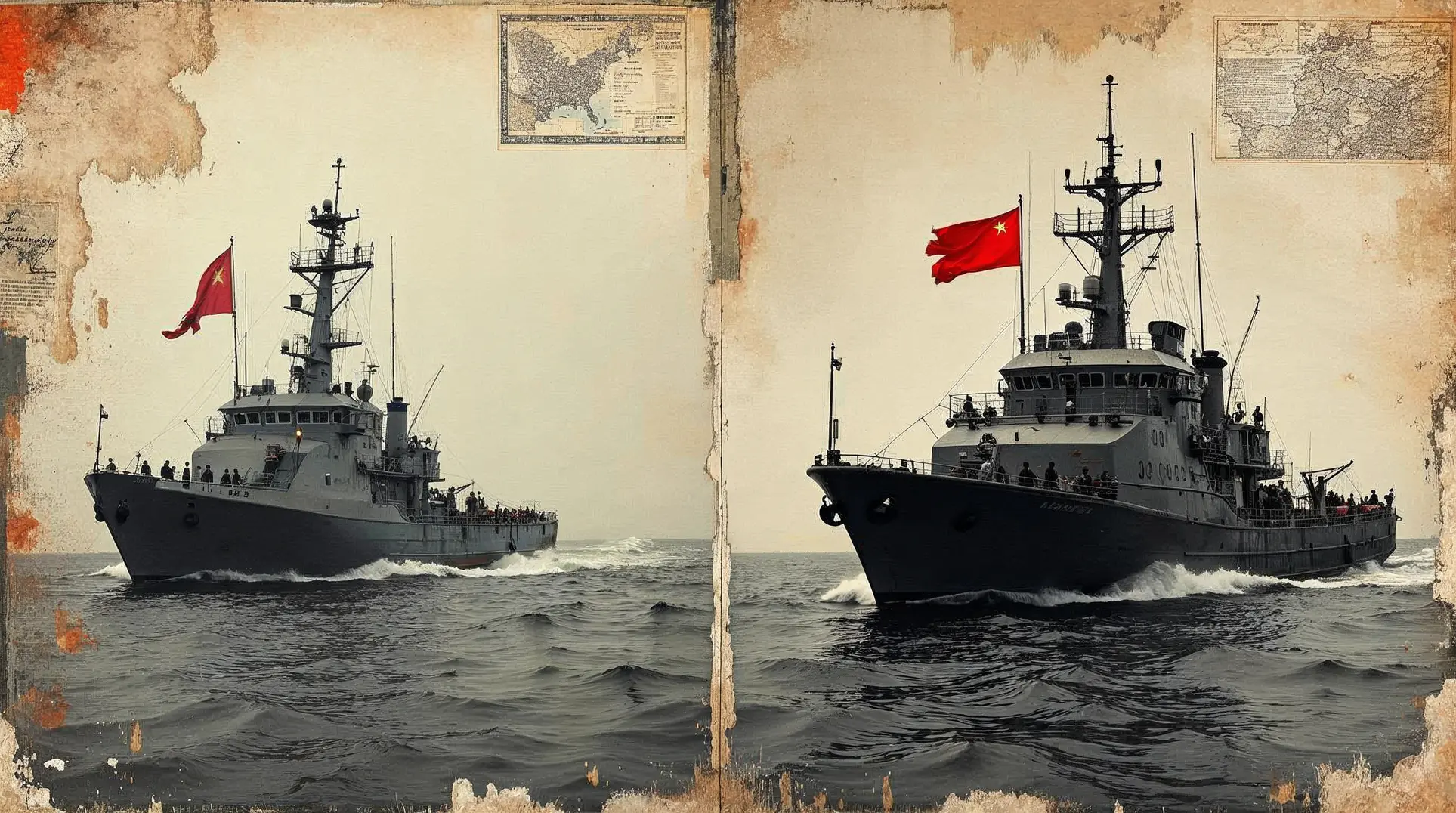
Members are reading: How China's semi-permanent infrastructure creates operational control while avoiding escalation thresholds that would trigger alliance responses
Regional implications and ASEAN dynamics
The Scarborough development occurs within a broader pattern of maritime disputes across Southeast Asia. Vietnam, Malaysia, and Brunei all maintain overlapping claims in the South China Sea, while Taiwan's claims mirror Beijing's nine-dash line. The frequency of confrontations between Chinese and Philippine vessels has increased, with territorial clashes becoming more routine features of regional maritime operations.
For ASEAN states observing this dynamic, the lesson is sobering: incremental assertion of control through physical infrastructure can shift territorial realities without triggering decisive responses from either the claimant state or its security partners. The US maintains treaty obligations to defend the Philippines in case of armed attack, including in disputed waters. Yet the threshold question—when does installation of a floating structure constitute an "armed attack"—remains deliberately ambiguous, creating space for Beijing to operate below escalation triggers.
Beijing's diplomatic choreography with regional and global powers suggests confidence that its incremental approach can withstand objections. By avoiding dramatic single actions while accumulating physical presence through numerous modest steps, China transforms the status quo without forcing binary confrontation. The result is a maritime environment where official positions remain unchanged—Manila protests, Beijing asserts sovereignty, Washington reaffirms alliance commitments—yet operational realities shift steadily in one direction. Whether the Philippines' stated determination to prevent Scarborough from becoming another militarized feature translates into effective countermeasures will test both Manila's resolve and Washington's commitment to regional security architecture.
Subscribe to our free newsletter to unlock direct links to all sources used in this article.
We believe you deserve to verify everything we write. That's why we meticulously document every source.


