


The Philippine and United States militaries completed a two-day joint maritime patrol near Scarborough Shoal on January 26, marking the first such coordinated operation in the South China Sea this year. The Philippine Navy frigate BRP Antonio Luna sailed alongside the US Navy destroyer USS John Finn in waters Manila claims as part of its exclusive economic zone, approximately 220 kilometers west of the main Philippine island of Luzon.
The patrol comes as Manila navigates a complex diplomatic moment, simultaneously strengthening its military posture through the US alliance while attempting to contain escalating verbal confrontations with Beijing. This dual approach reveals the core tension in Philippine strategy: leveraging American naval power to assert territorial claims while using diplomatic channels to prevent a complete rupture with China, its largest trading partner and most powerful neighbor.
Joint patrol asserts EEZ claims
The coordinated operation focused on enhancing interoperability between the two treaty allies, according to statements from the Armed Forces of the Philippines. While neither Manila nor Washington disclosed the exact route, the presence of vessels near Scarborough Shoal—a feature China has effectively controlled since 2012—represents a physical assertion of Philippine sovereignty claims backed by international law.
The patrol follows a pattern established in 2025, when Philippine and US forces conducted similar operations amid rising South China Sea tensions. The USS John Finn, an Arleigh Burke-class guided missile destroyer, provides both symbolic and practical military weight to Manila's position. These joint exercises aim to standardize communication protocols and tactical coordination between the allied forces, building the operational foundation for potential crisis response.
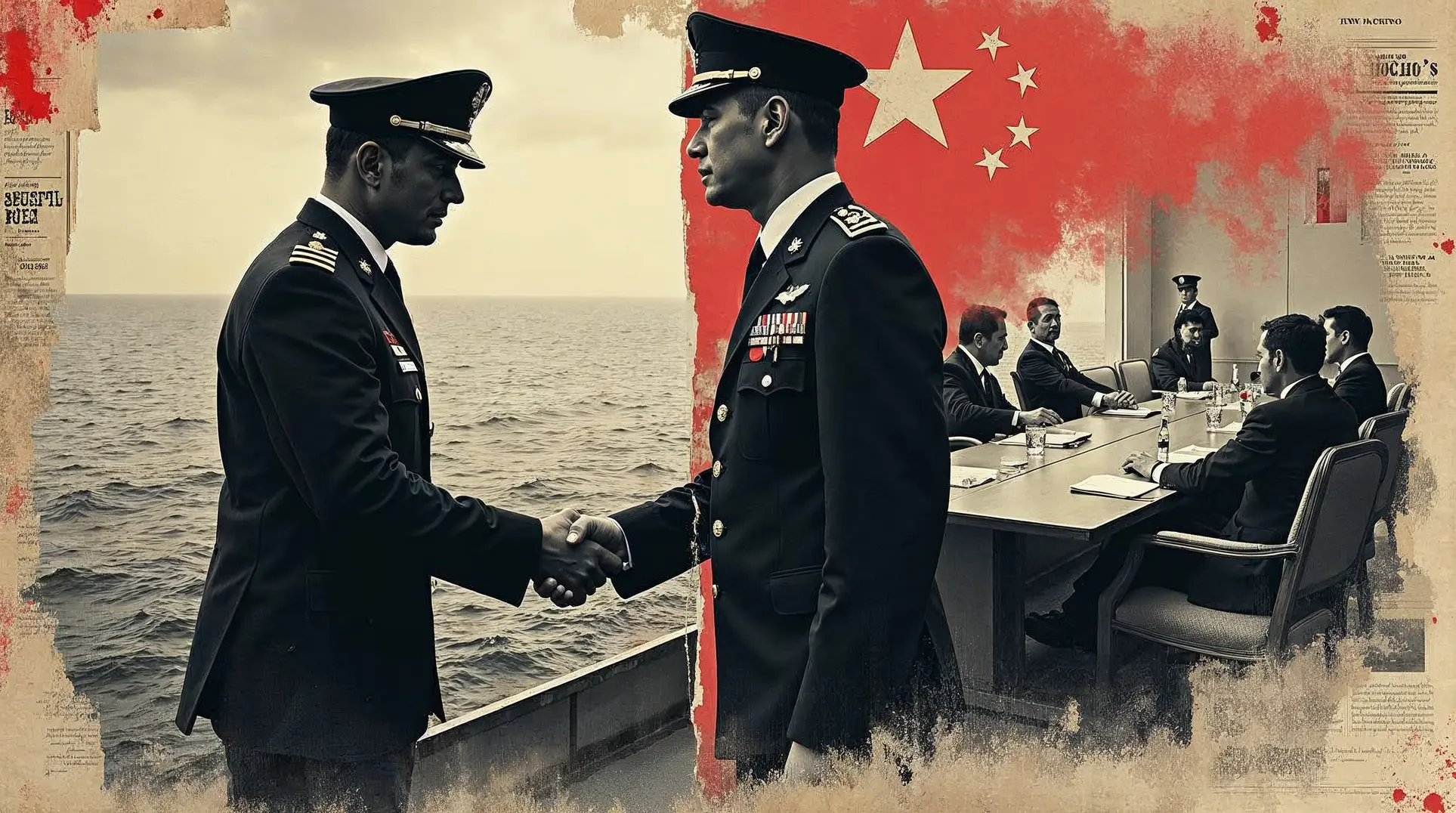
Members are reading: How Manila's simultaneous military escalation and diplomatic de-escalation may be approaching its structural limits
What happens next
The immediate focus shifts to China's response, both operational and rhetorical. Previous joint patrols have triggered increased Chinese Coast Guard presence and surveillance operations near Philippine-occupied features. Manila will monitor whether Beijing escalates its physical presence or opts for diplomatic pressure through economic channels.
The Philippines and United States have approved over 500 joint military activities for 2026 under the Enhanced Defense Cooperation Agreement, which encompasses nine agreed sites. Whether these operations become more assertive or remain carefully calibrated will signal how far Manila is willing to push its dual-track strategy before choosing a more definitive alignment.
Subscribe to our free newsletter to unlock direct links to all sources used in this article.
We believe you deserve to verify everything we write. That's why we meticulously document every source.


