


Small-scale training program at former US base signals broader strategic shift toward jungle warfare capabilities
For the first time in over two decades, US conventional ground forces are back in Panama's dense tropical forests, conducting the Combined Jungle Operations Training Course at Base Aeronaval Cristóbal Colón—the former Fort Sherman. The program started with a pilot in August 2025 and launched its first full iteration in October, involving Marines, Army units, and Panamanian security forces. Pentagon officials insist the training isn't preparation for specific contingencies, particularly in Venezuela, but the timing and location tell a different story.
The resumption of this course, historically known as the "Green Hell" for its Vietnam-like conditions, represents more than tactical readiness. It signals a fundamental reorientation of US military priorities toward Latin America at precisely the moment when rhetoric about intervention—especially regarding Venezuela—has intensified under the Trump administration. The program is slated to expand significantly over the next year.
The strategic geography of readiness
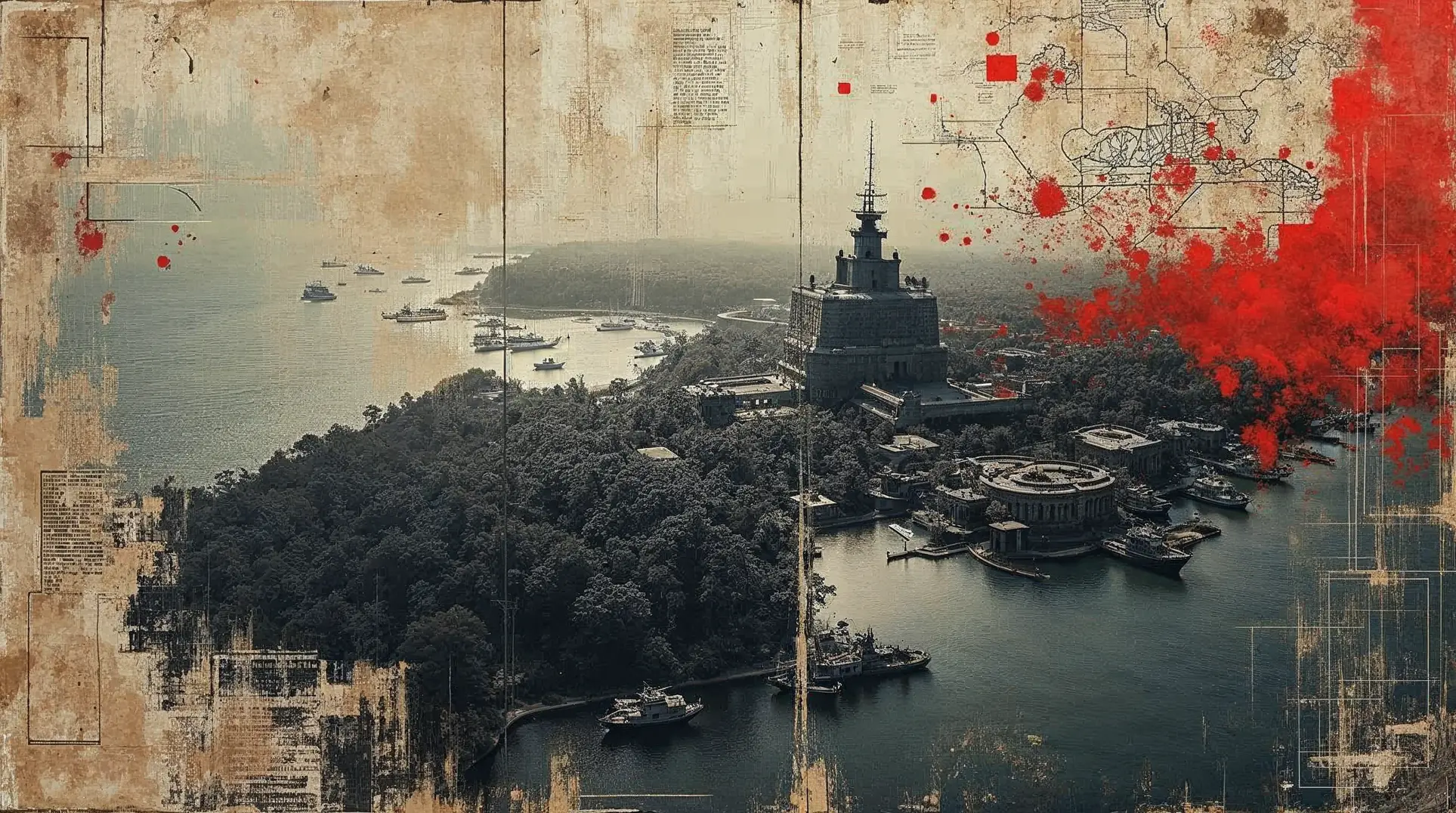
Base Aeronaval Cristóbal Colón sits at a critical junction: close to the Panama Canal, within operational distance of Colombia's border regions, and positioned for rapid deployment throughout Central America and the Caribbean. The curriculum covers survival, squad tactics, live-fire operations, and medical evacuation in environments where conventional military advantages disappear beneath triple-canopy jungle.
SOUTHCOM frames this as partnership building and disaster response preparation. Yet the historical record of US military engagement in Latin America suggests that training programs rarely remain purely educational. From Colombia to Central America, capacity-building exercises have consistently preceded or accompanied direct intervention operations.
The choice of location matters deeply. Panama's Darién Gap connects Central and South America, serving as both migration corridor and drug trafficking route. Venezuela's borders are heavily forested. Colombia's conflict zones remain jungle terrain. Training US forces to operate effectively in these environments builds capability that transcends any single stated mission.
Members are reading: How the curriculum, location, and partner nation selection reveal systematic preparation for operations Washington publicly denies.
The pattern of militarized policy
This development fits a broader trend of re-militarizing US engagement with Latin America after years of relative neglect. The training resumption coincides with increased sanctions pressure on Venezuela, renewed counter-narcotics rhetoric toward Mexico and Colombia, and expanding security assistance programs throughout the region.
Historical precedent suggests that once military capabilities deploy, missions find them. The infrastructure of intervention—trained forces, established partnerships, operational familiarity with terrain—creates its own momentum. What begins as small-scale training has repeatedly evolved into larger commitments as governments discover that military tools, once available, shape how problems get defined and solutions pursued.
The official denial that this training targets any specific contingency should be understood in that context. Pentagon planners don't build capabilities hoping never to use them; they develop options for policymakers who increasingly view regional challenges through military frameworks. Whether those options ultimately get exercised depends on political decisions yet to be made, but the readiness to execute them is precisely what programs like this establish.
Subscribe to our free newsletter to unlock direct links to all sources used in this article.
We believe you deserve to verify everything we write. That's why we meticulously document every source.


