


A joint U.S.–Syrian security patrol was ambushed near Palmyra in central Syria on December 13, 2025, killing two American soldiers and one U.S. civilian interpreter. U.S. Central Command confirmed the casualties and said three additional service members were wounded in the attack. Syrian state media reported that two Syrian security personnel were also injured. The wounded were evacuated by helicopter to the al-Tanf garrison near the Iraq–Jordan border. Names of the deceased have been withheld pending next-of-kin notification.
The ambush marks the first U.S. combat fatalities in Syria since 2019 and the first American deaths in the country since Bashar al-Assad's fall in December 2024. It occurred during what Pentagon spokesperson Sean Parnell described as a "key leader engagement" in support of counter-ISIS operations. The incident exposes a fundamental vulnerability in the nascent U.S.–Damascus security partnership: competing narratives about the attacker's identity reveal the vetting and command-and-control challenges inherent in integrating disparate forces under a transitional government still consolidating authority.
Competing attributions
CENTCOM characterized the assailant as a "lone ISIS gunman" who was engaged and killed at the scene. President Donald Trump echoed this attribution, calling it an "ISIS attack" on both the United States and Syria and vowing "very serious retaliation." Defense Secretary Pete Hegseth said the attacker was killed by partner forces and warned that those who target Americans "will be hunted down."
Yet the Syrian Observatory for Human Rights and multiple local officials cited by Reuters described the attacker as a member of Syrian security forces. No group has claimed responsibility for the ambush, and the Pentagon has said the incident remains under investigation. The discrepancy between U.S. and monitoring-group accounts is not merely semantic—it points to a structural risk at the heart of post-Assad counter-terrorism cooperation.
Syria's interim government, led by Ahmed al-Sharaa since the regime's collapse, has moved quickly to formalize security ties with Washington. Al-Sharaa's historic visit to Washington earlier this year demonstrated both sides' interest in sustained intelligence-sharing and joint operations against ISIS remnants. But that partnership relies on integrating forces drawn from former opposition factions, reconstituted units, and local security apparatuses—a patchwork that complicates vetting, chain-of-command clarity, and operational trust.
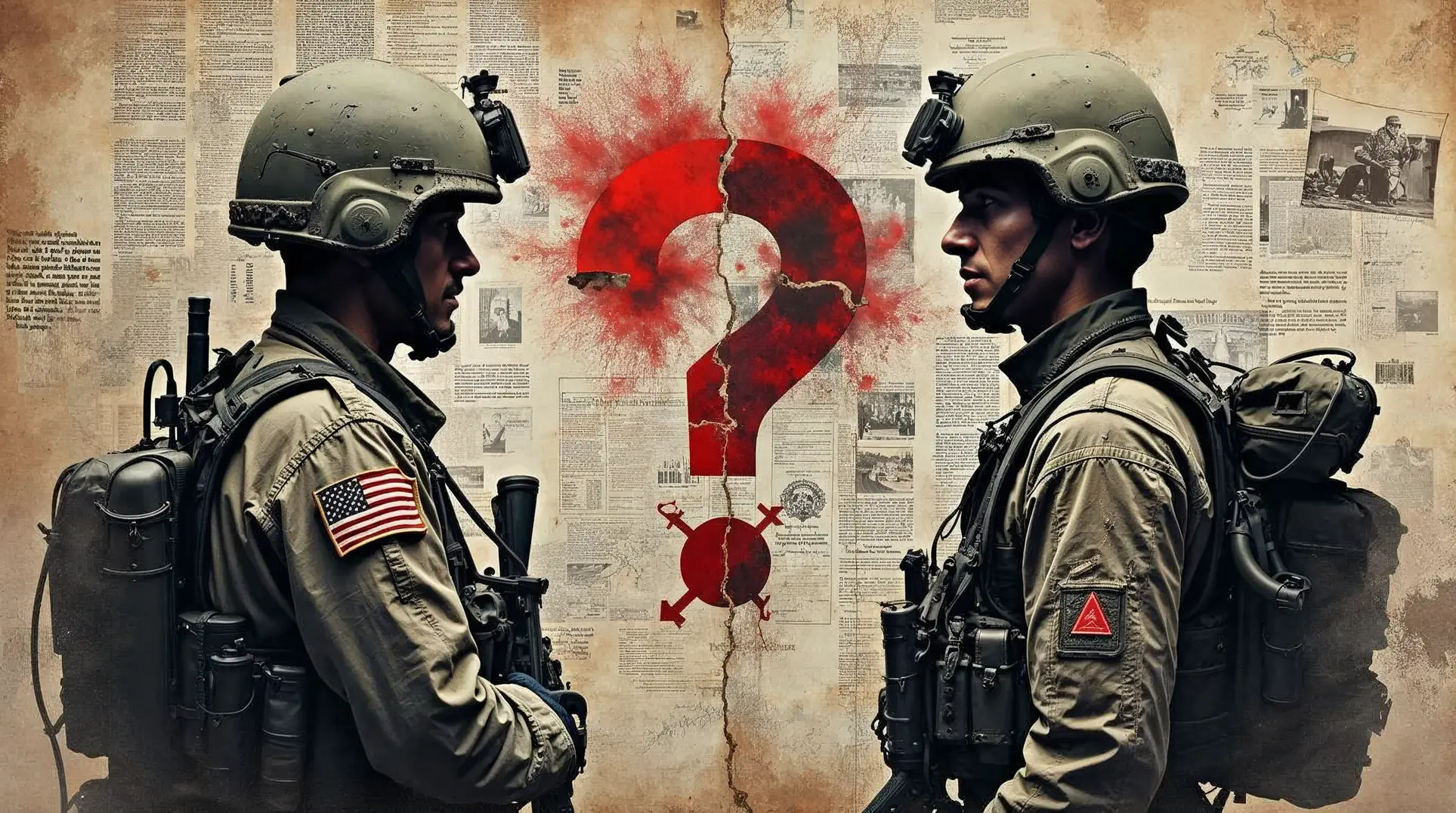
Members are reading: Why the attacker's identity reveals structural risks in Syria's transitional security forces and complicates Washington's retaliation calculus.
Forward implications
The investigation's outcome will shape both tactical adjustments and strategic messaging. If CENTCOM concludes the attack was an ISIS infiltration, the response will likely emphasize additional vetting protocols and intelligence-sharing enhancements. If evidence supports the insider-threat scenario, Washington faces a more difficult choice: publicly acknowledge the risk and demand Syrian government accountability, or downplay the distinction to preserve partnership momentum.
Either way, the Palmyra ambush underscores the inherent fragility of counter-terrorism cooperation in a post-revolutionary environment. Syria's security architecture remains a work in progress, stitched together from rival factions with divergent loyalties and incomplete command integration. As long as that fragmentation persists, joint operations carry elevated risk—not only from external jihadist threats, but from the unresolved tensions within the forces meant to counter them.
Subscribe to our free newsletter to unlock direct links to all sources used in this article.
We believe you deserve to verify everything we write. That's why we meticulously document every source.


