


Herzog confirms receipt as Trump pressure and Likud unity arguments collide with norms that clemency follows conviction
On November 30, 2025, Prime Minister Benjamin Netanyahu submitted a formal pardon request to President Isaac Herzog, transforming what had been weeks of political pressure and public appeals into an active legal process on the president's desk. The request was filed by Netanyahu's attorney, Amit Hadad, with the Legal Department of the Office of the President, which confirmed receipt. The submission was first reported Sunday morning by i24NEWS legal commentator Avishai Greenzig.
The move marks the first time a sitting Israeli prime minister has sought clemency while still on trial—a procedural escalation that places Herzog at the center of one of Israel's most sensitive institutional crossroads. Netanyahu remains on trial in three corruption cases involving bribery (Case 4000) and fraud and breach of trust (Cases 1000 and 2000). He denies all charges, calling the prosecution a politically motivated coup. The trial, which began in 2020, is ongoing, with no verdict yet rendered.
The pressure campaign behind the request
Netanyahu's pardon application follows sustained political and diplomatic pressure. U.S. President Donald Trump made a high-profile appeal during an October 13, 2025 speech to the Knesset, urging Herzog to grant clemency. Trump followed up with a formal letter to the Israeli president in November 2025. Herzog's response at the time emphasized that anyone seeking a pardon must follow established procedures and submit a formal request through his office.
Domestically, Environmental Protection Minister Idit Silman authored a letter—signed by Likud ministers and deputy ministers—arguing that Netanyahu's trial is "harming the unity of the people." Reporting indicated involvement by Netanyahu associates in that initiative, though the letter stopped short of explicitly requesting a pardon. The formal application shifts the matter from political advocacy to institutional procedure, requiring Herzog to navigate between executive discretion and rule-of-law norms that legal processes should run their course.
Herzog has previously described a potential Netanyahu pardon request as "extraordinary" and stated publicly that the case "weighs heavily on Israeli society." Speaking to Army Radio, he pledged transparency "if there is a request or any process," and said he would consider "what's best for the state and all other considerations." Before any application had been filed, he said clemency was "not currently on the table."
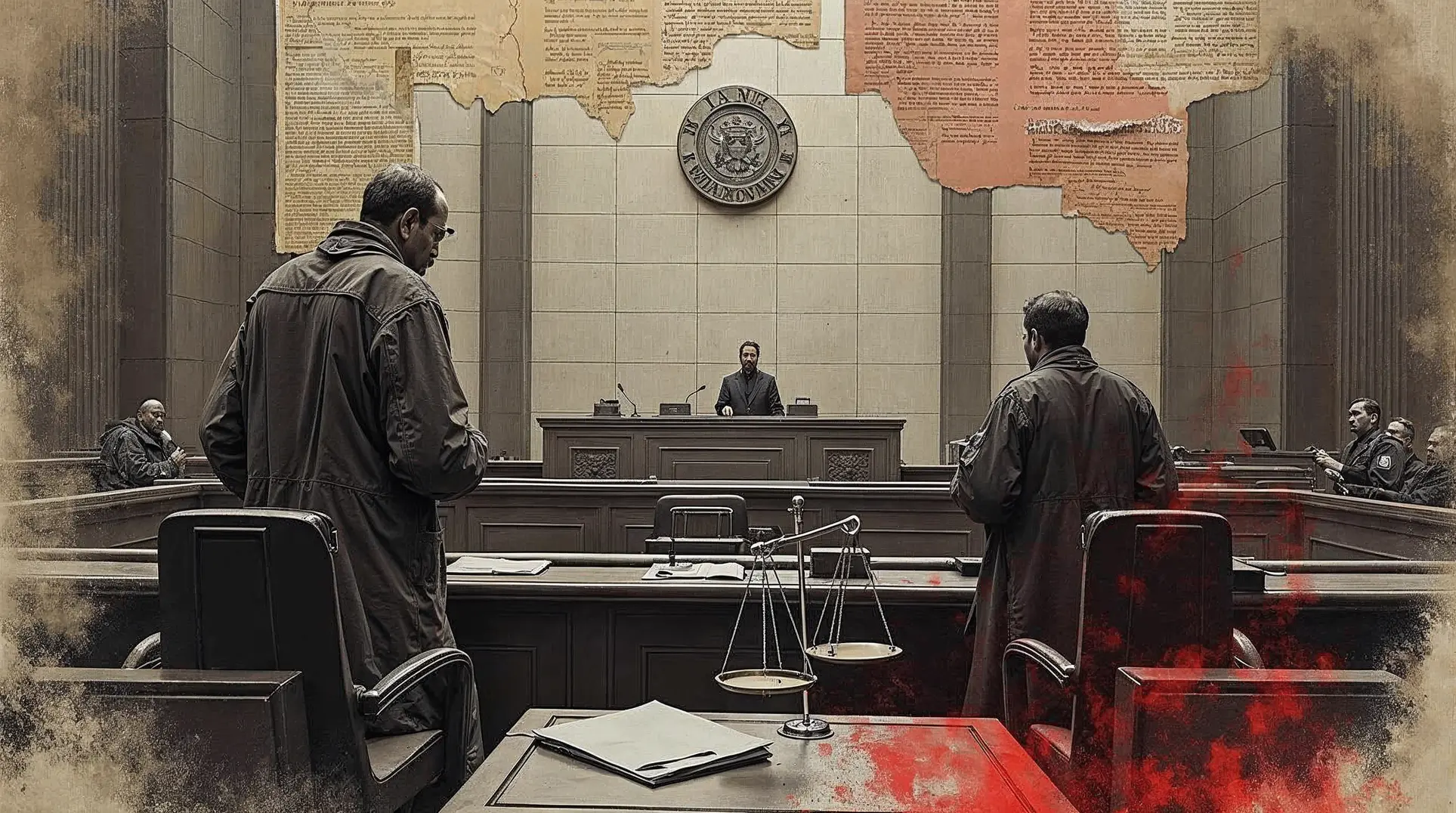
Members are reading: How Netanyahu's pardon request forces Herzog to choose between executive mercy and judicial independence—and what precedent it sets.
What happens next
Herzog's stated commitment to transparency and "what's best for the state" suggests he will likely solicit formal opinions from the Justice Ministry and possibly the Attorney General before deciding. This process-aware approach would allow him to frame any decision as grounded in institutional consultation rather than unilateral executive discretion. Experts note that clemency decisions involve multiple parties and institutional opinions, particularly in cases as politically sensitive as this one.
The immediate question is procedural: will Herzog treat this as a standard clemency request, subject to the same exhaustion-of-appeals criteria as any other case, or will he invoke the public-interest exception rarely used for pre-conviction pardons? The answer will signal whether Israeli institutions can maintain their procedural integrity under simultaneous domestic coalition pressure and foreign diplomatic intervention. The real test is not Netanyahu's legal fate, but whether the boundaries between executive clemency and judicial process hold when political costs for respecting those boundaries are highest.
Subscribe to our free newsletter to unlock direct links to all sources used in this article.
We believe you deserve to verify everything we write. That's why we meticulously document every source.


