


At least 41 people died when intense thunderstorms triggered flash floods across Morocco on Sunday, December 14, authorities and state media reported. Safi province on the Atlantic coast bore the worst impact, with 37 fatalities confirmed by state-run 2M TV after torrential rain inundated the port city and surrounding areas in roughly one hour. Four more people were killed in southern Tinghir province when their vehicle was swept into a river between Fezou and El Hafira.
The death toll marks Morocco's deadliest flooding in at least a decade. Fourteen injured people remained under hospital care in Safi on Monday, while large-scale search-and-rescue operations continued. Authorities warned that more heavy rainfall is forecast in coming days, with snow expected across the Atlas Mountains. Schools in four provinces closed on Monday as emergency services maintained high alert.
Sudden deluge overwhelms coastal city
Sunday's storm struck Safi—a coastal city approximately 330 kilometers south of Rabat—with exceptional intensity. Witnesses described the downpour transforming streets into muddy torrents within minutes. At least 70 homes and businesses were inundated in Safi's densely built old medina, local authorities confirmed. Video footage showed residents wading through waist-deep floodwater as vehicles were overturned and swept away.
Roads in and around the city were cut by the deluge, blocking access to some neighborhoods and complicating rescue efforts. Traffic disruptions rippled across the region as emergency crews worked through Monday to reach isolated areas. One Safi resident told AFP the flooding was a "black day," saying he had lost everything.
The brief duration of the storm—about one hour of heavy rain—contrasted sharply with the scale of destruction, underscoring how quickly hardened, drought-strained soils shed water rather than absorbing it.
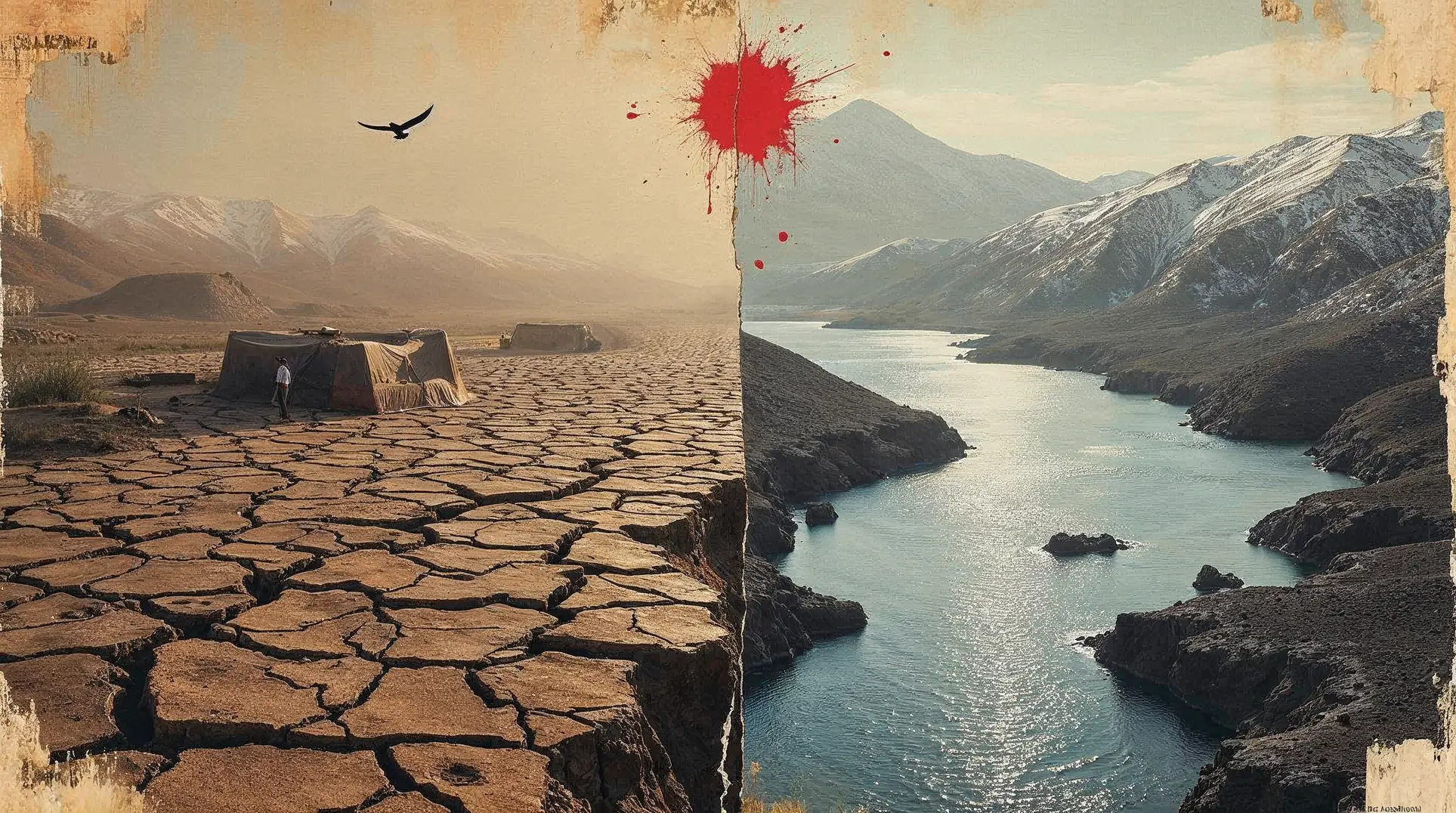
Members are reading: How seven years of drought transformed Morocco's landscape into a flash-flood trap—and why the next storm could be worse.
Nationwide impact and rising toll
The Tinghir fatalities—300 kilometers inland from Safi—demonstrate the geographic spread of Sunday's storm system. The four victims died when floodwaters from mountain runoff overwhelmed the river between Fezou and El Hafira, overturning their vehicle. Morocco's interior regions are particularly vulnerable as intense rain in higher elevations channels rapidly into valleys and river basins that can surge within hours.
Moroccan meteorological services issued warnings for additional heavy downpours across multiple provinces and significant snowfall in the Atlas range. The forecast compounds concerns that casualty counts may rise as rescue teams gain access to cut-off areas—a common pattern in natural disasters where preliminary tolls increase once communications and road access are restored.
The decision to close schools in four provinces on Monday reflected authorities' assessment that conditions remained dangerous. Emergency response teams from multiple agencies coordinated search-and-rescue operations across Safi and surrounding districts throughout Monday, with efforts expected to continue for several days.
Climate extremes and future preparedness
Morocco's shift from multi-year drought to sudden catastrophic flooding mirrors patterns experts attribute to climate change's impact on North African weather systems. The seven-year dry spell left reservoirs critically low and agricultural systems stressed, while the abrupt transition to heavy rainfall exposed how climate variability complicates long-term risk planning.
The deadliest flooding in a decade arrives as Morocco attempts to balance water conservation imperatives with flood-defense investments. The intensity of Sunday's cloudburst—sufficient destruction in one hour to kill 37 people in a single province—suggests current urban drainage and emergency response capacities may be insufficient for the new rainfall extremes the region now faces.
As rescue operations continue and authorities brace for additional storms, the immediate priority remains reaching isolated communities and providing emergency shelter. The broader challenge—adapting infrastructure and planning to a climate regime oscillating between prolonged drought and sudden deluge—will demand sustained national attention and resources long after floodwaters recede.
Subscribe to our free newsletter to unlock direct links to all sources used in this article.
We believe you deserve to verify everything we write. That's why we meticulously document every source.


