


Moroccan Royal Armed Forces have deployed rescue units to evacuate thousands of residents across the country's northwest after weeks of torrential rainfall forced authorities to release water from a dam at full capacity, triggering severe flooding along the Loukous River. State television reported Saturday that more than 20,000 people have been moved to emergency shelters.
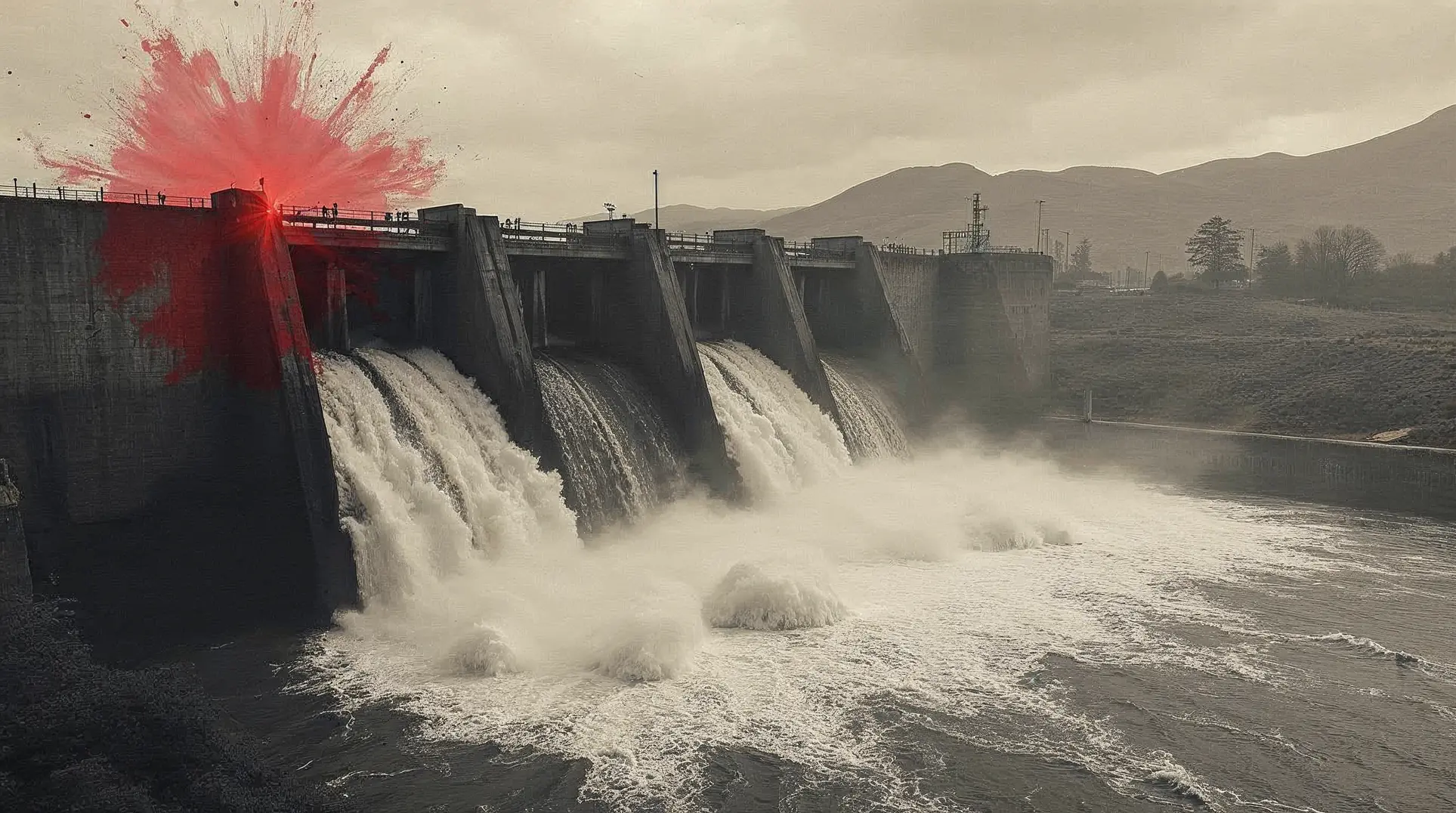
The flooding has concentrated in Ksar Kbir, a city located approximately 190 kilometers north of Rabat, where the Oued El Makhazine dam reached 100 percent capacity, forcing controlled water releases that overwhelmed the Loukous River's banks. Authorities raised the flood alert to maximum levels as drainage systems collapsed under the combined pressure of sustained rainfall and dam discharge.
Latest Situation Update
Emergency crews evacuated at least one hospital in Ksar Kbir after water infiltrated the facility, according to state media reports. The regional government has converted public buildings including schools and youth centers into temporary shelters, while deploying sandbags across vulnerable areas. Tétouan–Sania R'mel Airport was temporarily closed as a precautionary measure, and schools in Ksar Kbir will remain shuttered until February 7.
The crisis is expanding beyond the immediate flood zone. Authorities in neighboring Sidi Kacem province have evacuated several families from areas threatened by the rising water levels of the Sebou River as they raised vigilance levels. The Royal Armed Forces are conducting operations across multiple locations under royal instructions, coordinating with Morocco's national flood committee to manage the evolving situation. This follows deadly flooding in December that killed 37 people in the coastal city of Safi.
Members are reading: Analysis of cascading dam risks and whether Morocco's water infrastructure can handle sustained extreme rainfall.
Conclusion
The Moroccan flood crisis demonstrates the compound effects of extreme weather events interacting with infrastructure operating at maximum capacity. With more than 20,000 evacuees now in temporary shelters and flood warnings expanding to new provinces, emergency operations are expected to continue through the coming week as authorities monitor river levels and rainfall forecasts across the northwest region.
Subscribe to our free newsletter to unlock direct links to all sources used in this article.
We believe you deserve to verify everything we write. That's why we meticulously document every source.


