


The Mexican Navy located two sailboats carrying humanitarian aid to Cuba on Saturday, ending a search for the vessels and their nine-member multinational crew. The *Friendship* and *Tigger Moth*, part of the Nuestra America Convoy, had departed Isla Mujeres on March 20 but failed to arrive in Havana as scheduled.
 Alex Thompson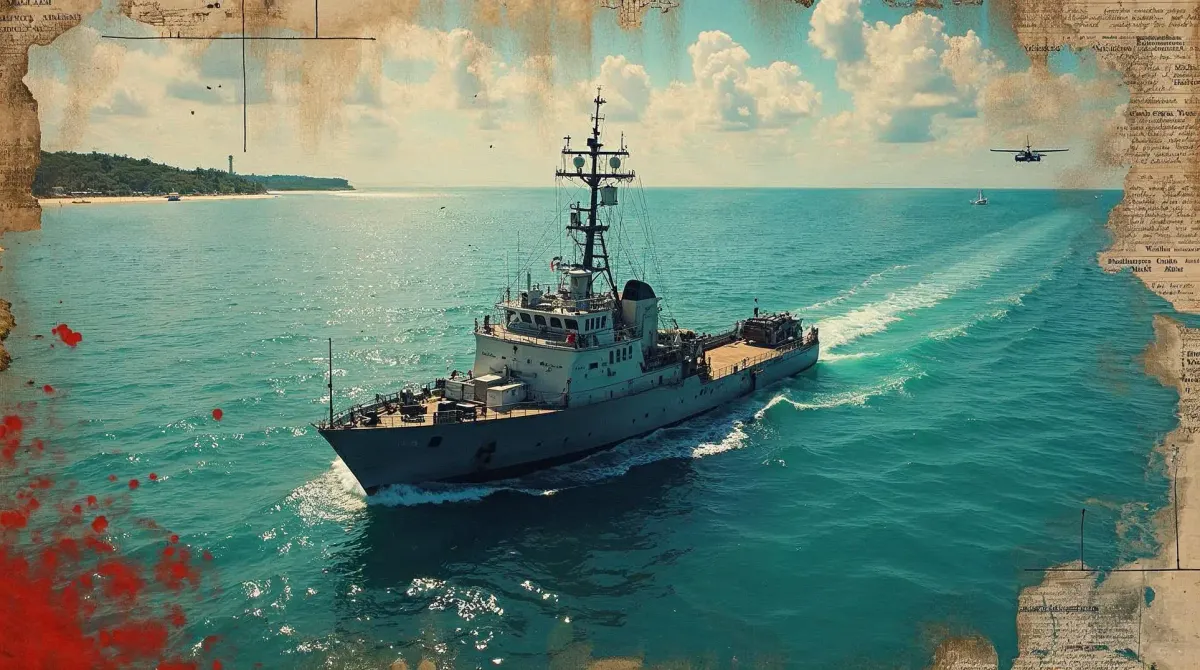
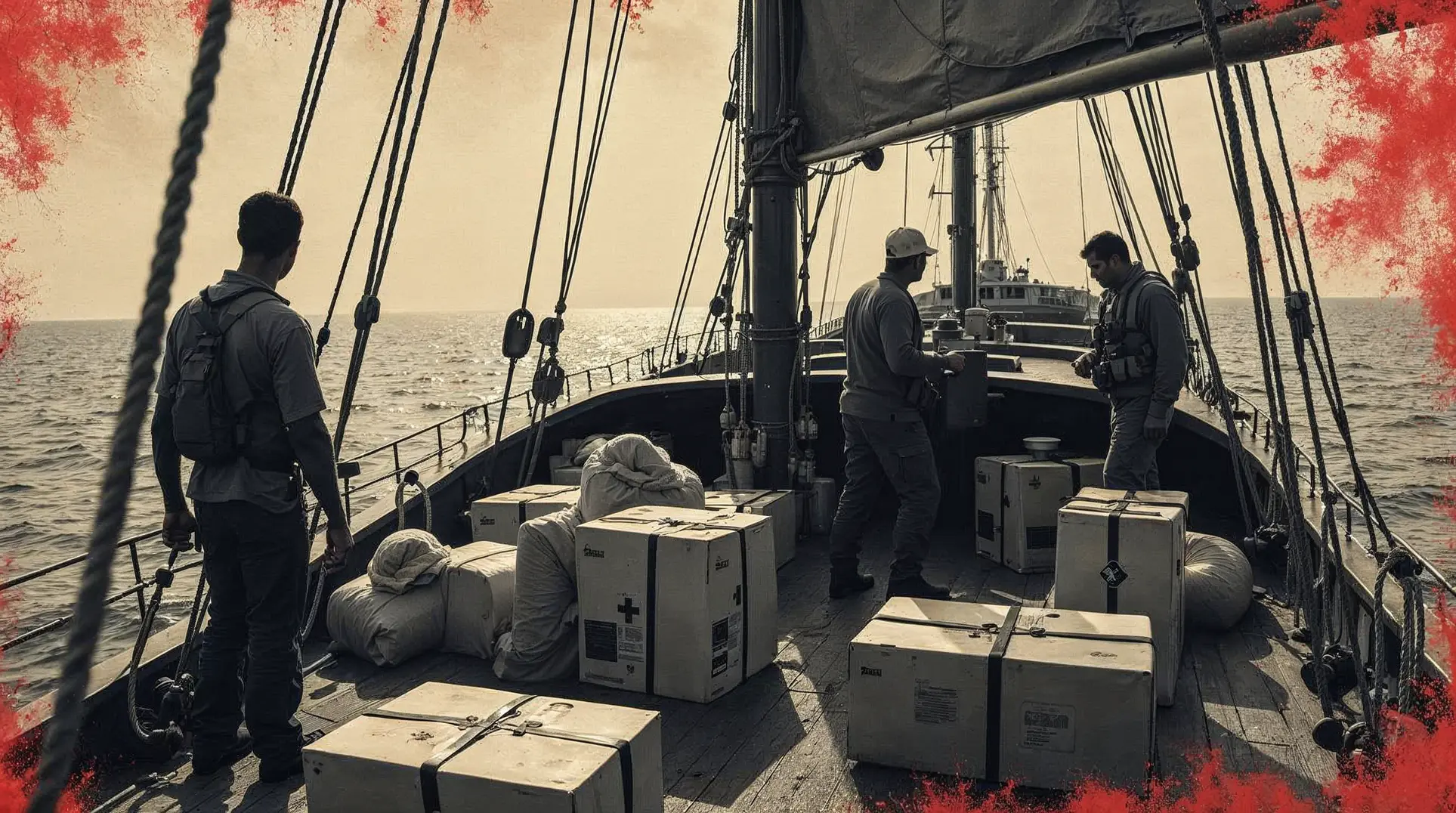
A spokesman for the Nuestra America Convoy confirmed all crew members are safe, with no injuries or damage to the vessels reported. The boats were carrying food, medicine, and energy-related supplies to Cuba, which faces one of its worst humanitarian crises since the 1959 revolution. The exact location where the Mexican Navy found the vessels has not been disclosed.
Search concludes without incident
Mexican naval aircraft conducted search operations across the projected route between Quintana Roo and Cuba after the convoy reported the vessels missing. The crews—comprising individuals from Poland, France, Cuba, and the United States—had maintained intermittent contact during their journey, with concern mounting among families and humanitarian organizations tracking the mission when communication ceased.
The safe recovery brings relief to a tense situation that underscored the precarious conditions facing those attempting to deliver essential supplies to Cuba through unofficial channels. Mexico navigates intense diplomatic pressure over Cuba aid, having suspended oil deliveries in January under U.S. tariff threats while permitting humanitarian shipments like the Nuestra America Convoy to proceed.
Members are reading: How grassroots aid routes function under embargo and what this incident signals
Humanitarian crisis context
Cuba currently faces severe fuel shortages, widespread blackouts lasting 12-20 hours daily, and collapsed aviation infrastructure following the U.S. oil blockade imposed in January 2026. The island's power generation systems, built with Soviet-era technology, operate without adequate maintenance or fuel after Venezuela—previously a major supplier—saw its oil exports resume and increase following political changes in Caracas, though shipments have faced disruption as the United States asserts control over Venezuela's oil sales infrastructure.
Progressive International, the leftwing political organization coordinating the Nuestra America Convoy, has organized multiple aid missions as international socialist groups acknowledge the severity of conditions facing Cuba's population. The multinational composition of the crews reflects the international solidarity behind efforts to circumvent blockades and deliver supplies directly to communities experiencing deprivation.
Cuban President Miguel Díaz-Canel expressed concern over the missing vessels on social media, stating that his government was doing everything possible in the search and rescue efforts. The resolution of this search operation prevents what could have escalated into a larger crisis, while highlighting the ongoing humanitarian imperative that drives such risky missions.
Subscribe to our free newsletter to unlock direct links to all sources used in this article.
We believe you deserve to verify everything we write. That's why we meticulously document every source.


