


IDF operations target Radwan Force infrastructure as Lebanon struggles to assert sovereignty and both sides navigate competing interpretations of the November 2024 agreement
The Israel Defense Forces announced airstrikes against Hezbollah's Radwan Force in southern Lebanon on November 6, 2025, marking another escalation in the post-ceasefire environment that has characterized Israeli-Lebanese relations for nearly a year. The IDF framed these operations as preemptive strikes against "terrorist infrastructure" and weapon storage facilities, alleging that Hezbollah's elite special operations unit was re-establishing capabilities intended to threaten Israeli territory. The strikes, preceded by evacuation orders to Lebanese villages, reveal the calculated nature of Israel's military engagement—a deliberate effort to neutralize perceived threats while managing the optics of civilian harm.
This latest military action follows the November 2024 ceasefire agreement that ended 13 months of intensive conflict between Israel and Hezbollah. Yet the fragility of that peace has been evident from the start, with both sides conducting sporadic operations that test the boundaries of the agreement. The Lebanese government, under intense international pressure to disarm Hezbollah by the end of 2025, finds itself caught between external demands and domestic realities. President Joseph Aoun has condemned the Israeli strikes as violations of Lebanese sovereignty and UN Resolution 1701, while Hezbollah continues to assert its "legitimate right" to resist Israeli aggression.
Can a ceasefire hold when both parties maintain fundamentally incompatible interpretations of its terms, and when the structural conditions that produced the conflict—Hezbollah's parallel military authority, Iran's regional proxy network, and Israel's security doctrine of preemptive action—remain unchanged?
The Radwan Force: Israel's primary threat assessment
The Radwan Force represents the sharp edge of Hezbollah's military capabilities. Established as an elite special operations unit with a specific mandate to infiltrate Israeli territory and conduct offensive operations deep inside Israel's border communities, the force has evolved through years of combat experience in Syria's civil war. Israeli security assessments view the Radwan Force not merely as a defensive militia but as an offensive instrument designed to execute complex cross-border operations.
The unit's combat credentials are substantial. Radwan Force fighters gained experience battling Syrian opposition forces and extremist groups alongside Assad's military, developing urban warfare skills and operational discipline that distinguish them from conventional militia forces. Since October 7, 2023, the unit has been actively engaged in skirmishes along the Lebanon-Israel border, demonstrating its readiness to operate in the contested frontier zone.
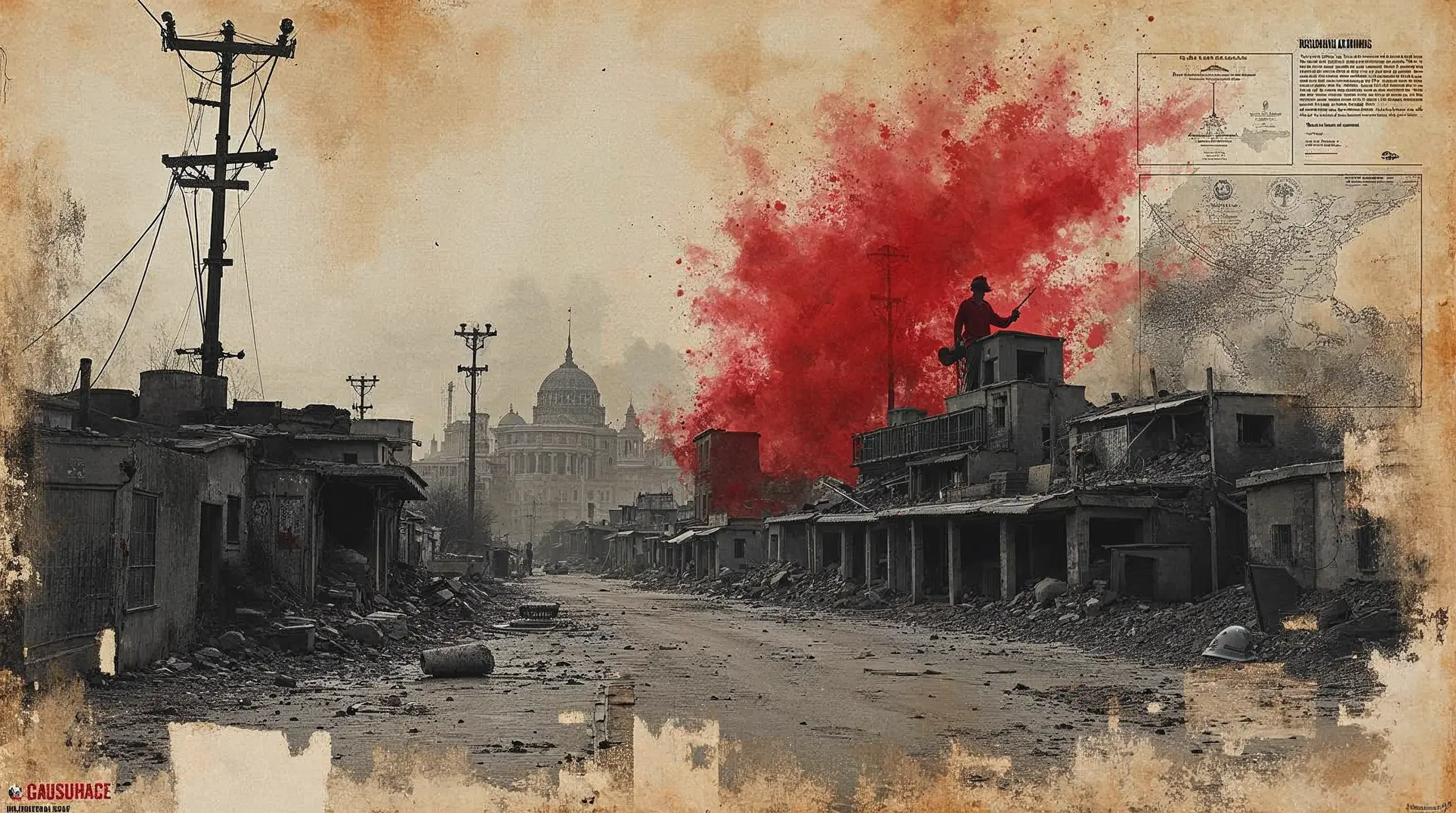
Members are reading: How Israeli strikes and Hezbollah's response create a dangerous cycle where ceasefire terms become weapons in themselves.
Lebanon's sovereignty crisis: Between international demands and domestic realities
The Lebanese government's position illuminates the profound challenges of asserting state authority in a fractured political system. President Aoun's condemnation of Israeli strikes, while politically necessary domestically, cannot be backed by meaningful action to prevent Hezbollah's military activities that prompted those strikes. This reflects Lebanon's fundamental governance crisis: a state that lacks monopoly on the use of force within its own territory.
The international community's demand that Lebanon disarm Hezbollah by end-2025 assumes a degree of state capacity that simply does not exist. Hezbollah is not merely an armed group operating within Lebanon—it is a political party with parliamentary representation, a social services network that provides healthcare and education to Shia communities, and a military force more capable than Lebanon's official army. Any attempt by the Lebanese state to forcibly disarm Hezbollah would likely trigger civil conflict that the state would lose.
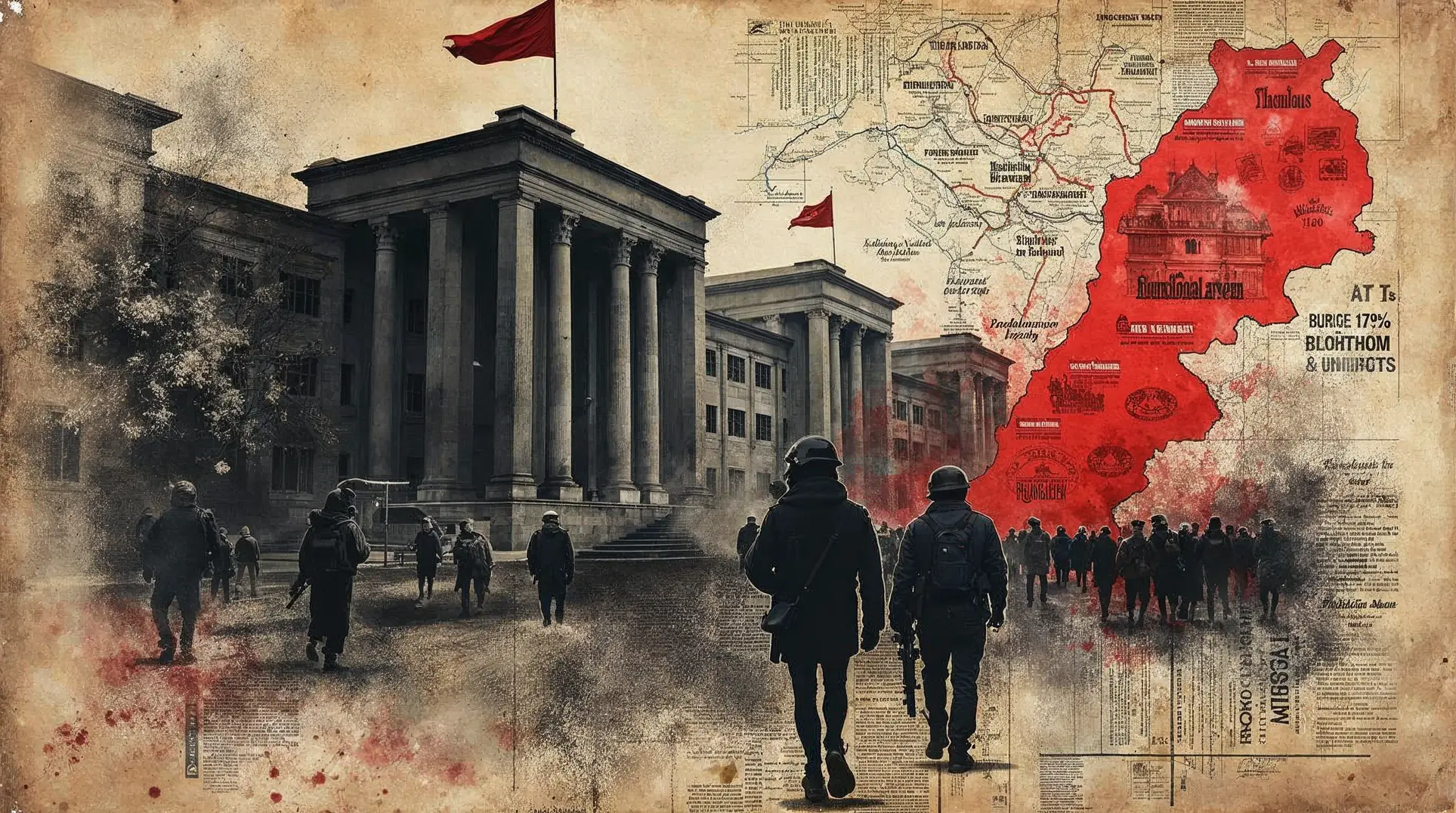
Members are reading: Why Lebanon's disarmament deadlines ignore the regional power structures that make Hezbollah's weapons valuable to Tehran and essential to Shia political power.
Regional implications: Proxy warfare and the limits of ceasefire architecture
The Israeli strikes on Radwan Force infrastructure must be understood within the broader context of regional proxy warfare. Hezbollah exists not as an independent actor pursuing purely Lebanese interests but as a critical component of Iran's regional strategy. The organization receives weapons, funding, training, and strategic direction from Tehran's Islamic Revolutionary Guard Corps. This external sponsorship is both Hezbollah's greatest strength and the fundamental obstacle to any sustainable de-escalation.
Israel's military operations target not just Hezbollah as an organization but the Iranian strategic presence on its northern border. Every weapons cache destroyed, every fortification dismantled, degrades not just Hezbollah's tactical capabilities but Iran's ability to project power and threaten Israeli territory through its most capable proxy. From this perspective, the strikes serve a deterrent function beyond their immediate tactical objectives: demonstrating to Tehran the costs of rebuilding offensive infrastructure near Israel's border.
Yet this strategy faces inherent limitations. As long as Iran retains the will and capability to resupply Hezbollah, Israeli strikes produce temporary tactical gains but cannot achieve strategic victory. Hezbollah demonstrated resilience during the 2023-2024 conflict, absorbing substantial losses while maintaining organizational coherence. The group's deep roots in Lebanese Shia communities, its social welfare networks, and its ideological commitment suggest it will continue reconstituting capabilities as long as Iranian support flows.
The ceasefire agreement's fragility reflects this fundamental mismatch between the conflict's regional dimensions and the national-level framework of negotiated agreements. Ceasefires between Israel and Hezbollah attempt to regulate through bilateral arrangements what is actually a trilateral dynamic involving Iran. Tehran is not a party to the ceasefire negotiations, yet its strategic decisions about arms transfers, funding, and operational directives shape Hezbollah's capabilities and intentions.
This structural problem appears across multiple Middle Eastern conflicts. Proxy warfare allows regional powers to compete while maintaining plausible deniability and avoiding direct confrontation. But it also makes conflict resolution extraordinarily difficult, because local agreements cannot address the external sponsorship that sustains armed groups and the regional competition that provides their strategic purpose.
The path ahead: Managed escalation or renewed conflict?
The November 6 strikes reveal a pattern likely to persist: Israel will conduct periodic operations against infrastructure it deems threatening; Lebanon will condemn these as sovereignty violations; Hezbollah will assert its resistance rights; and both sides will carefully calibrate their responses to avoid crossing thresholds that would trigger full-scale war. This is managed escalation—sustained military activity that stops short of the intensity that would shatter the ceasefire entirely.
For Israel, this approach serves multiple objectives: degrading Hezbollah's offensive capabilities, demonstrating resolve to its own public, and signaling to Iran that proxy infrastructure will be contested. The risk is that one of these "limited" operations—perhaps due to civilian casualties, miscalculation, or Hezbollah's need to demonstrate credible deterrence—triggers a response cycle that escalates beyond either party's intention.
For Hezbollah and Lebanon, the challenge is managing the contradiction between asserting sovereignty and lacking the power to enforce it. Hezbollah cannot simply absorb repeated strikes without response, as this would undermine its deterrent credibility. Yet major retaliation would invite Israeli escalation that could devastate Lebanese infrastructure already stressed by economic crisis. The organization must thread the needle between demonstrating resistance and avoiding catastrophic escalation.
The Lebanese government, meanwhile, faces impossible demands. International pressure to disarm Hezbollah assumes state capacity that does not exist and ignores the regional dynamics that make such disarmament contrary to Iranian strategic interests. Yet failure to make progress toward disarmament invites continued Israeli operations justified as filling the security vacuum Lebanese authorities cannot address.
The most likely trajectory is continued instability: periodic Israeli strikes when intelligence indicates capability rebuilding, Hezbollah responses calibrated to avoid full war, Lebanese governmental protests lacking enforcement power, and international mediation efforts that cannot address the structural drivers of conflict. The ceasefire survives not because it resolves underlying tensions but because both sides calculate that resumed large-scale warfare serves neither their interests.
This is the reality of proxy conflicts in the contemporary Middle East: intractable competitions managed through calibrated violence that inflicts sustained costs on civilian populations while avoiding the decisive confrontations that would force actual resolution. The IDF's strikes on the Radwan Force are not aberrations but illustrations of how regional power competition manifests in tactical military operations that respect no sovereignty and acknowledge no permanent peace.
The question is not whether this pattern will continue—it almost certainly will—but whether it can be sustained indefinitely, or whether accumulating provocations, miscalculations, and domestic political pressures on all sides will eventually overwhelm the incentives for restraint. The ceasefire holds, for now. But in southern Lebanon, as in much of the Levant, peace means merely the absence of total war, not the presence of genuine security.
Subscribe to our free newsletter to unlock direct links to all sources used in this article.
We believe you deserve to verify everything we write. That's why we meticulously document every source.


