


SDF warns militant group seeks to exploit pressure from Damascus-affiliated forces in northern and eastern Syria
The Syrian Democratic Forces issued a formal warning on Thursday that the Islamic State is preparing coordinated attacks on detention facilities holding thousands of its members, capitalizing on heightened military tensions across northern and eastern Syria. The SDF statement identified ISIS cells as actively planning operations against prisons amid what it described as "attacks from Damascus-affiliated factions, along with accompanying military mobilizations and ongoing threats" against areas under its control.
The warning signals a dangerous convergence of Syria's fragmented security landscape, where competing pressures on the Kurdish-led force are creating exploitable vulnerabilities for dormant militant networks. The SDF currently guards approximately 10,000 ISIS fighters in makeshift detention centers while simultaneously managing approximately 56,000 family members in displacement camps—a security burden now complicated by renewed confrontation with Damascus-backed militias and persistent Turkish pressure along the northern border.
The opportunistic threat
ISIS has demonstrated consistent capability to exploit security distractions for large-scale prison operations. The January 2022 assault on al-Sina'a prison in Hasakah province remains the blueprint: coordinated external attacks synchronized with internal uprisings resulted in a ten-day battle requiring U.S. air support to contain. That operation aimed explicitly at freeing experienced fighters capable of reconstituting operational cells rather than simply symbolic defiance.
The current warning suggests ISIS planners have identified a similar opportunity window. The SDF faces simultaneous pressure from multiple directions: Turkish-backed forces maintain threatening positions along the northern border following recent reinforcements, while Damascus-affiliated militias have intensified probing actions in Deir ez-Zor and other mixed-control zones. This multi-front pressure diverts SDF resources and attention from static detention security—precisely the conditions ISIS requires for complex prison assault operations.
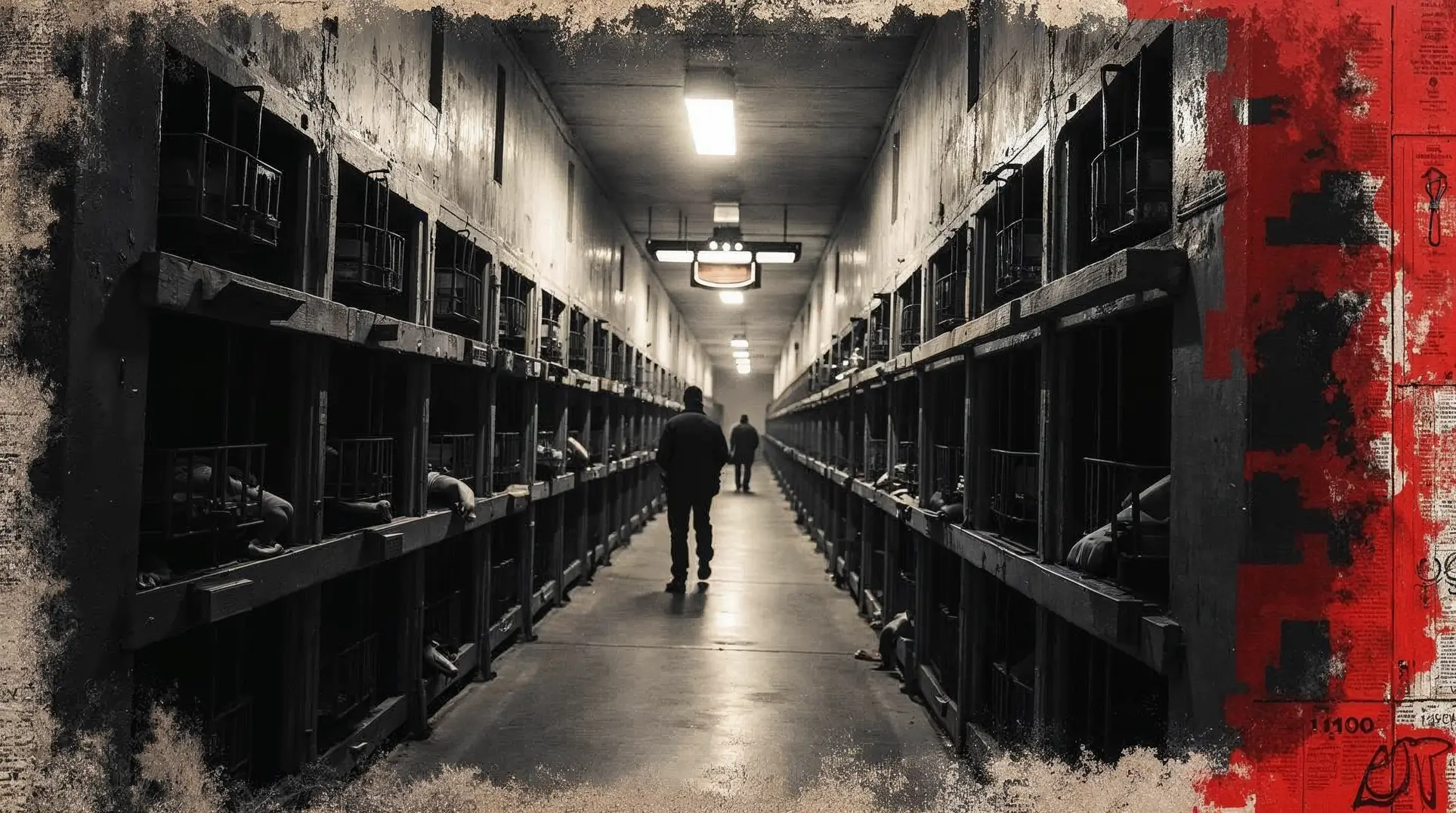
Detention facilities across northern Syria lack hardened infrastructure. Most are converted schools or warehouses, secured primarily through perimeter guards rather than reinforced architecture. When those guards must be redeployed to active front lines, vulnerability increases exponentially.
Members are reading: How Syria's fragmented security landscape creates the precise conditions ISIS requires for reconstitution operations.
Competing priorities and unintended consequences
The timing of the SDF warning coincides with intensified Damascus rhetoric about reasserting control over all Syrian territory. Pro-government militias have increased checkpoints and patrols in areas of contested control, particularly around Deir ez-Zor where tribal politics complicate clear territorial divisions. These actions, framed by Damascus as sovereignty restoration, force the SDF into defensive postures that necessarily reduce capacity for static security missions like prison management.
Meanwhile, Turkey's continued military presence in northern Syria and periodic threats of expanded operations create a separate axis of pressure. The SDF must maintain defensive readiness along hundreds of kilometers of potential front line, dispersing forces that might otherwise concentrate on internal security threats. This creates gaps in coverage that ISIS intelligence networks can identify and potentially exploit.
The result is a self-reinforcing cycle: external military pressure on the SDF creates security gaps, ISIS attempts to exploit those gaps through prison attacks, and any successful operation would justify further external pressure while simultaneously strengthening the very militant threat all parties claim to oppose.
The international coalition's counter-ISIS mission continues, but its scope focuses primarily on kinetic operations against active cells rather than comprehensive support for detention infrastructure. This leaves fundamental questions unresolved about long-term responsibility for thousands of fighters and their families, even as the immediate tactical threat of prison breaks becomes more acute. The SDF's warning represents not just an intelligence assessment, but a reminder that Syria's unresolved political fractures create operational space for the forces all sides claim to have defeated.
Subscribe to our free newsletter to unlock direct links to all sources used in this article.
We believe you deserve to verify everything we write. That's why we meticulously document every source.


