


The human cost of Hurricane Melissa continues to mount across the Caribbean, with confirmed deaths reaching at least 40 between Jamaica and Haiti—a figure authorities warn represents only a preliminary accounting as rescue teams penetrate areas cut off by catastrophic flooding and infrastructure collapse. The Category 5 storm, which delivered a direct strike to Jamaica as the strongest hurricane to hit the island since 1851, now churns northward toward Bermuda, where residents are boarding windows and stocking emergency supplies as tropical storm conditions are expected within hours.
Jamaica bears the distinction of enduring Melissa's full fury at peak intensity, with early damage assessments suggesting economic losses approaching $22 billion—a staggering sum for a nation with an annual GDP near $16 billion. Haiti, already reeling from years of political instability and gang violence, faces a compounding catastrophe as floodwaters have claimed between 20 and 30 lives, including at least 10 children swept away in flash floods. Cuba, struck as Melissa weakened slightly to Category 3, reported extensive damage to agricultural areas and coastal communities.
What happens when a slow-moving meteorological monster collides with nations whose infrastructure was already fragile, whose emergency response systems were already strained, and whose populations were already vulnerable—and how do you count the dead when the roads to reach them no longer exist?
The Storm's Unprecedented Intensity
Hurricane Melissa's rapid transformation from tropical disturbance to Category 5 juggernaut represents one of the most extreme intensification events on meteorological record. Within 18 hours, Melissa exploded from tropical storm status to a Category 4 hurricane with sustained winds exceeding 130 mph. Six hours later, reconnaissance aircraft measured winds of 160 mph—Category 5 threshold—as the storm bore down on Jamaica's northeastern coast.
This explosive development gave emergency managers minimal time to execute evacuation protocols. Jamaica's Meteorological Service issued its first hurricane watch on Monday evening; by Wednesday morning, Melissa was making landfall as a catastrophic storm. The compression of warning time helps explain why casualty figures remain uncertain—many coastal residents simply had insufficient hours to reach designated shelters.
The storm's slow forward motion, crawling westward at just 8 mph before stalling briefly over Jamaica's interior, transformed what might have been a devastating but survivable event into something approaching an extinction-level crisis for affected communities. Rainfall totals exceeded 30 inches in mountainous regions, triggering mudslides that buried entire neighborhoods in Port Antonio and surrounding parishes.
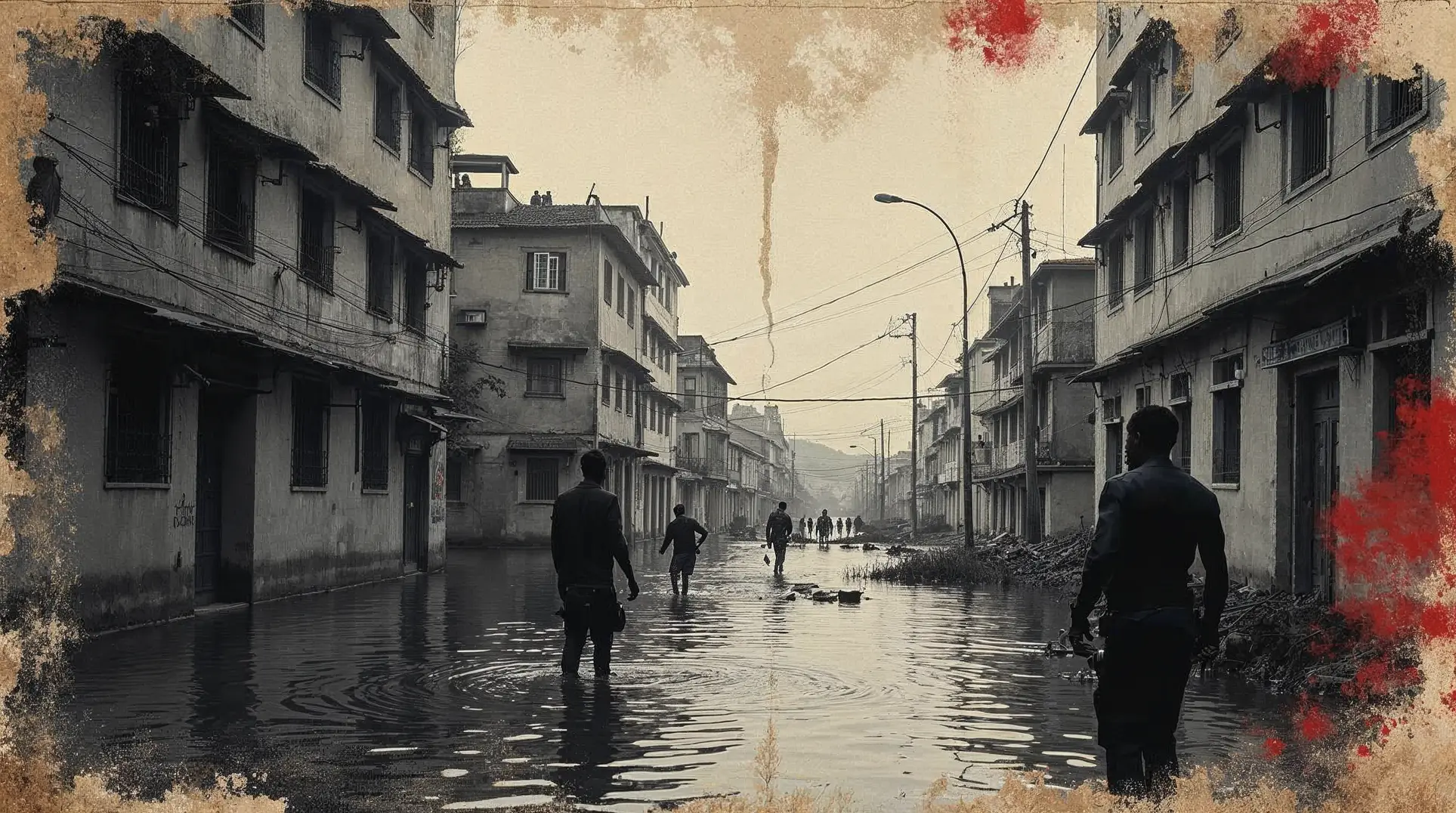
Members are reading: How Haiti's gang-controlled territories are preventing rescue teams from reaching flood victims, multiplying the death toll beyond natural disaster thresholds.
Jamaica's Infrastructure Reckoning
Jamaica's government declared a state of emergency covering seven of the island's 14 parishes as initial damage surveys revealed what Prime Minister Andrew Holness described as "total devastation" across the northeastern coast. The $22 billion damage estimate—if confirmed—would exceed 130% of Jamaica's annual economic output, placing the nation in the category of countries facing existential reconstruction challenges.
Power infrastructure sustained catastrophic damage, with Jamaica's national grid experiencing near-total collapse. The Jamaica Public Service Company reported that 95% of customers lost electricity, with restoration timelines measured in weeks rather than days. Communication networks fared similarly—mobile phone service remains unavailable across much of the island, severely hampering damage assessment efforts and family reunification attempts.
Kingston's Norman Manley International Airport sustained significant damage to its main terminal, forcing closure until at least next week. This compounds Jamaica's isolation, as the main port facility in Kingston also reported extensive damage to cargo handling equipment and dock infrastructure. The combination effectively severs Jamaica's physical connection to international supply chains at precisely the moment when emergency supplies are most needed.
The death toll revision from initial reports of 3-8 fatalities to the current nine confirmed deaths—with dozens still missing—reflects the communication breakdown. Parish-level emergency coordinators in Portland and St. Thomas parishes report they have not yet reached multiple coastal communities where the storm surge exceeded 15 feet. Each passing day without contact increases the likelihood that missing persons lists will convert to confirmed fatalities.
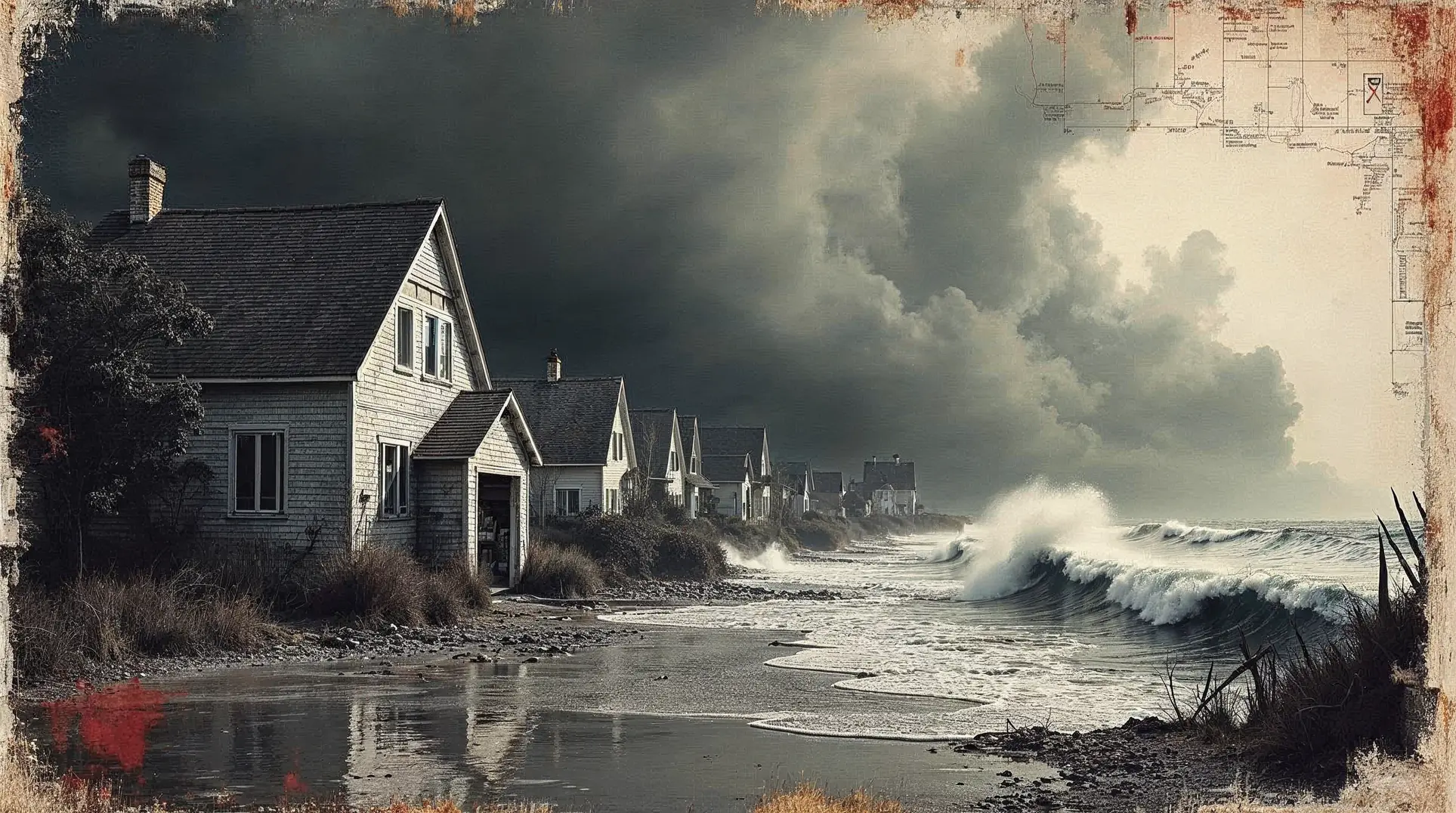
Members are reading: Why Bermuda's superior building codes and wealth may not be enough to prevent catastrophe when a slow-moving Category 4 storm delivers 48 hours of punishment.
International Response: Racing Against Time and Geography
The United Nations has mobilized humanitarian assistance teams for Jamaica, Cuba, and Haiti, but logistical realities constrain the speed of response. UN Emergency Relief Coordinator Martin Griffiths stated that pre-positioned supplies in regional warehouses would begin flowing to affected areas within 72 hours—but those supplies must reach populations whose access roads have been destroyed by landslides and whose ports have sustained major damage.
The United States has deployed disaster response teams from USAID and FEMA, with initial focus on Jamaica due to its status as a key regional partner. A USAID Disaster Assistance Response Team departed Miami on Thursday, carrying satellite communications equipment and damage assessment specialists. These teams face the challenge of operating in an environment where traditional coordination infrastructure—government command centers, functioning telecommunications, passable roads—no longer exists in many affected areas.
Cuba's government has requested international assistance for the first time since Hurricane Ian in 2022, signaling the severity of agricultural damage in eastern provinces where Melissa made landfall. Preliminary reports indicate extensive destruction to coffee and sugar plantations, with potential impacts on Cuba's already fragile food security situation.
For Haiti, the international response faces the additional complexity of operating in active conflict zones. Several aid organizations have indicated they will require security guarantees—potentially including armed escorts—before deploying teams to gang-controlled flood zones. This requirement delays response while survivors wait in floodwaters that grow more contaminated with each passing hour, raising the specter of waterborne disease outbreaks that could multiply the death toll days or weeks after floodwaters recede.
The Provisional Count: Why Numbers Will Rise
The current death toll of at least 40—combining Jamaica's nine confirmed fatalities with Haiti's 20-30 and several deaths in Cuba—represents what disaster response experts call the "immediate casualty count": deaths directly attributable to storm impact and observable to functioning authorities. History suggests this number will increase substantially as assessment efforts penetrate more remote areas.
Jamaica's missing persons lists continue to grow, with parish officials in Portland and St. Thomas reporting they have not yet established contact with approximately a dozen coastal communities. Each of these settlements housed between 50 and 200 residents before Melissa struck. The communication blackout means authorities do not know whether residents successfully evacuated or whether they remain trapped—or worse.
Haiti's count faces even greater uncertainty. The 20-30 figure represents confirmed recoveries of bodies from floodwaters in areas accessible to emergency responders or journalists. Vast sections of Port-au-Prince and the Artibonite Valley remain beyond reach, their fate unknown because armed groups prevent access. The true toll could be double or triple the provisional count.
Secondary mortality—deaths occurring in the days and weeks after the storm due to lack of medical care, contaminated water, disease outbreaks, or chronic disease exacerbation—rarely appears in official hurricane statistics but can exceed immediate casualties in catastrophic events. Haiti's collapsed healthcare system and contaminated flood waters create ideal conditions for cholera resurgence, a disease that killed thousands in the aftermath of Haiti's 2010 earthquake.
Conclusion: Counting the Dead in a Fractured Region
Hurricane Melissa has exposed the brutal arithmetic of natural disasters striking nations with vastly different capacities for response. Jamaica faces an economic catastrophe that will require years of recovery and billions in international assistance, but possesses functioning state institutions that can eventually rebuild. Cuba's centralized disaster response system, refined over decades of hurricane experience, will mobilize resources to restore damaged areas despite economic constraints. Haiti confronts something altogether different: a natural disaster multiplied by state collapse, where armed groups control access to victims and basic governance does not exist to coordinate rescue.
The provisional death toll of 40 will almost certainly double, possibly triple, as the fog of disaster lifts and assessment teams reach isolated areas. But beyond the numbers lies a more fundamental question about resilience in the climate change era: what happens to nations already on the edge when Category 5 storms become more frequent? Bermuda, now bracing for impact, represents the test case for whether superior infrastructure and preparation can overcome raw meteorological power.
The next 48 hours will reveal whether wealth and building codes can protect a small island from a slow-moving catastrophe—or whether Melissa will add another chapter to the Caribbean's growing catalog of climate-amplified disasters that overwhelm even the most prepared societies.
Subscribe to our free newsletter to unlock direct links to all sources used in this article.
We believe you deserve to verify everything we write. That's why we meticulously document every source.


