


Developing story
We are following this story for new developments and will update this article when significant news emerges. See the updates below.
Monitored since 20 November 2026 | last update 20 November 2026, 16:01 CET
Key takeaways
- Saudi Civil Defense said a Houthi attack damaged several floors of Riyadh's PIF Tower, and reported no injuries.
- Three sources told Reuters a Houthi missile struck the building, while Saudi officials first spoke of falling debris and shrapnel.
- Riyadh has announced no specific retaliation for the tower strike, and the Houthis have said the financial centre will remain a target for their forces.
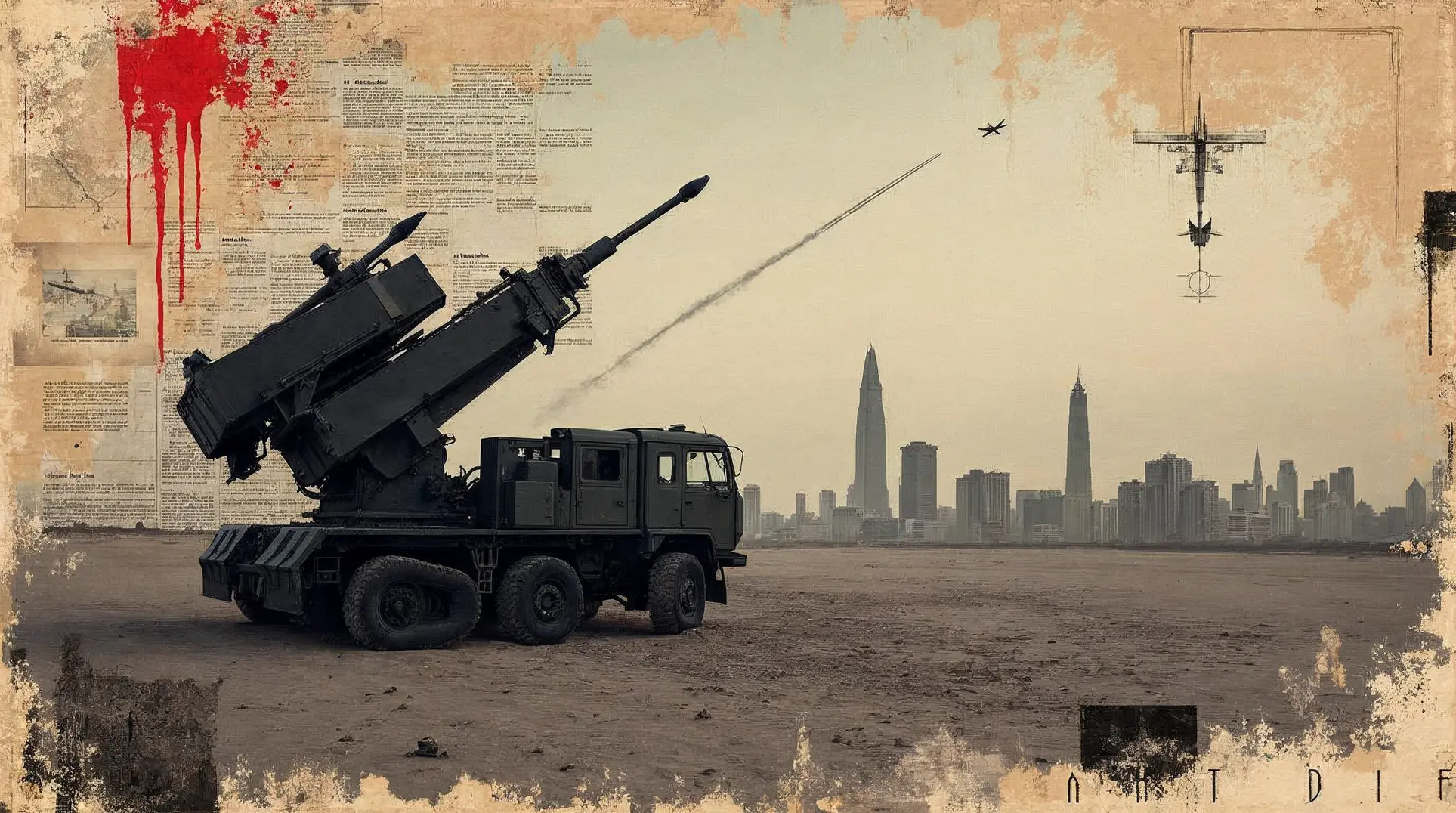
Residents of Riyadh woke to a loud explosion in the early hours of Thursday. By morning, windows were blown out on the city's tallest skyscraper. Saudi Civil Defense said an attack by the Houthis, the Iran-aligned movement that controls Sanaa, caused "material damage" to several floors of a tower in the King Abdullah Financial District (KAFD) and to nearby buildings. The statement, carried by the Saudi Press Agency (SPA), reported no injuries and did not name the tower. An accompanying photograph published by SPA showed it was the Public Investment Fund (PIF) Tower, Reuters reported, while Al Jazeera said a Civil Defense social media post carried an image of the 80-storey tower, the headquarters of the Saudi sovereign wealth fund.
Saudi officials had first described something smaller. They spoke of "falling shrapnel", which the New York Times reported is what usually results from a missile or drone interception. Coalition spokesman Maj. Gen. Turki al-Maliki said forces had dealt with a missile threat launched by the Houthis towards Riyadh and that a preliminary assessment indicated falling debris had caused material damage. Three sources familiar with the matter told Reuters that an incoming Houthi missile struck the building. A Times reporter described black scorch marks across the midsection of the tower and shattered windows on approximately five floors. Reuters reported seven to eight. The PIF did not reply to the Times' request for comment. It acknowledged receiving Reuters' request, and Reuters reported that the fund said it would revert.
Two Houthi claims and a standing threat
Houthi military spokesman Yahya Saree said online that the group hit Riyadh's financial district twice on Thursday, at dawn and again in the evening. The business news site AGBI reported that the post said the financial centre would remain a target, while UPI quoted Saree as saying the sites would stay targets as long as Saudi Arabia continued what he called crimes against civilians. The Times said the Houthis typically describe such attacks as retaliation for Saudi airstrikes in Yemen. Saree also claimed strikes on King Khalid International Airport in Riyadh and other Saudi sites. Saudi authorities confirmed none of them.
The claims do not show that both attacks hit the tower. No report confirms damage from the evening claim. On Friday morning the Saudi-led coalition said it had intercepted a ballistic missile and drones fired towards the south, AGBI reported. No report confirms further damage in Riyadh's financial district.
It was the second hit on the district in under two weeks. On 8 November, Reuters reported, the Houthis said they had hit an Aramco building there, and several floors showed visible damage. Al Jazeera reported that Saudi officials blamed falling debris from an attempted attack.
Observers are reading: how the PIF Tower strike links Vision 2030 confidence to Riyadh's narrowing options in Yemen.
Become an Observer, it's free. Get full access to all Crisis.Zone analysis, briefings and breaking coverage.
What to watch
Two markers will show where this goes. The first is whether the Houthi threat against the financial centre produces repeat hits, and whether Saudi authorities or independent reporting confirm them. The second is whether Riyadh turns "all necessary measures" into a specific escalation. None has been announced.
The wider war leaves little room for a quick diplomatic exit. Fighting in Yemen escalated this summer, years after the 2022 truce formally expired. On Tuesday, US airstrikes hit Qeshm Island. Early on Wednesday, Bahrain said it intercepted Iranian aerial attacks, and Iran said it targeted US drone and missile sites in Kuwait, Reuters reported. Qatar-mediated talks on the wider US-Israeli war with Iran have produced no breakthrough. The sources provided call the Houthis Iran-backed but do not tie Iran to Thursday's strike. For now, a tower with its windows out marks how close the war has come to the kingdom's economic centre.
Updates
20 November 2026, 16:01 CET
The Saudi-led coalition announced on Friday a military operation against Houthi capabilities across Yemen, including Hodeidah Port and sites in Sanaa, Saada and Taiz. Houthi-run media reported airstrikes on Sanaa and Saada.
Become an Observer (it's free) to unlock direct links to all sources used in this article.
We believe you deserve to verify everything we write. That's why we meticulously document every source.


