


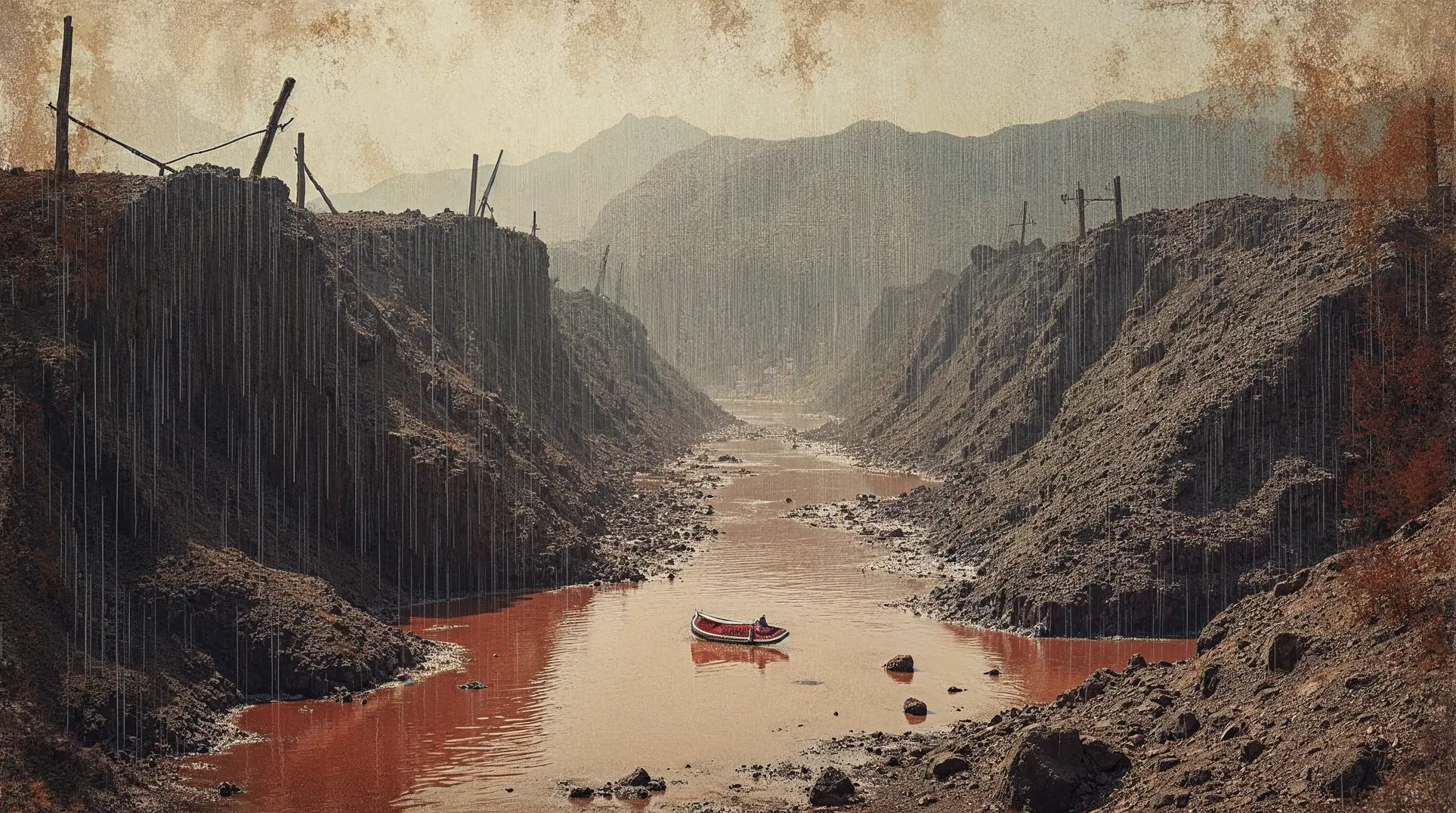
Heavy rains triggered a landslide at the Rubaya coltan mine in eastern Democratic Republic of Congo on March 4, killing more than 200 people according to the Congolese mines ministry. Approximately 70 children are among the dead in a disaster that represents the second mass-casualty event at the same site in less than two months.
The Rubaya mining complex in North Kivu province has been under M23 rebel control since April 2024. This latest tragedy follows a January 2026 landslide at the site that killed more than 200 people, with some estimates suggesting the toll exceeded 400. The recurrence exposes a pattern of structural violence where economic desperation, environmental vulnerability, and contested governance converge with deadly consequences for communities with no alternative means of survival.
Competing narratives obscure accountability
The Congolese government has attributed both disasters to unsafe exploitation practices by M23 forces controlling the territory. Mines ministry officials point to the rebel group's failure to implement safety protocols at a site producing an estimated 15-30% of the world's coltan—a critical mineral for smartphone and laptop manufacturing. M23 representatives have countered that the landslides result from extreme weather conditions beyond their control, while criticizing the Kinshasa government's historical failures in mining safety oversight.
This blame exchange reveals the complexity of accountability in a conflict zone where both state and non-state actors profit from extraction while miners bear the fatal risks. The presence of approximately 70 children among the victims underscores how entire families participate in artisanal mining not by choice but by necessity, working in conditions that heavy rainfall renders catastrophically unstable. The pattern—two major disasters in eight weeks at the same location—suggests systemic failures that transcend individual culpability.
Members are reading: How climate vulnerability and resource extraction combine to create recurring disasters in conflict zones.
The cost of essential minerals
The human toll continues to mount in a region where international attention remains focused on broader security dynamics. UN ceasefire monitors have been deployed elsewhere in eastern Congo, but Rubaya's location in M23-held territory complicates humanitarian access and independent verification of conditions. As global electronics manufacturers depend on coltan extracted from sites like Rubaya, the lives of those doing the extraction remain expendable—children included—in an economy where neither rebel controllers nor distant corporate beneficiaries face meaningful accountability for safety failures that kill by the hundreds.
Subscribe to our free newsletter to unlock direct links to all sources used in this article.
We believe you deserve to verify everything we write. That's why we meticulously document every source.


