


Cebu province hardest hit as death toll climbs and search for 127 missing persons continues
Typhoon Kalmaegi has killed at least 114 people across the central Philippines, with 127 others missing after the storm brought catastrophic flooding to Cebu province between November 4-5, 2025. The confirmed death toll makes this the deadliest typhoon to strike the country in 2025, with provincial authorities reporting additional casualties not yet integrated into national figures that could push the total to 140 or higher.
Cebu province bore the brunt of the devastation, with floodwaters reaching second-story levels in multiple cities including Cebu City, Liloan, Compostela, Mandaue, Danao, and Talisay. Approximately 200,000 houses across the central Philippines sustained damage or were completely inundated. President Ferdinand Marcos Jr. has declared a national state of emergency, while both Cebu province and Cebu City have issued state of calamity declarations to expedite relief and rehabilitation operations.
The disaster comes barely a month after a magnitude 6.9 earthquake killed dozens and displaced thousands in northern Cebu, highlighting the region's acute vulnerability to compounding natural disasters. As rescue teams continue searching for missing persons, how will the Philippines address systemic preparedness failures in a region experiencing increasingly unprecedented flooding events?
Scale of destruction in Cebu province
The death toll concentration in Cebu province reflects the severity of flash flooding that overwhelmed infrastructure and caught communities unprepared. Most casualties resulted from drowning as floodwaters surged through residential areas with unprecedented speed. Local officials described the havoc as unlike anything witnessed in 35 years, with some communities experiencing flooding for the first time in decades.
The discrepancy between national figures reporting 114 deaths and provincial authorities documenting an additional 28 casualties in Cebu alone suggests coordination challenges in accounting for victims across affected regions. This gap underscores the operational difficulties facing emergency response systems when disaster strikes multiple provinces simultaneously.
Relief operations now focus on three critical priorities: locating the 127 missing persons, clearing massive debris accumulations blocking access to affected areas, and restoring essential services to communities cut off by infrastructure damage. The postponement of the Cebu Bus Rapid Transit System inauguration illustrates how the disaster has forced immediate pivoting from development initiatives to emergency response.
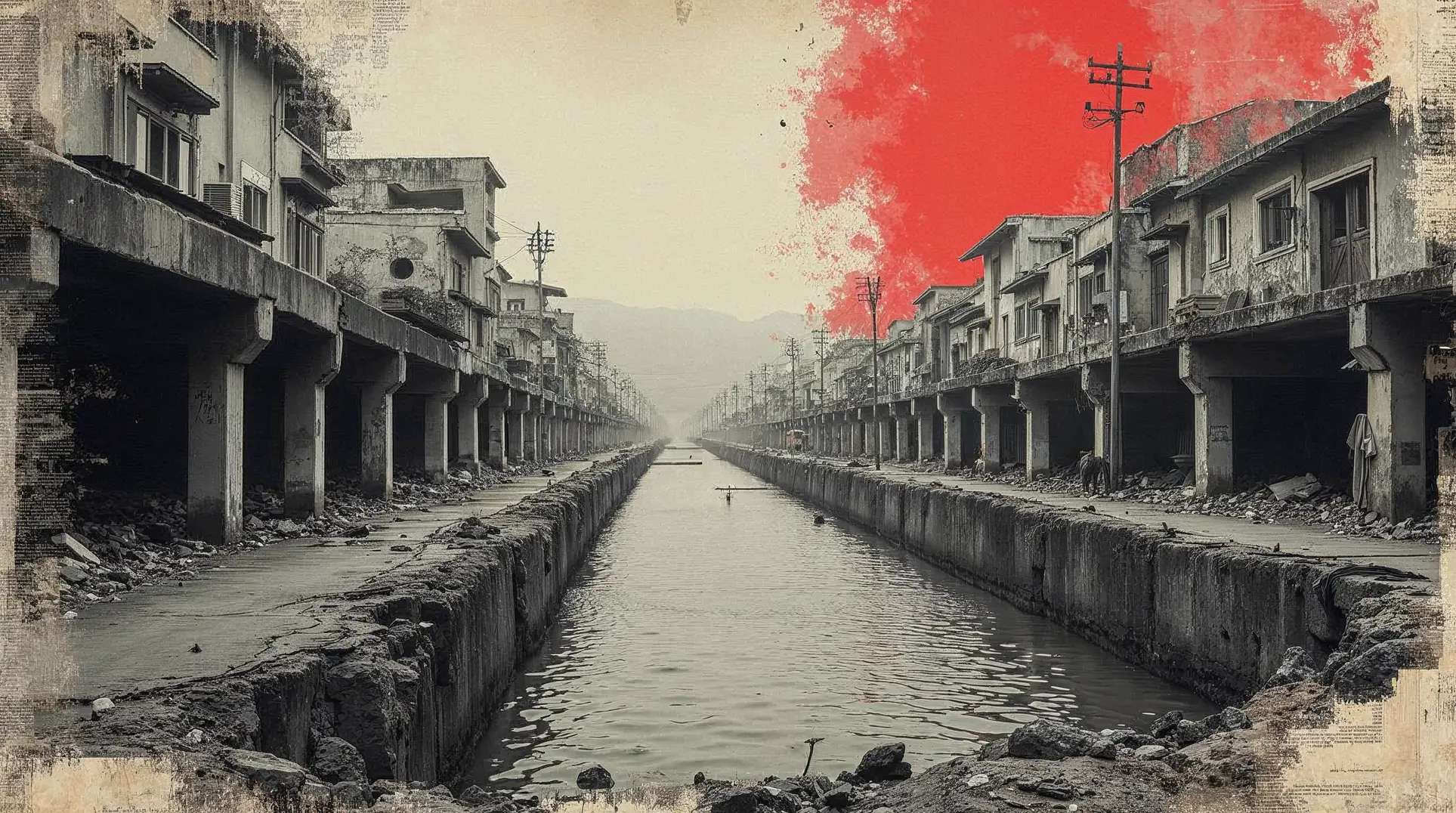
Members are reading: Analysis of why "unprecedented" flooding occurred in a typhoon-prone nation and preparedness system failures revealed.
Regional threat continues beyond Philippines
After exiting Philippine territory, Kalmaegi intensified rapidly over the South China Sea, reaching Category 4 typhoon-equivalent strength before threatening central Vietnam. Vietnamese authorities are bracing for impact in coastal regions still recovering from recent severe flooding that had already displaced communities and damaged infrastructure.
The storm's progression toward Vietnam creates a cascading regional disaster scenario where multiple countries face major impacts from a single weather system. Vietnam's preparation time allows for some advance warning, but communities weakened by previous flooding events face renewed threats. Thailand has also issued preparations for potential impacts as the storm system tracks westward.
Weather forecasters are simultaneously tracking another developing storm system, locally named Uwan, forming east of Mindanado in the southern Philippines. Early projections suggest Uwan could strengthen into typhoon-level intensity and potentially impact the Philippines again next week, creating the possibility of back-to-back major storms hitting a country still responding to Kalmaegi's devastation.
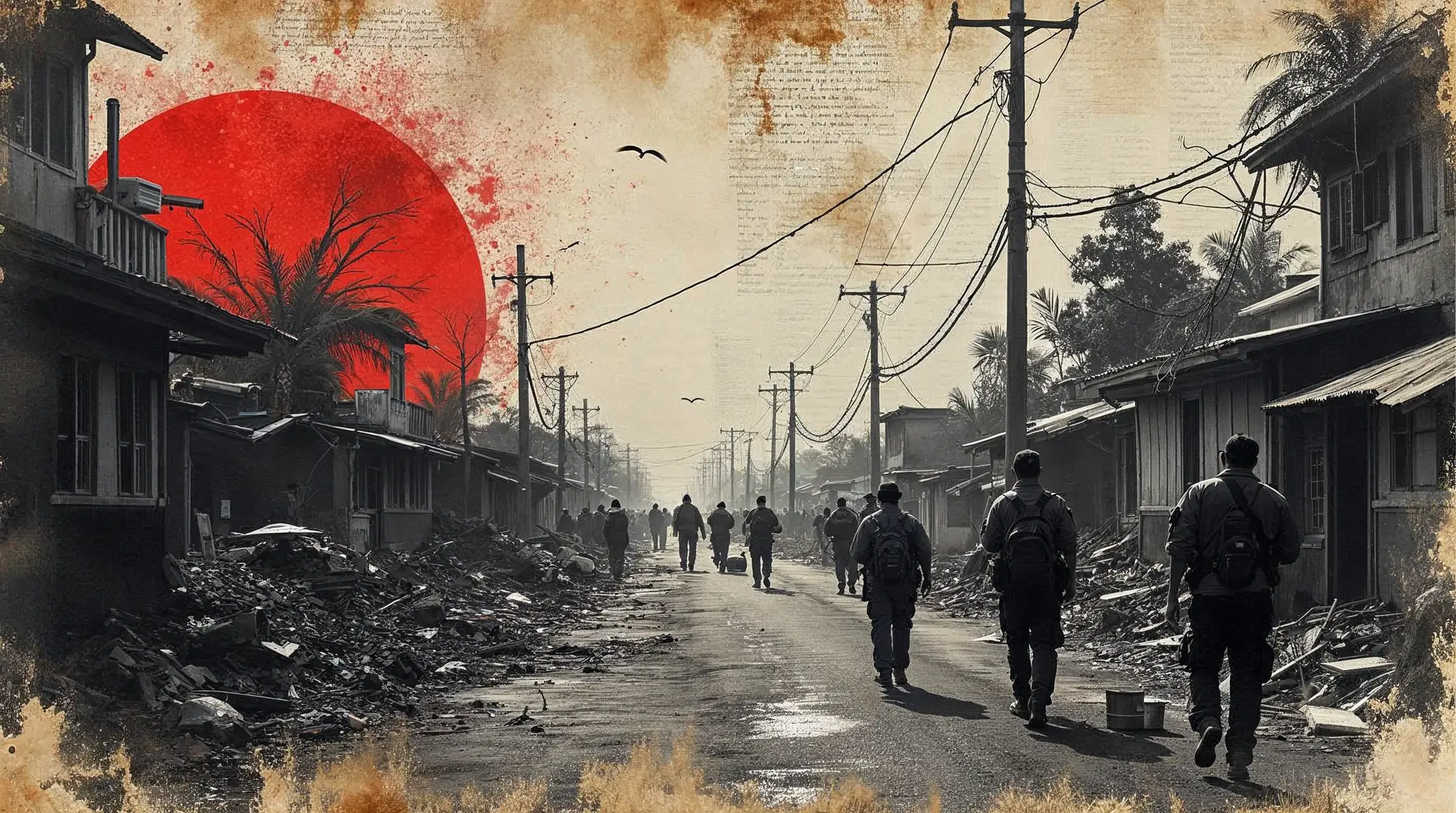
Members are reading: How sequential disasters overwhelm response capacity and why "unprecedented" events may represent new baseline conditions.
Ongoing response operations
Philippine disaster response agencies continue prioritizing immediate life-saving operations, including search and rescue missions for the 127 missing persons and emergency medical care for injured survivors. The national emergency declaration enables resource mobilization across government agencies and facilitates international assistance coordination.
Debris clearing operations represent a major logistical challenge before normal access can be restored to affected communities. Floodwaters deposited massive amounts of debris across roads, neighborhoods, and infrastructure, requiring heavy equipment and coordinated labor forces to remove. Until access routes are cleared, delivery of relief supplies and continuation of search operations faces significant obstacles.
The state of calamity declarations by Cebu province and Cebu City trigger specific legal authorities and funding mechanisms designed to accelerate rehabilitation efforts. These declarations enable local governments to reprogram budgets, expedite procurement procedures, and access dedicated disaster response funds without normal bureaucratic requirements that would delay urgent operations.
As immediate rescue operations transition toward recovery and reconstruction phases, the full scope of damage to housing, infrastructure, agriculture, and livelihoods will become clearer. The approximately 200,000 houses affected across the central Philippines represent a massive reconstruction challenge that will require sustained effort over months or years, depending on damage severity and available resources.
Implications for disaster risk reduction
The Kalmaegi disaster, coming just one month after the magnitude 6.9 earthquake in northern Cebu, demonstrates the compounding vulnerability of communities exposed to multiple natural hazard types. The Philippines' position along the Pacific Ring of Fire creates seismic risks, while its tropical location ensures regular typhoon exposure. When these hazards strike in rapid succession, they reveal gaps in disaster risk reduction strategies that focus on single hazard types rather than compound risk scenarios.
The characterization of flooding as "unprecedented" in areas with 35-year histories suggests either that infrastructure designed for historical conditions no longer provides adequate protection, or that development patterns have modified local hydrology in ways that increase flood risk. Urban expansion, deforestation, wetland conversion, and modification of natural drainage patterns can all amplify flood impacts beyond what historical rainfall patterns would suggest. If Kalmaegi's flooding resulted from land use changes rather than purely from storm intensity, it indicates that disaster risk reduction requires integrating land use planning with hazard mitigation.
The potential for Typhoon Uwan to impact the Philippines within days of Kalmaegi highlights the need for disaster preparedness systems designed to handle sequential events rather than isolated incidents. Traditional disaster response models assume time for recovery between major events; when that assumption breaks down, response capacity faces severe strain. Building resilience against compound and cascading disasters requires different approaches than preparing for single events, including maintaining surge capacity, establishing strategic reserves, and developing protocols for prioritizing response when resources cannot address all needs simultaneously.
As climate science increasingly projects changes in tropical cyclone intensity and precipitation patterns, the Philippines and other typhoon-prone nations face fundamental questions about whether existing infrastructure and preparedness systems remain adequate for emerging risk profiles. When "unprecedented" events become recurring, it signals that baseline assumptions require revision and that adaptation strategies must anticipate conditions beyond historical experience rather than simply preparing for past disasters to repeat.
Subscribe to our free newsletter to unlock direct links to all sources used in this article.
We believe you deserve to verify everything we write. That's why we meticulously document every source.


