


The death of a former opposition governor demands forensic scrutiny—not more military escalation
On December 6, 2025, Alfredo Díaz, former governor of Nueva Esparta and veteran opposition leader, died in state custody at Venezuela's El Helicoide detention center. The Ministry of Penitentiary Services reported that Díaz exhibited symptoms of myocardial infarction at approximately 6:33 a.m. and was transferred to University Clinical Hospital, where he died shortly after admission. He had been detained by SEBIN, Venezuela's intelligence service, for over a year—held incommunicado for much of that period on charges of incitement to hatred, financing terrorism, and criminal association. Within hours, Venezuelan civil-society groups, opposition leaders, and international human-rights organizations demanded an independent, transparent investigation under the UN Minnesota Protocol for potentially unlawful deaths in custody.
Díaz's death is not an isolated medical event. According to opposition leader and Nobel laureate María Corina Machado, he is the seventh political prisoner to die in state custody since July 28, 2024—the date of disputed presidential elections that ignited the current repression cycle. His case exemplifies a documented pattern: arbitrary detention, denial of due process, incommunicado isolation, and lack of medical care in a prison system where Human Rights Watch, Amnesty International, and the UN Fact-Finding Mission have catalogued torture, enforced disappearance, and conditions that may amount to crimes against humanity. The question now is whether international pressure will prioritize accountability and transparency—or whether the U.S. military buildup in the Caribbean will overshadow the forensic obligations owed to Díaz, to the hundreds still detained, and to the families demanding answers.
Incommunicado detention and the denial of care
Alfredo Díaz was detained on November 24, 2024, after SEBIN agents removed him from a bus bound for Colombia. Over the next year, according to Human Rights Watch, he was denied access to visitors and phone calls. Foro Penal director Alfredo Romero stated that Díaz received only one family visit—from his daughter—during his entire detention. Lawyer Gonzalo Himiob, citing the Minnesota Protocol, emphasized that any death in state custody triggers an obligation for an impartial, thorough investigation with full access to medical and judicial records. Yet Venezuela's track record suggests such transparency is unlikely without sustained external pressure.
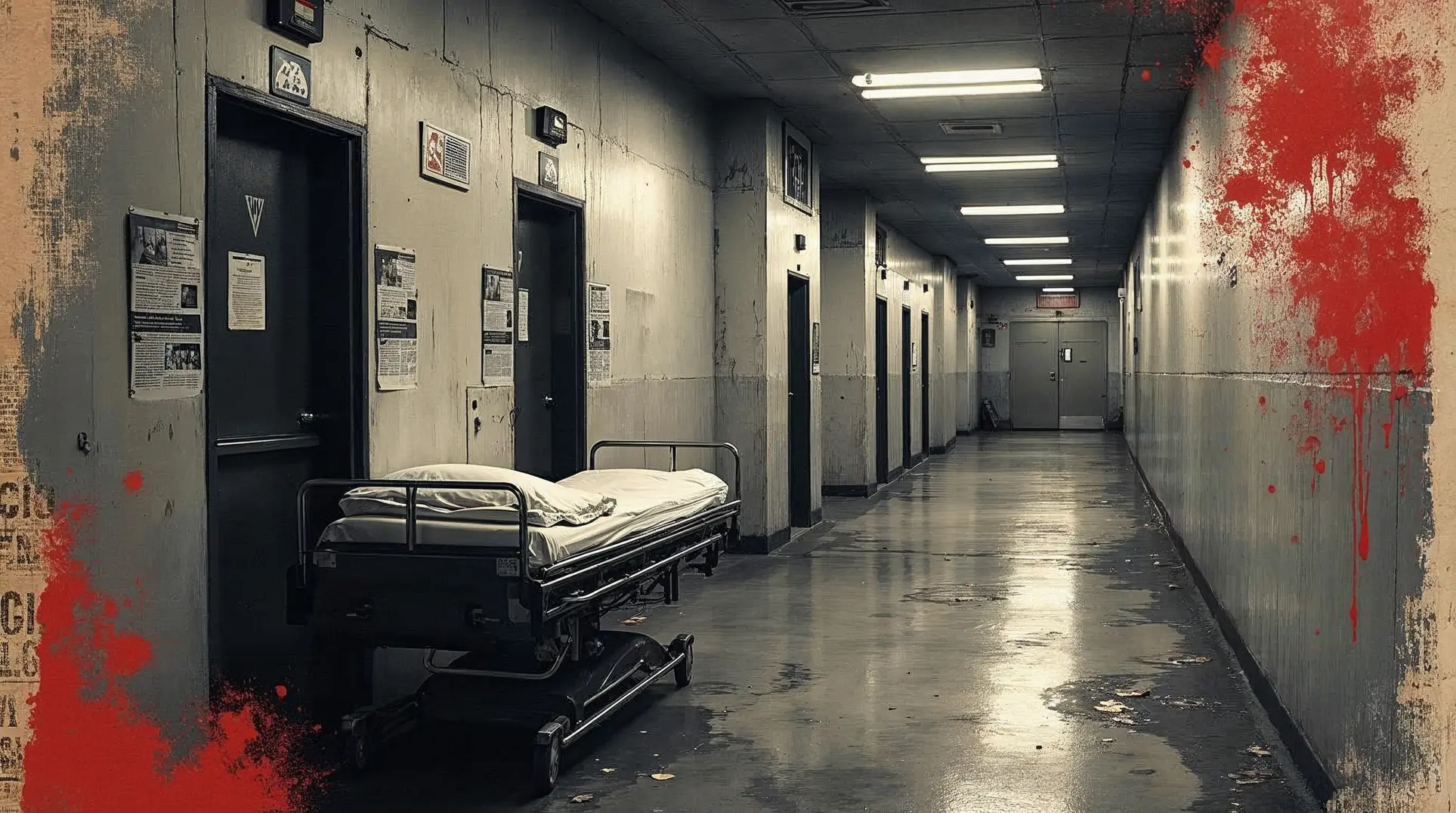
El Helicoide, the emblematic SEBIN facility where Díaz was held, has been repeatedly flagged by international monitors. Amnesty International's 2024 Venezuela report documents incommunicado detention regimes, beatings, suffocation, electric shocks, and denial of medical attention. The UN Fact-Finding Mission's March 2025 update concluded that persecution on political grounds continues and may constitute crimes against humanity, urging unconditional releases and timely medical care. The Venezuelan Observatory of Prisons has documented severe overcrowding, water shortages, and healthcare collapse across the system. In this context, a myocardial infarction in a detainee denied medical monitoring for months is not a natural death—it is a foreseeable outcome of deliberate neglect.
The scale of repression underscores the pattern. Following the July 2024 elections—disputed after authorities refused to release precinct-level tally sheets—security forces launched "Operación Tun Tun," a nationwide crackdown that saw over 2,000 arrests by October 2024, according to Amnesty. Human Rights Watch reported 853 political prisoners still in custody as of July 21, 2025, many held without trial or access to legal counsel. The Fact-Finding Mission documented at least 42 arrests between September and December 2024, and 84 in the first fifteen days of January 2025 alone. Children have been detained; families often receive no information about loved ones' whereabouts or conditions. Díaz's death is the visible tip of a systemic crisis of arbitrary detention and enforced disappearance.
Members are reading: How U.S. military escalation risks undermining the forensic accountability mechanisms needed to prevent the next death in custody.
The measure of response: preventing the next death
Alfredo Díaz's family, his party Acción Democrática, and civil-society organizations have demanded concrete steps: independent autopsy, full disclosure of medical and detention records, and access for families and legal counsel to all political prisoners. These are not symbolic requests. They are the baseline standards set by the Minnesota Protocol and reinforced by the UN Fact-Finding Mission's findings. The March 2025 update from the Fact-Finding Mission urged unconditional releases and timely medical care, noting that persecution on political grounds continues and may constitute crimes against humanity. Amnesty International's 2024 report called for resumption of ICC preliminary examination processes and targeted sanctions against officials responsible for documented abuses.
The international community now faces a choice. It can prioritize forensic accountability—supporting independent investigations, pressing for detainee access, backing ICC and UN mechanisms—or it can allow the militarization of the Venezuela crisis to eclipse the legal and humanitarian obligations owed to Díaz and the hundreds still detained. The stakes are immediate. Every day without medical monitoring, without family contact, without due process, is another day of foreseeable harm. The measure of any international response is whether it reduces the likelihood of the next avoidable death, or whether it simply adds noise to a crisis defined by silence and denial.
Subscribe to our free newsletter to unlock direct links to all sources used in this article.
We believe you deserve to verify everything we write. That's why we meticulously document every source.


