


The explosion that tore through Gambarou Jumu'at Mosque during Maghrib prayers on Wednesday evening did more than shatter the walls of a sacred space in Maiduguri. It obliterated the Nigerian government's carefully constructed narrative that the insurgency plaguing the northeast for nearly two decades is under control. When worshippers cannot safely gather for evening prayers in the capital of Borno state—the administrative heart of the counter-insurgency effort—the question is no longer whether the state is winning this war, but whether it ever understood what victory would require.
This was not a random act of violence. Attacking a mosque during prayers represents a calculated choice to inflict maximum civilian casualties and psychological trauma. For the people of Maiduguri, a city that has endured nearly twenty years of siege, bombardment, and terror at the hands of Boko Haram and its offshoot Islamic State West Africa Province (ISWAP), the message is chilling: even here, in the supposed stronghold of state power, no space is sacred, no moment is safe. The state cannot protect you.
The return of a brutal signature
What makes this attack particularly significant is its tactical profile. While no group has immediately claimed responsibility, the targeting of civilian worshippers in a mosque bears the unmistakable signature of Jama'atu Ahlis Sunna Lidda'awati wal-Jihad (JAS)—the faction of Boko Haram that historically embraced indiscriminate violence against civilians as a core strategy. This stands in contrast to ISWAP, which has generally focused on military and government targets in an effort to build legitimacy and territorial control.
The resurgence of suicide bombings in 2025 marks a troubling return to tactics that characterized the insurgency's most devastating period. After a relative lull, these attacks represent more than just operational capability—they signal a strategic choice to pursue terror over territorial control, civilian trauma over military confrontation. If JAS is indeed responsible, this could indicate either desperation from a weakened faction seeking to reassert relevance, or a calculated escalation designed to demonstrate that the group remains a potent force despite years of military pressure.
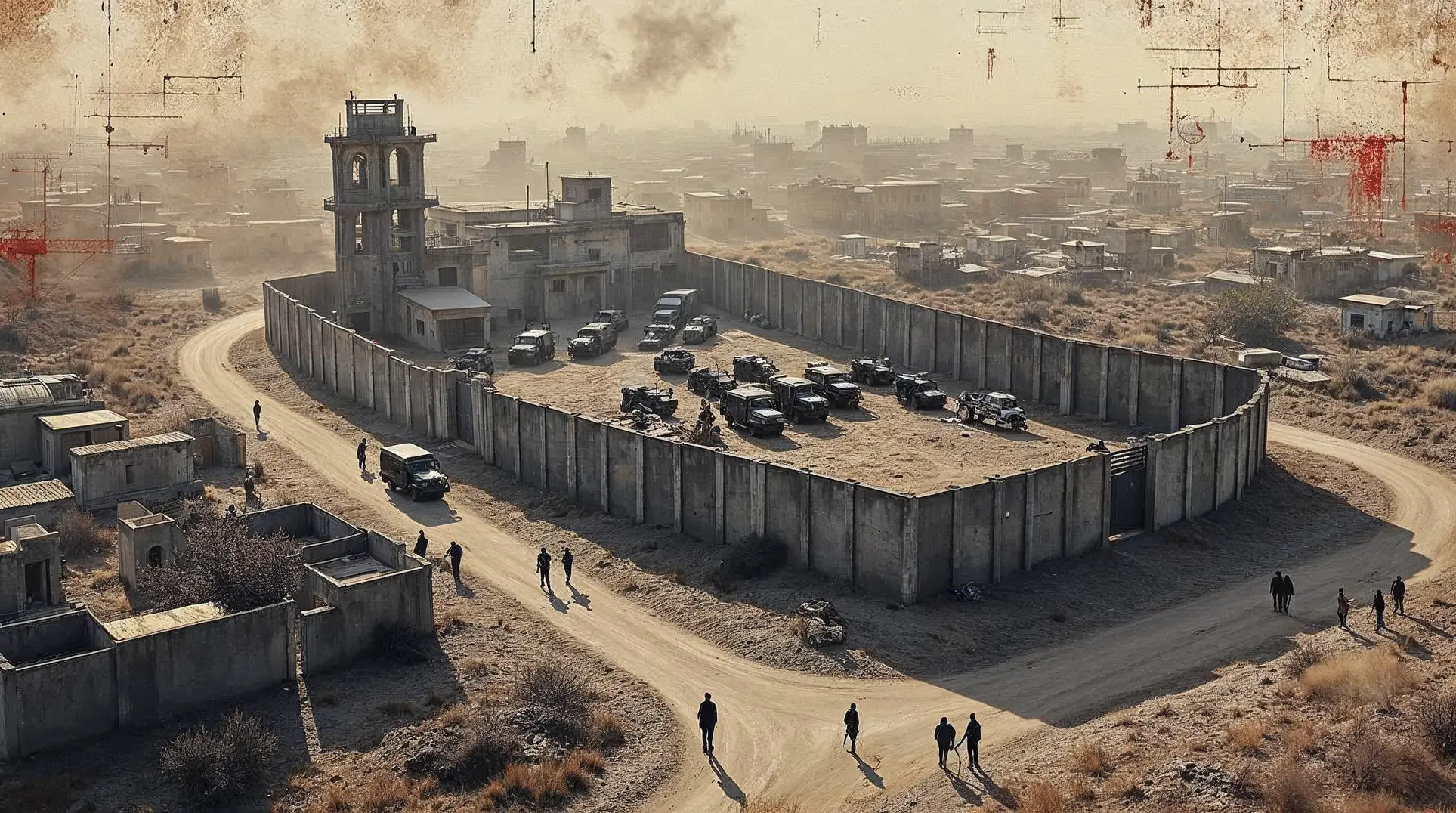
Members are reading: Why Nigeria's military strategy is structurally incapable of preventing attacks like Wednesday's mosque bombing, and what the factional dynamics reveal about the insurgency's evolution.
The price of narrative over reality
For the residents of Maiduguri, official pronouncements of victory offer no comfort when the sound of explosions still punctuates evening prayers. Nearly two decades into this conflict, tens of thousands dead and millions displaced, the Nigerian state continues to confuse military activity with strategic success, public relations with policy.
The attack on Gambarou Jumu'at Mosque should force a fundamental reckoning. Until Nigeria addresses the governance failures, economic desperation, and ideological fervor that sustain the insurgency—and until it develops security structures capable of protecting civilians rather than merely projecting force—the cycle will continue. Mosques will remain vulnerable. Evening prayers will remain dangerous. And the gap between the government's narrative and the people's reality will continue to widen, measured in bodies and shattered sanctuaries.
Subscribe to our free newsletter to unlock direct links to all sources used in this article.
We believe you deserve to verify everything we write. That's why we meticulously document every source.


